Local Kid Starts Small Business to Save up for a Car
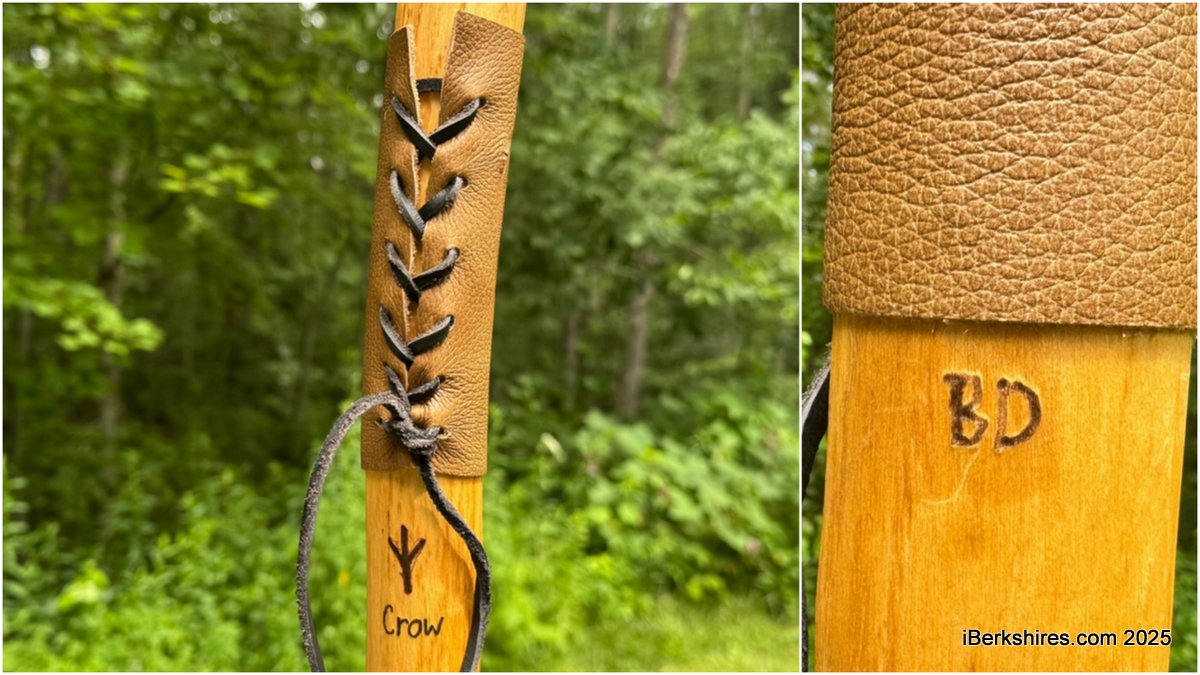
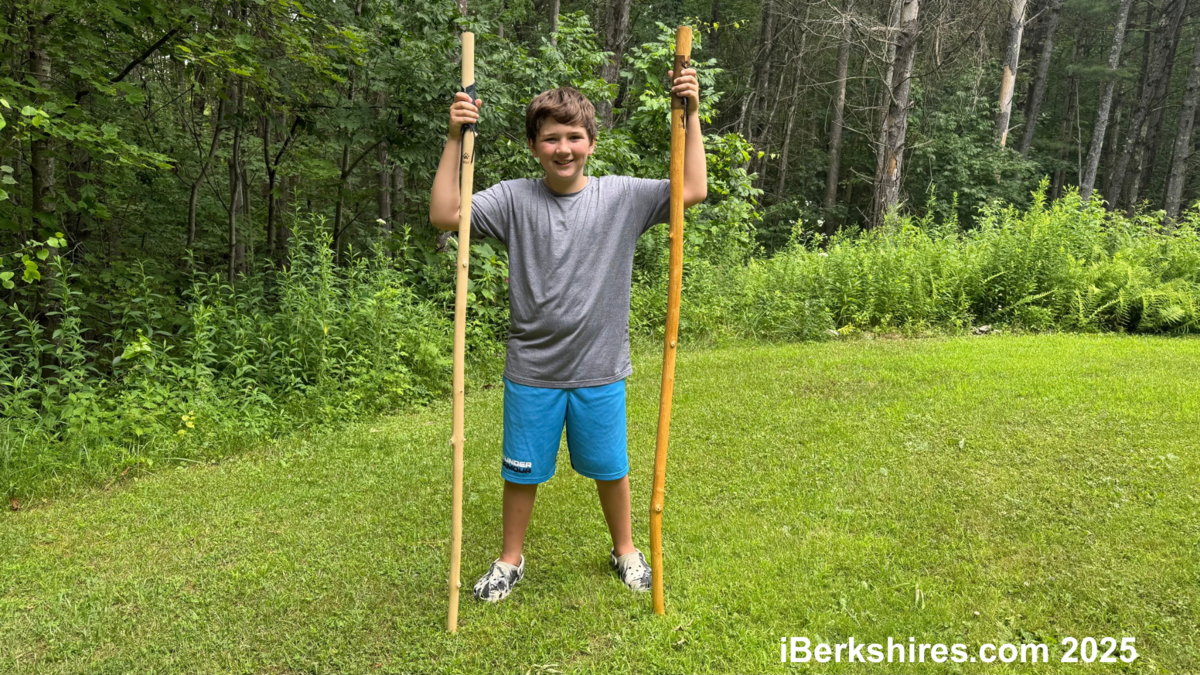
The walking sticks get a leather handle, the footprint of an animal and Bradley's initials.
Bradley DeZess, 12, is making walking sticks this summer with the goal of saving enough money over the next four years to buy his first car.
"I feel like reaching a goal is way better than having a goal reach for yourself," he said. "So I thought, well, with this excess money, I can just buy myself a car when I turn 16."
He's received 37 orders since he started taking them on July 12.
"It feels great, it feels like I am owning my own little business," he said.
Bradley made his first walking sticks last year when he and his grandmother were clearing his back yard to make a fort. He said some of the trees they picked up had "cool stuff" under the bark.
"A piece of bark popped up. So we just peeled it down, and then it revealed, like that, pretty cool, looking wood," he said.
Since they were being cleared, he thought they could be used for something good.
"If we're trying to clear up for four-wheelers and stuff, these trees are already going to get chopped down, so, like, put them to full use, you know," he said.
His grandmother, Anne Langlais, let him sell them at her shop The Jewelers Box in Lee, where people can still buy some.
One of his customers from the store added a leather handle and it gave him the idea to customize the sticks more.
"We started to add that on and then got the finished product," Bradley said. "And then my Nana also offered that we could do the wood burning. So we printed out some of those prints, and then started wood burning."
Bradley adds an animal footprint and the name of the animal. He will also do custom sticks by adding pet's or other names.
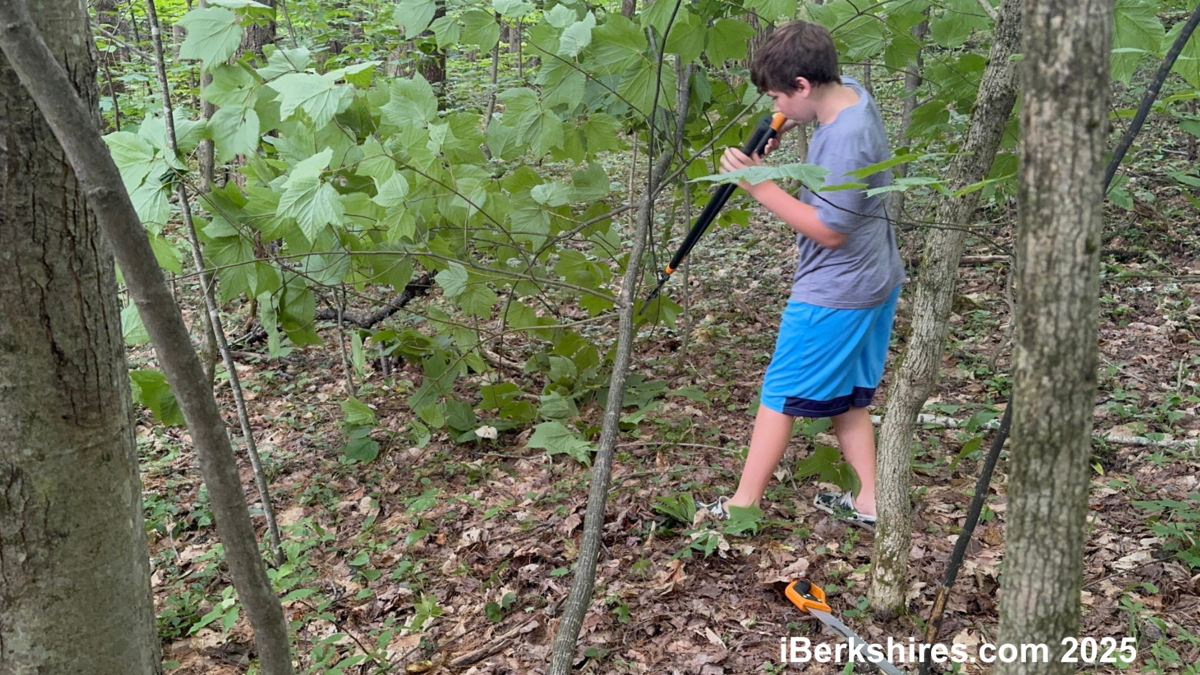
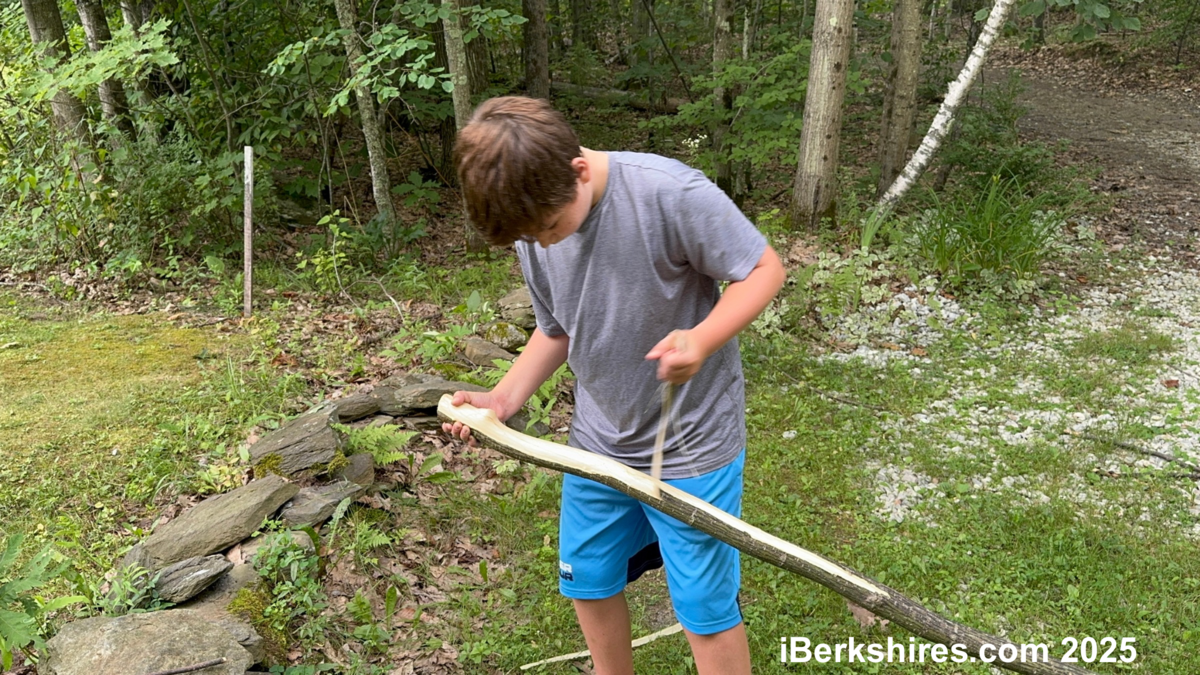
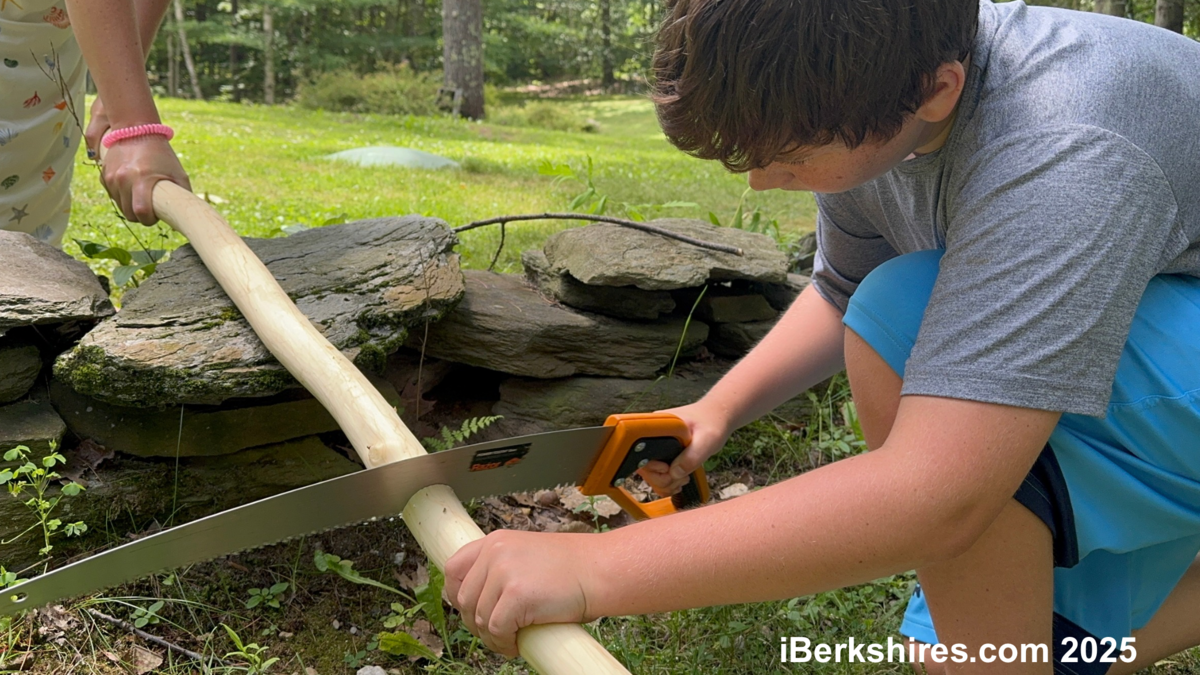
Bradley does all of the work himself. He finds the right size tree, cuts it down, satisfyingly peels the bark off and lets it dry. Once dried, he laces a leather handle on and burns a marking into it. This process takes him about five days. He then delivers the stick to the customer and shortens it to make it a more comfortable height based on how tall they are.
Bradley's mother, Sarah DeZess, said Bradley and his little sister Julia wanted to start earning their own money instead of just through chores after seeing their older sister get a part-time job. Julia decided to sell lemonade and baked goods to earn money for a Kindle and Bradley settled on the walking sticks.
He has earned almost $900 since starting. The sticks are $25 each and can be ordered by messaging Sarah DeZess through Facebook.
Tags: entrepreneurs, walking,