Ellen Kennedy Reflects on Past, Future of BCC Before Retirement
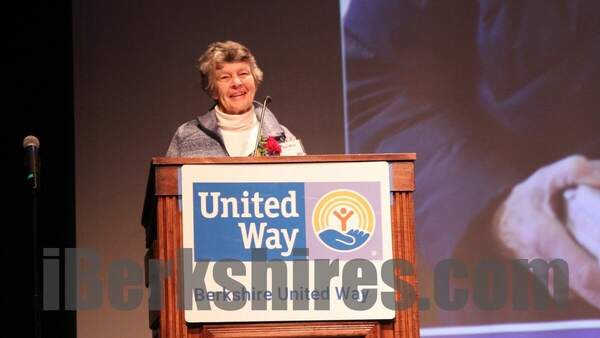
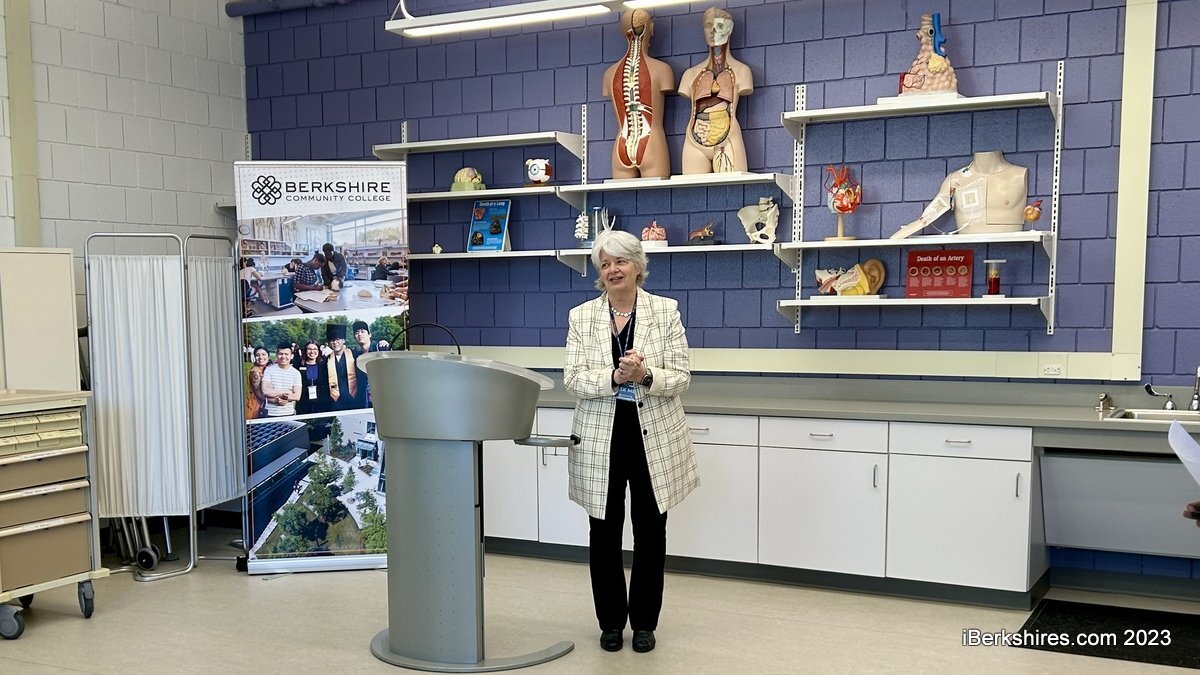
PITTSFIELD, Mass. — President Ellen Kennedy feels Berkshire Community College is in a good place to welcome new leadership.
She will retire at the end of the school year after more than 17 years with the college, 14 as president, and looks back on the students, faculty, and campus as a whole with pride.
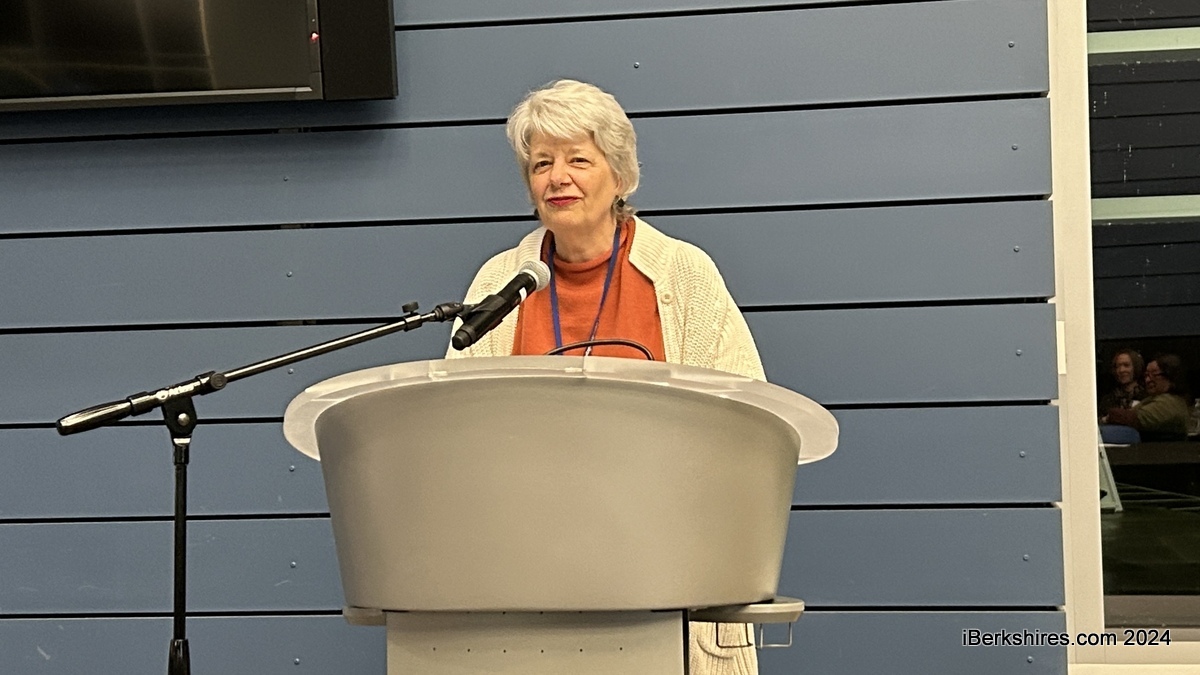
"Our faculty is extraordinary. Our administrators and staff are just exceptional. Our students are so special, so committed to their own learning and their own growth as people and in pursuit of their own goals, it's just really exciting," she said recently.
"We have an excellent board of trustees. We have an excellent foundation. I mean, we're just in such a good place right now, and I feel like it's the right moment."
Kennedy praised the climate and culture BCC has worked to create, explaining, "I think I love the way we are able to empower people to bring their good ideas forward and then to see them be put in place."
Earlier this year, BCC was designated as a Leader College by Achieving the Dream, a national non-profit focused on student success and community economic mobility.
The college's enrollment is up 20 percent this year, and Kennedy said the state's tuition coverage for all 15 community colleges has been a game-changer for Berkshire County. BCC's nursing program has also doubled in size.
"And that took everyone's commitment. It's not just me," she said about the nursing program's expansion over the years, underscoring the work of department leaders.
"It was the ability of people to take risks and do things that they weren't quite sure might work out and we would just learn. When it didn't work out, we learned."
Kennedy pointed out that the college will start working on its next strategic plan for 2027 and will soon write its 10-year self-study for the New England Commission of Higher Education. As a former six-year member of the commission, she recalled when new presidents would have to defend the work of a previous president.
"I just felt like it would be important, and it was an excellent opportunity for the next president to really dive deeply into those processes and to work with the campus and partner and collaborate and dream about what comes next," she said.
"And those will both be very critical, but I know there will be fruitful conversations, and will just continue the growth of the college and move it to its next place. Move it forward."
Kennedy is the college's second-longest serving president. She was tapped to lead the state's first community college on the departure of Paul Raverta, who was interim and president for seven years. She was the school's vice president of administration and finance and chief financial officer prior to being picked as interim president, then was selected by the trustees from 38 applicants to continue in the role.
The board of trustees will lead a search for the new president.
"I just know this place, this college, will attract really excellent candidates, because it's just a really special place, frankly," Kennedy said.
"So I'm not at all worried about what comes next."
Tags: BCC, retirement,