'AV Club' Brings Immersive Visuals, Dance Party to the Adams Theater
Print Story | Email Story
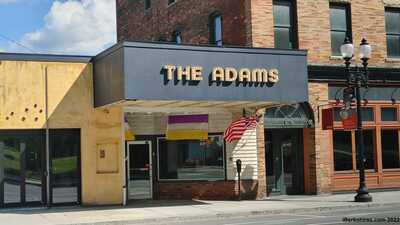
ADAMS, Mass. — Artists Joe Wheaton and musician Geoffrey Carter are collaborating at the Adams Theater this Halloween for a multisensory electronic dance experience, "AV Club," with visuals and DJs Glass Arrowhead, Jason Manatee, H2GO, and TruSounds. 
 
The show will take place from 8pm-midnight on Oct. 31, with 20 percent of profits going to the ACLU. Tickets are $35 at the door; get tickets for $25 in advance at adamstheater.org/events
 
Snacks and bar drinks will be available. Costumes are optional. 
 
Wheaton is an artist who has lived in the Berkshires for decades and has done lots of visual installations for years, many at the Adams Theater (he’s also a board member). Carter is a musician and producer who grew up in the Berkshires and runs BeatNest, a popular local program that introduces kids in the Berkshires to electronic music.
 
Weaton will work from inside a giant birdcage as he runs his visual installation, which will combine disparate footage of costumed humans "from Burning Man to ethnic tribal people of Burma" to create a surreal feeling against dance music, niche hip hop, and drum and bass. 
 
The Adams Theater participates in Mass Cultural Council's Card to Culture program, in collaboration with the Department of Transitional Assistance, the Women, Infants & Children Nutrition Program, and the Mass Health Connector.
 
EBT, WIC, and ConnectorCare cardholders receive free admission to our shows and events by presenting their cards at our Box Office. See the complete list of participating organizations offering EBT, WIC, and ConnectorCare discounts.
If you would like to contribute information on this article, contact us at info@iberkshires.com.

Letter: Progress Means Moving on Paper Mill Cleanup

Letter to the Editor

To the Editor:

Our town is facing a clear choice: move a long-abandoned industrial site toward cleanup and productive use or allow it to remain a deteriorating symbol of inaction.

The Community Development team has applied for a $4 million EPA grant to remediate the former Curtis Mill property, a site that has sat idle for more than two decades. The purpose of this funding is straightforward: address environmental concerns and prepare the property for safe commercial redevelopment that can contribute to our tax base and economic vitality.

Yet opposition has emerged based on arguments that miss the point of what this project is designed to do. We are hearing that basement vats should be preserved, that demolition might create dust, and that the plan is somehow "unimaginative" because it prioritizes cleanup and feasibility over wishful reuse of a contaminated, aging structure.

These objections ignore both the environmental realities of the site and the strict federal requirements tied to this grant funding. Given the condition of most of the site's existing buildings, our engineering firm determined it was not cost-effective to renovate. Without cleanup, no private interest will risk investment in this site now or in the future.

This is not a blank check renovation project. It is an environmental remediation effort governed by safety standards, engineering assessments, and financial constraints. Adding speculative preservation ideas or delaying action risks derailing the very funding that makes cleanup possible in the first place. Without this grant, the likely outcome is not a charming restoration, it is continued vacancy, ongoing deterioration, and zero economic benefit.

For more than 20 years, the property has remained unused. Now, when real funding is within reach to finally address the problem, we should be rallying behind a practical path forward not creating obstacles based on narrow or unrealistic preferences.

I encourage residents to review the proposal materials and understand what is truly at stake. The Adams Board of Selectmen and Community Development staff have done the hard work to put our town in position for this opportunity. That effort deserves support.

Progress sometimes requires letting go of what a building used to be so that the community can gain what it needs to become.

View Full Story

More Adams Stories