Pittsfield Council OKs Mobile Home Language Change for Lake Onota Village Association
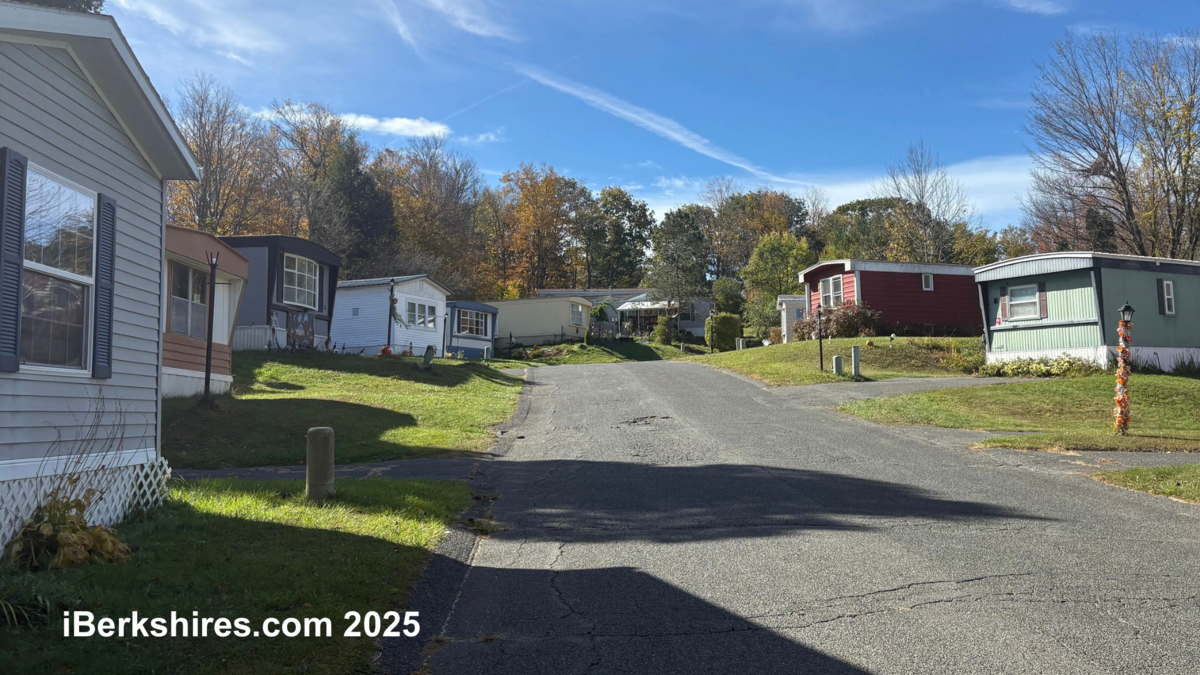
PITTSFIELD, Mass. — The Lake Onota Village Association asked the City Council to change the City Code to exclude owner-occupied parks from the city's rent control.
Last Tuesday, the council said, "yes," and commended the mobile home park residents for buying their community and being self-governed.
The residents banded together to buy the property earlier this year and, in September, voted to purchase it for $5.5 million. Board members of the association have to abide by rent regulations from the state after receiving a $2 million grant.
"If we want to keep the $2 million and not have any issues with the state, we are going to have to stay within 30 percent of the area's two-bedroom average rental unit cost. So a two-bedroom apartment in Pittsfield, 30 percent of that is $530 a month," said member Michael Hubbard. "We are proposing a rent of $522 a month. So we are under the requirement. The state is not going to allow us to raise the rent any more than 5 percent per year, which I think is way more than we would ever consider."
He spoke about how the association is a nonprofit and will not take any profit from the rent.
"We're a nonprofit corporation. Nobody collects a salary, and we will be voting every year annually on what the rent will be, and the rent may go up, the rent may go down, depending on what our expenses are in that particular year," he said. "So we will have to abide by the state's requirements. We will have to abide by the vote of the members, the owners of the property, and until today, also abide by your rent control board."
He also asked the definition of a mobile home park be changed to include the language excluding any park that is owned or operated by a corporation or association whose shareholders or members constitute 66 percent or more of the households in the community.
The Ordinance & Rules subcommittee had recommended the changes at its September meeting.
"We're just changing the definition for the sake of people who own their own mobile home park so that they don't have to go through control board, just like if you had a condo association or an HOA, or if a bunch of people decided to turn their their apartment building into a co-op, we wouldn't step in on their behalf, because they should be able to set their own destiny," said Councilor at Large Alisa Costa, who had presented the petition on behalf of the association.
Ward 1 Councilor Kenneth Warren also weighed in on support for the association.
"They don't need protection from themselves. They're organized. They've actually done a hell of a job to be able to get if I recall, right from the ordinance rules meeting, you guys got $6 million worth of funding, and you talked about the $2 million grant. I mean, that's amazing to put that together," he said. "We're looking at doing different projects, and sometimes we can't find the funding. So you guys know what you want to do. You guys are self-governed. There was some concern that maybe taking you out might not be legal. It's definitely legal, and I commend you on it, and I will definitely support it."
The City Council approved to change the language for the association to be able to control its rent and not have to go through the Mobile Home Rent Control Board.
Tags: mobile home park, rent control,