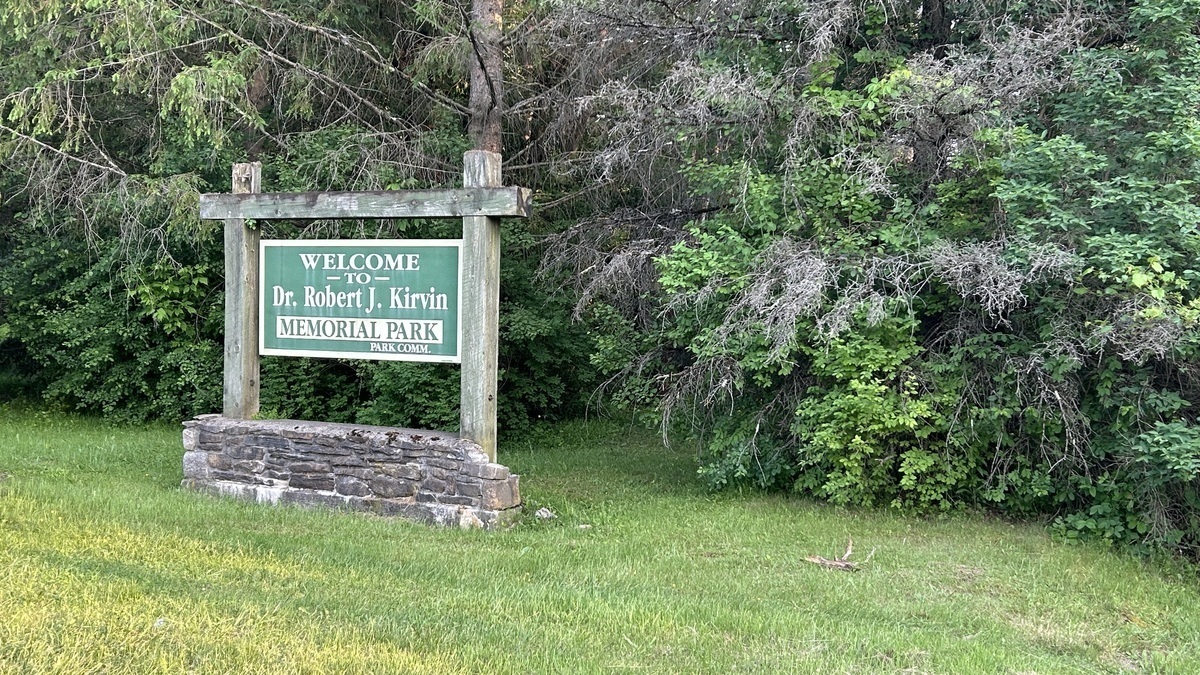
Pittsfield's Kirvin Park Ecological Restoration Staged for Spring
PITTSFIELD, Mass. — A timeline has been laid out for Kirvin Memorial Park's floodplain and habitat restoration that begins early next year with the selection of a contractor.
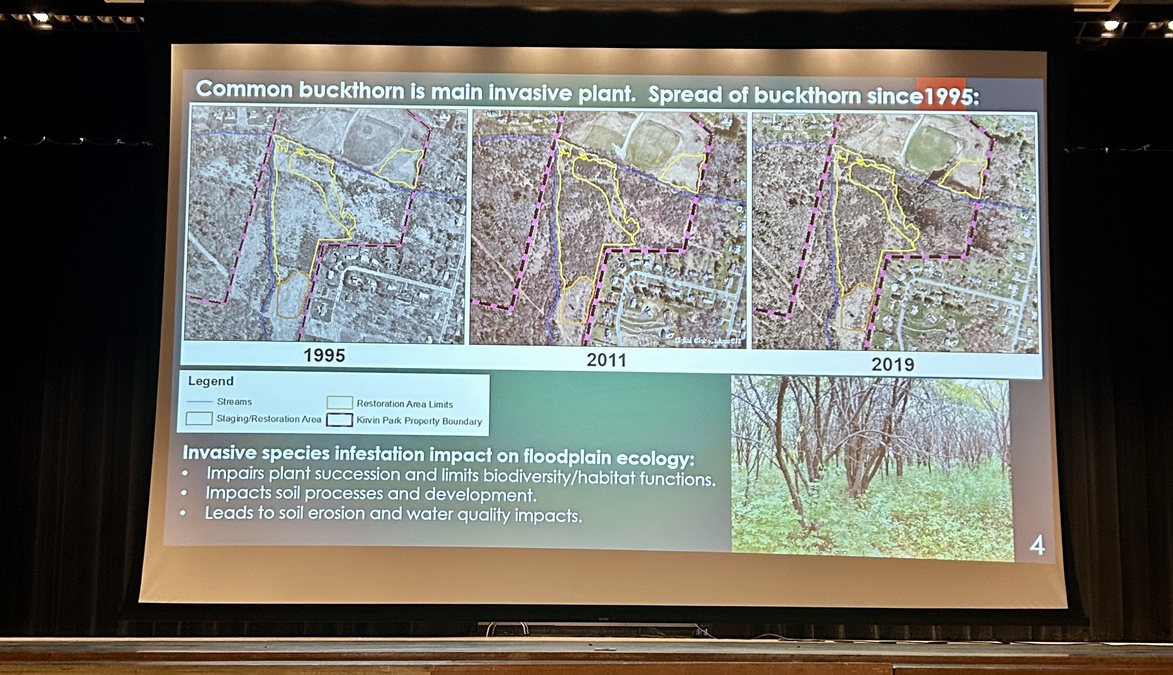
Main restoration work is planned to run from April to September 2026. Dennis Lowry, wetland ecologist with AECOM, updated the Conservation Commission on the project last week.
"Obviously, an important part of it is to maintain uses in the park by the public. While this work is ongoing, we don't anticipate any adverse impacts. This is the area where everybody walks their dogs," he explained.
"We will be maintaining the trail access that runs down from the existing bridge along Ashley Brook, so people will continue to, even during the work, be able to access that trail for getting to the southern part of Kirvin Park."
The city, in collaboration with the Housatonic River Natural Resources Trustees and General Electric Co., is working to enhance the natural resources of the Housatonic River Watershed. This project improves about 17 acres in the floodplain of Sackett and Ashley brooks by removing invasive plant species, establishing native vegetation, and expanding wetland conditions.
The final restoration plan was submitted in July. A 2019 assessment by the trustees identified a portion of the 225-acre park as a preferred location for restoration and enhancement.
A product of the 2000s consent decree between the city, GE, and others, the 17 acres of work includes ten acres of floodplain restoration, three acres of wetland creation and enhancement, two acres of supplemental tree plantings, and two acres of pollinator habitat.
A wood turtle nesting habitat is also in the plans, with work beginning in November.
"We anticipate going in there and setting up a silt fence that will encircle the entire restoration area, and this is done after Nov. 1, because at that time, the wood turtles have moved out of the floodplain and they're hibernating in the brook, so that floodplain area where we need to do the work will be essentially isolated from wood turtles being able to use it next spring," Lowry explained.
"So you'll see that silt fence going up around the restoration area sometime later in November, is the anticipation."
Of the 88 plant species identified in the park, 15 invasive species were documented, and 90 percent of plant plots contained them. Common buckthorn has dominated the area, and will be removed with other invasive species, and the stumps treated with targeted herbicide.
"We see it in the Housatonic River flood plains a lot, but very rarely to this level of dominance, and it really has taken over the entire community there," Lowry said about the buckthorn forest.
After the invasive plants are removed, they will be chipped and brought off-site, and over a couple of years, the team will work to establish a cover crop in the area and transition it back into a floodplain community.
There will be more detailed planting in 2026 and 2027, followed by a five-year monitoring program.
"We're talking large numbers of plantings, because we're looking at 17 acres of area total, but there's probably 5,000 trees that are going to be planted," Lowry said.
"… I think it's somewhere over 7,000 shrubs that are going to be planted in this area, along with some vine species as well."
More information on the project and the final restoration plan can be found here.
Tags: invasive species, public parks,