Massachusetts Fire Deaths Drop by 12 Percent in 2025
STOW, Mass. — Massachusetts fire deaths in 2025 declined from a seven-year high in 2024, with more than 90 percent taking place in the victims' homes, State Fire Marshal Jon M. Davine said.
Excluding fatal motor vehicle collisions with an ensuing fire, Massachusetts recorded 44 fire deaths in 30 fires during 2025. That number is a decline from the 50 civilian fire deaths recorded in 2024 and on par with the five-year average of 44 per year from 2020-2024. One child – a 4-year-old North Adams girl – was lost to fire, down from three in 2024. Two dozen people aged 65 or older lost their lives in fires during 2025, making them nearly 55 percent of fatal fire victims but only about 17 percent of the population.
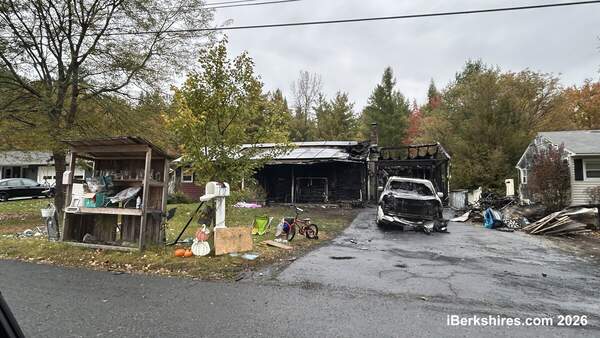
Single-family homes accounted for 14 deaths, followed by the devastating fire at Gabriel House Assisted Living in Fall River, which claimed 10 lives and represented the greatest loss of life to a single Massachusetts fire incident in decades. Nine people died in apartment or multifamily home fires, four people died in mobile home fires, and three people died in two-family homes.
The unsafe use or disposal of smoking materials was the known cause or a possible factor in 21 fire deaths in 2025, making it by far the most common factor and continuing a decades-long trend. Smoking is especially dangerous in the presence of medical oxygen – a fact pattern that investigators believe contributed to the Gabriel House fire. The Department of Fire Services last year updated its Home Oxygen Fire Safety brochure, which is offered on the DFS website and through the Massachusetts Health Promotion Clearinghouse in English, Spanish, and Portuguese.
Smoke alarm operation could be provisionally determined for 30 of the 40 residential fire deaths. Only 16 of these homes or units of origin had working smoke alarms. The alarms in the remainder were either not working or missing entirely.
"Sadly, the places we should feel safest – our homes – are the places where most people lose their lives to fire," said State Fire Marshal Davine. "Changes to building construction allow fires to grow and spread faster. Synthetic furnishings create deadly smoke and toxic gases as they burn. The US Fire Administration estimates that we have less time to escape a fire at home than ever before, so it's vital to have working smoke alarms to alert us to the danger before it's too late."
Four people perished in non-residential fire incidents. Three lost their lives in outdoor fires, including one who suffered fatal injuries while using illegal fireworks, and one was overcome by smoke and flames in his vehicle when the engine caught fire.
While fatal fires tend to be most likely in the winter months, the Gabriel House fire caused 10 of the 11 fire deaths in July. November was the second leading month with nine fatalities, followed by March and October, which accounted for four each. Fatal fires were distributed relatively evenly throughout the day, with spikes between 9:00 pm and 4:00 am.
Tags: state fire marshal,