Berkshire Real Estate Shows Mixed First Quarter
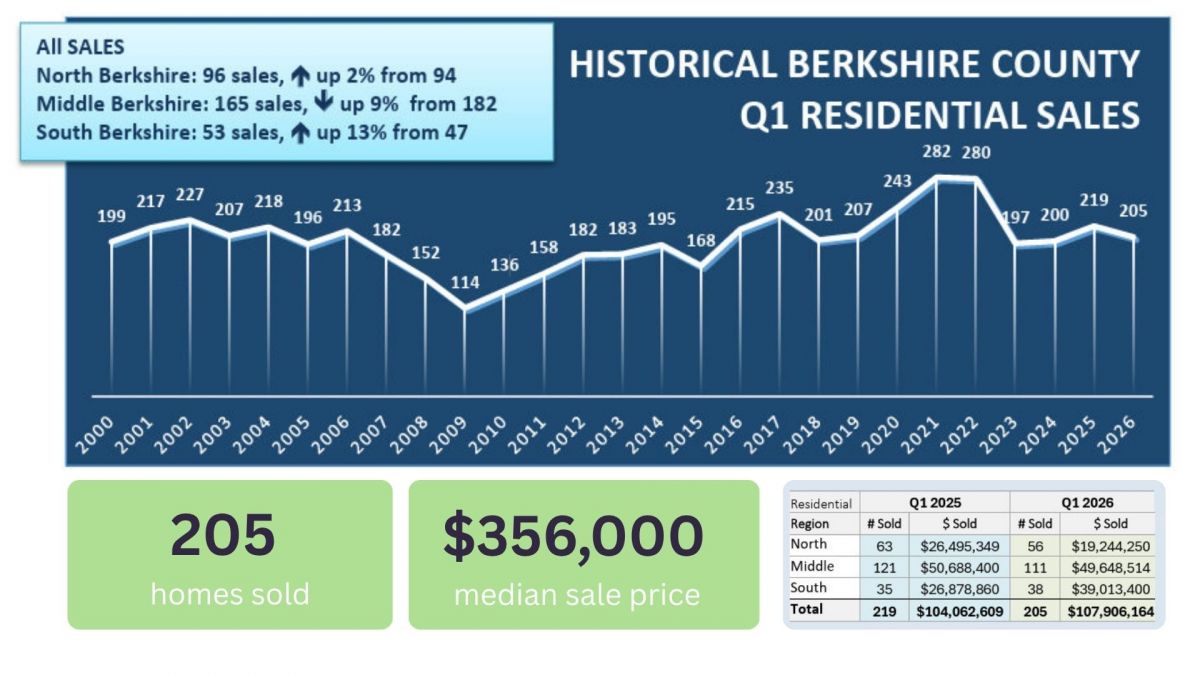
The first quarter of 2026 reinforced something we say often when discussing housing trends, especially in Berkshire County: all real estate is local.
While national headlines continue to focus on mortgage rates, inflation, and economic uncertainty, the reality on the ground here in Berkshire County is far more nuanced. Market conditions varied significantly by region, by town, and by property type during the first quarter, with some areas showing strong momentum while others softened.
Residential sales countywide declined modestly to start the year, with single-family home transactions down 6 percent compared to the first quarter of 2025. Despite fewer homes changing hands, dollar volume increased 4 percent, reflecting continued strength in pricing and demand at higher price points. The average residential sale price climbed to $526,372.
That said, the countywide numbers only tell part of the story.
This remains one of the defining characteristics of the Berkshire market today: broad regional averages matter less than they once did. Hyper-local conditions — sometimes down to the individual town or neighborhood — are shaping outcomes more than ever.
Other property categories saw similarly mixed results in the first quarter.
The condominium market softened overall, with sales down 6 percent and dollar volume falling 21 percent year over year. The countywide average condo sale price dropped to $411,315, though South County bucked the trend with a slight increase in activity and stronger pricing due to several higher-end transactions.
Multifamily properties were relatively stable but still inconsistent. Sales were only modestly behind last year, though Central Berkshire saw a notable pullback in transaction volume, while North County posted a stronger start to the year. South County multifamily sales lagged, with dollar volume falling from $11 million in the first quarter last year to $8.5 million this year.
Land sales showed some improvement, rising 23 percent over last year, but perspective is important. Even with that increase, only 27 parcels sold countywide in the first quarter — well below the levels seen during the peak land market of recent years. Total land sales volume came in at $3.6 million, continuing to reflect the broader challenges tied to growth and development in Berkshire County.
Commercial sales remain largely centered in Central Berkshire, where activity has continued to outperform the rest of the county. North County commercial sales, by comparison, were notably quiet to begin the year.
So what does all of this mean as we head deeper into 2026?
Historically, spring is when Berkshire County sees a significant increase in both listing activity and buyer demand. Inventory has started to improve modestly, giving buyers more choices than they had over the past several years. However, the broader economic picture remains uncertain. Mortgage rates are expected to remain relatively stable, but inflation concerns, consumer confidence, and ongoing global economic instability could influence buyer and seller behavior in the months ahead.
If those concerns intensify, less urgent buyers and sellers may choose to stay on the sidelines. If conditions stabilize, however, the Berkshires could see stronger activity as pent-up demand returns to the market.
What appears most likely is a continuation of the trend we have been watching develop for the past year: a more balanced, skill-driven market.
Homes are still selling. Buyers are still buying. But transactions are taking longer, negotiations are more detailed, and success increasingly depends on proper pricing, preparation, and expert guidance.
For consumers, the takeaway is simple: Berkshire County remains an active and healthy market — but it is no longer a market where broad assumptions apply evenly across the board. Whether you are buying or selling, understanding what is happening in your specific town, neighborhood, and price range matters more than ever. Hiring a knowledgeable professional Realtor is a key step!
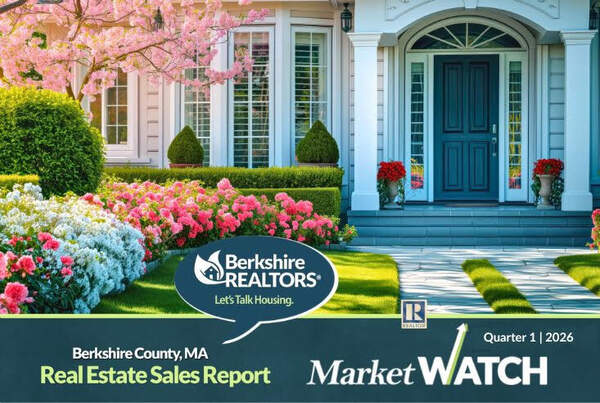
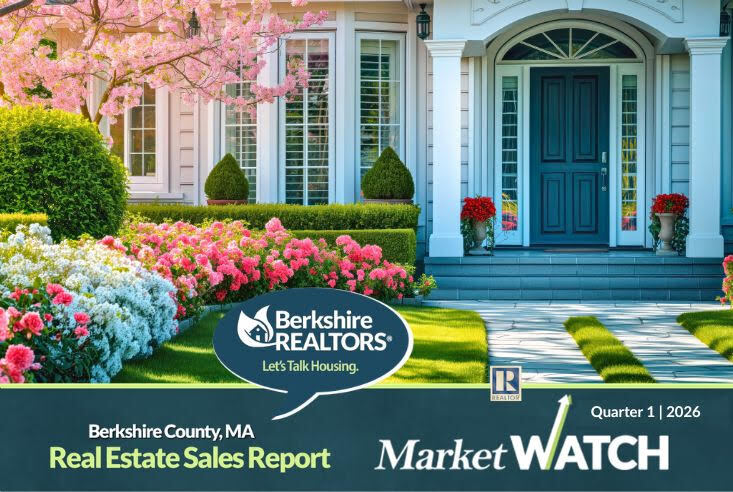
As always, we will continue to monitor conditions closely and provide updated insights as the year progresses. For a full report, please see Berkshire Realtors' Market Watch.
Sandy Carroll is CEO of the Berkshire County Board of Realtors.
Tags: Real Estate,