BEAT Discusses Possible Impacts of Constitution Pipeline
Print Story | Email Story
PITTSFIELD, Mass. — Berkshire Environmental Action Team (BEAT), Pipe Line Awareness Network for the Northeast (PLAN-E), and Stop the Con are inviting concerned citizens to partake in a discussion on the possible impacts of the Constitution Pipeline for New England.
 
Join Cathy Kristofferson of Pipe Line Awareness Network for the North East (PLAN-NE) and Rosemary Wessel of Berkshire Environmental Action Team (BEAT) for a presentation and discussion of the Constitution Pipeline’s potential impacts on the Northeast region.
 
According to a press release:
 
The rise in demand for data centers is likely the most prevalent driving force behind proposals to build and expand pipelines across the country. The Constitution Pipeline would transmit natural gas from the fracking fields of Pennsylvania to a major pipeline hub in Wright, New York, just west of Albany, where it would then be brought into New England. Pipeline expansion could spur the growth of data centers in New England, with proposals for new locations at a scale of up to six times the size of the current largest centers.
 
Learn about the market and political factors driving current gas transmission expansion and what the construction of Constitution Pipeline could mean to our local communities and the environment, and what you can do to stop it.
 
This presentation is part of a series of community events throughout the region impacted by the Constitution pipeline proposal.
 

Tags: BEAT,   
If you would like to contribute information on this article, contact us at info@iberkshires.com.

Healey Administration Visits Pittsfield to Talk Green Energy Siting

By Brittany PolitoiBerkshires Staff

PITTSFIELD, Mass.— Massachusetts energy officials visited Pittsfield to talk about clean energy infrastructure siting as the state works to cut greenhouse gas emissions. 

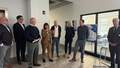
On Wednesday, Sept. 30, the Healey-Driscoll Administration hosted a listening session at the Berkshire Innovation Center.  Representatives from Berkshire communities and organizations heard about solar arrays, battery storage, and more.  

The 2024 clean energy bill aims for net-zero greenhouse gas emissions by 2050.  As part of it, municipalities must begin accepting single consolidated local permit applications for small clean energy projects this month. 

"We have new regulations coming into place, and just want to make sure we are hearing from people because we know it's not always easy. We have a lot of commitments on clean energy and climate that are really important, and they help us on our energy affordability, but we know there's also often tension with our land preservation values," Deputy Climate Chief Aladdine Joroff said. 

"We want to preserve rural character. We have to protect critical forests and ecosystems for habitat and water supply. We're thinking about how we balance those different goals." 

She explained that large clean energy systems, in addition to reducing greenhouse gas emissions, have public health benefits and are more affordable. 

Since 2008, more than 200,000 solar arrays have been installed statewide, surpassing a 4,500 megawatt milestone.  Roughly 98 percent of those installations are residential scale, sized between five and ten kilowatts, and solar is the second largest source of generation capacity in the state, as well as in New England. 

Undersecretary of Energy Michael Judge explained that solar has shifted peaks into the evening by reducing demand in the middle of the day, largely contributing to the retirement of some fossil fuel generation facilities and lowering wholesale energy prices.

View Full Story

More Pittsfield Stories