PHS Air and Water Quality Within Accepted Levels
PITTSFIELD, Mass.— Air and water quality testing at Pittsfield High School came back within acceptable levels, and the administration is open to additional testing.
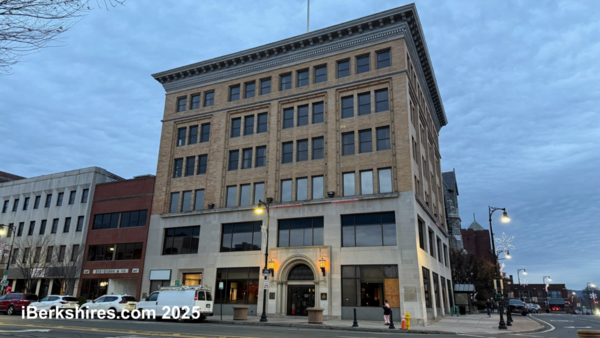
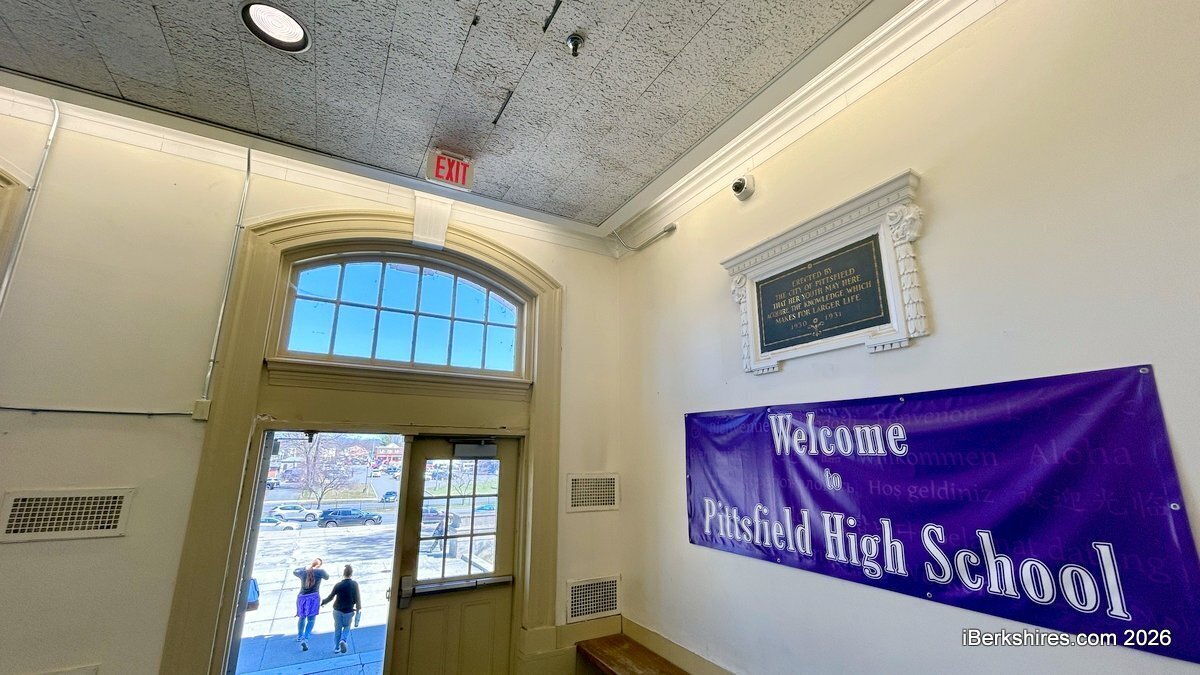
Last week, the School Committee accepted test results on the facility that has sat on East Street for nearly 100 years. The report was done in collaboration with Atlas Technical Consultants and the Pittsfield Water Department.
Readings were "acceptable" in all tested locations, and there are recommendations for monitoring humidity, replacing equipment, and additional air monitoring when needed. Some retesting needed to be done, and a couple of sink faucets were removed in the process.
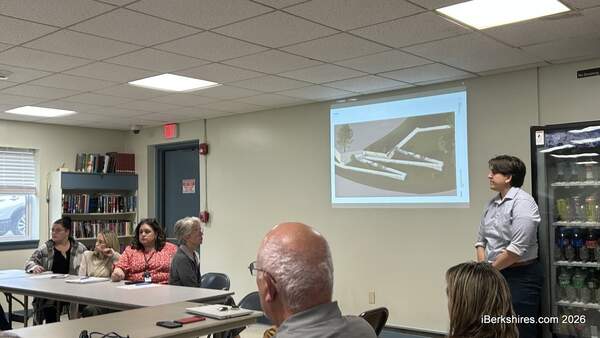
"If you want every room sampled, we can do it," Mayor Peter Marchetti said in response to Ciara Batory's concerns about air sampling in only a handful of rooms.
"This is the report that came back, and this report does not show that children are in danger."
Limited indoor air quality readings were done in rooms 102, 103, 104, and 116 on June 31. Air quality testing was also done two years ago.
Humidity levels were slightly above American Society of Heating, Refrigerating and Air-Conditioning Engineers guidelines in rooms 103 and 104; monitoring and dehumidification are recommended.
The report says that mold spores captured in rooms 103 and 104 likely originated from an indoor source. Custodial deep cleaning was done right before samples were taken, and a retest showed levels within an acceptable range.
In July, the School Committee received a report card on Pittsfield High School's physical condition, which was described as "poor" and in need of restoration to its original character. Marchetti and Superintendent Latifah Phillips toured PHS the same month and heard concerns about air and water quality.
Pittsfield is pursuing a statement of interest to the Massachusetts School Building Authority to cover up to 80 percent of the cost for renovations, which are years out.
The water department did two water quality tests, collecting samples from multiple locations in the building. The first test showed results above the normal range for lead, but after the building's lines were flushed, per the Department of Environmental Protection's recommendation, a second round of tests was within the accepted range.
Faucets were replaced on two sinks that had elevated lead readings compared to other samples but remained within acceptable limits: A sink in the former culinary room and another in the team training room.
"Although these two sinks are not widely used, as a precautionary measure, the faucets have been replaced," a joint communication from the city and PPS reads.
"The City of Pittsfield and Pittsfield Public Schools remain committed to maintaining safe and healthy learning and working environments for our students, staff, and community. We will continue to monitor facility conditions and take appropriate action whenever concerns are identified."
Batory asked that officials confirm these results do not conclude the entire building is within acceptable ranges for air and water quality.
"We're not saying any other area is unsafe, but those are the only areas we can make conclusions about because they're the only areas we evaluated," said Dylan Matilainen, who performed the limited indoor air quality test.
He explained that mold is not like asbestos, lead, and other chemicals with a long history of toxicology data and health-based standards; an outdoor sample is taken and compared with an indoor sample.
There was an assumption that the mold score would be high due to recent cleanings that disrupt mold, and the team didn't see any visible signs of a mold issue.
Marchetti said he took the report as it is. He did not authorize which locations would be tested but is willing to do more; Atlas normally tests targeted areas that have garnered complaints.
Batory was concerned that only four rooms and 17 water samples were tested in the 284,000-square-foot building.
"We need to be careful what we tell the public. I don't feel like we should make statements in any way, shape, or form that misleads them," Batory said.
"These are people's children that are attending these schools. These kids have asthma. Some of them have breathing issues."
Director of Building Maintenance Brian Filiault pointed out that testing the entire building would be "astronomical" but offered to have additional locations sampled. He reported finding no indication of visible mold in the building, and said it is "very well cleaned" for its size.
"We can certainly do it. I have no objections to it, and the mayor is on board with it as well," he said.
"I mean, this was a high priority for the mayor. He wanted this done. We took those areas that were, I guess, in concern, but once again the building is very well ventilated; it's cleaned properly."
Filiault added that he understands the concern; he and his crew are in the buildings all of the time, along with students and staff.
"Where do we draw the line? I guess is what question is, right?" he said.
Tags: air quality, PHS,