

Founded in:
2003
15,000
People served annually
BEAT works
Throughout Berkshire County
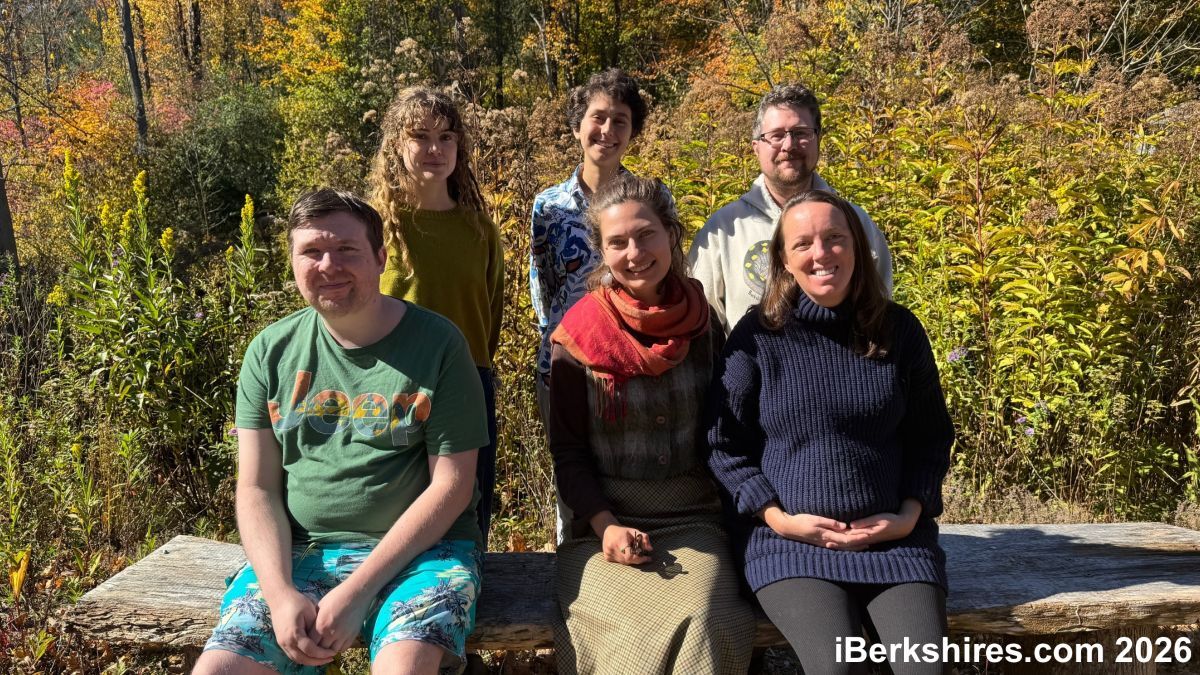
For this month's Nonprofit Spotlight, iBerkshires sat down with Berkshire Environmental Action Team's (BEAT) Executive Director Brittany Ebeling, who has been with the organization for four years.
What is your mission?
BEAT's mission is to protect the environment for wildlife in support of the natural environment that sustains us all.
What problem are you solving in Berkshire County?
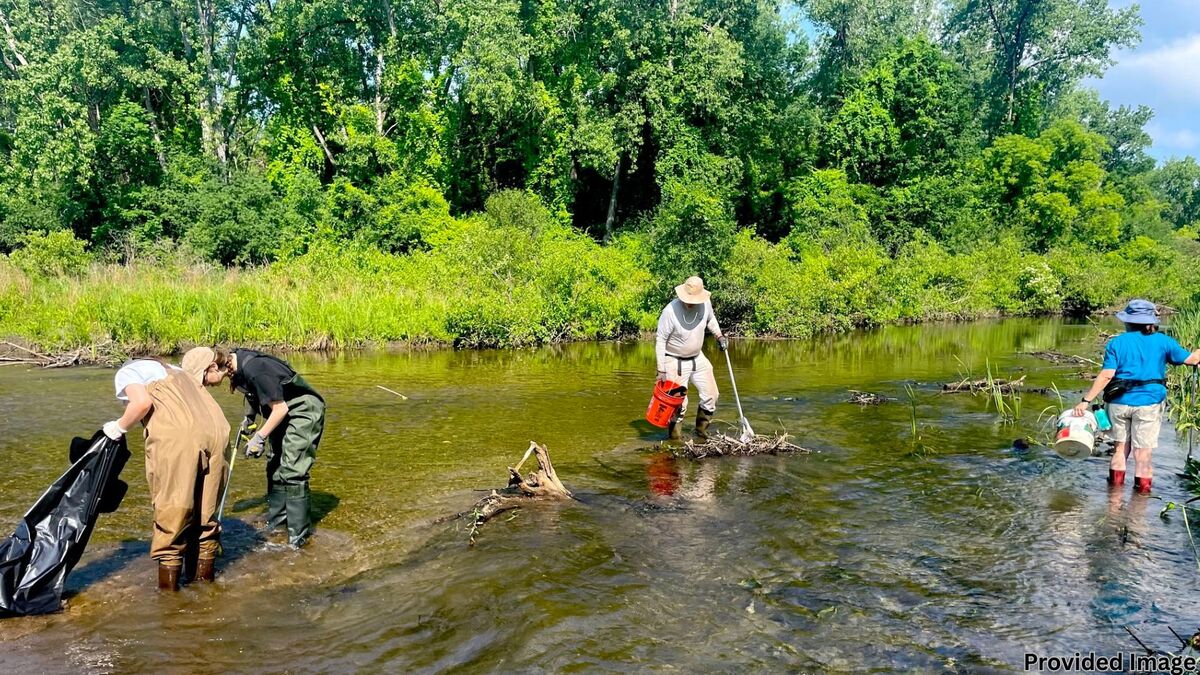
BEAT works as a watchdog, stewardship, and educational outreach institution. We address problems of pollution to air, soil, and water, push for the decarbonization of polluting industries, fight to stop the proliferation of fossil fuel infrastructure, protect critical wildlife habitat and biodiversity, fight for environmental justice, and more.
What inspired the creation of your organization?
BEAT was founded by a group of community members in response to a Wetlands Protection Act violation occurring at Berkshire Community College more than 23 years ago.
Share one story of impact:
BEAT has been very engaged in the push to ban the land application of sewage sludge, which contains PFAS, also known as "forever chemicals." This year, BEAT worked alongside community members in Northern Berkshire County to pass a bylaw banning the practice in Williamstown, becoming the first municipality in the commonwealth to do so and protecting the health and safety of the soil and communities that eat from it.
Programs provided:
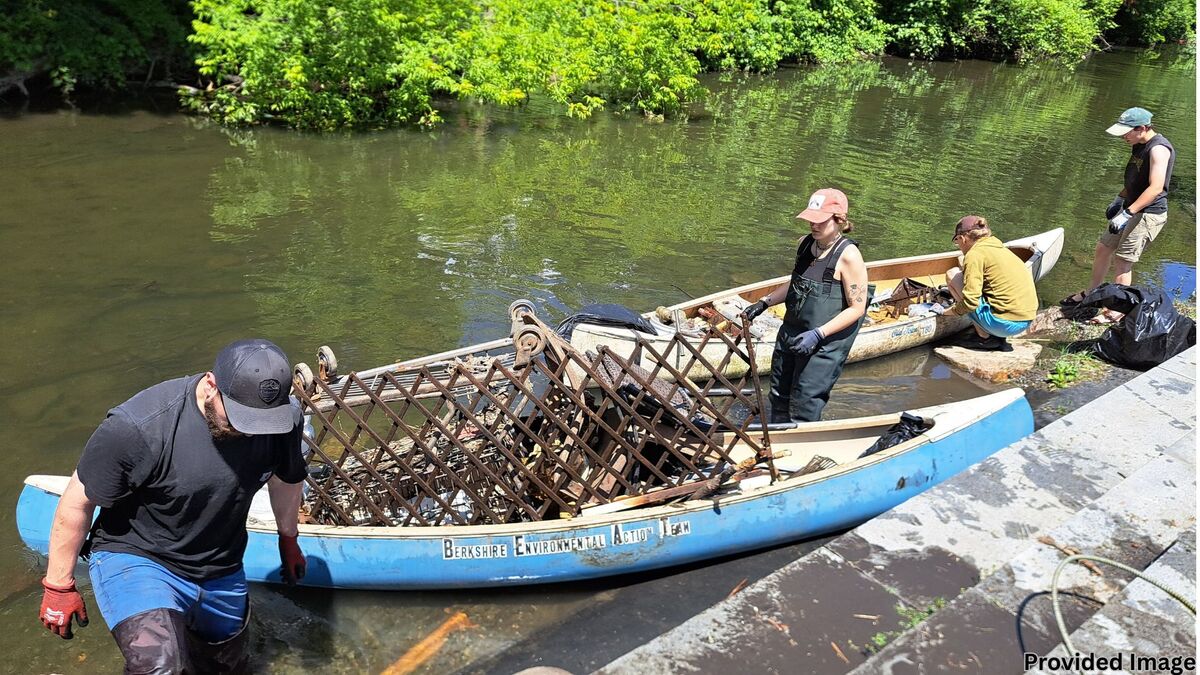
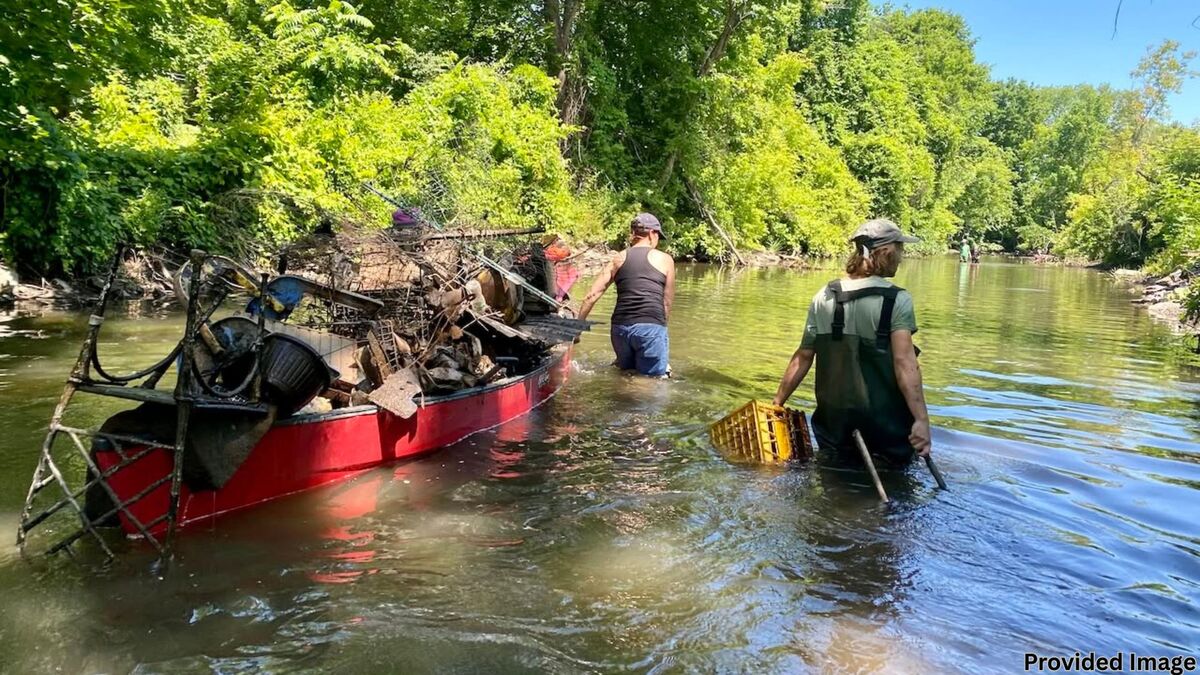
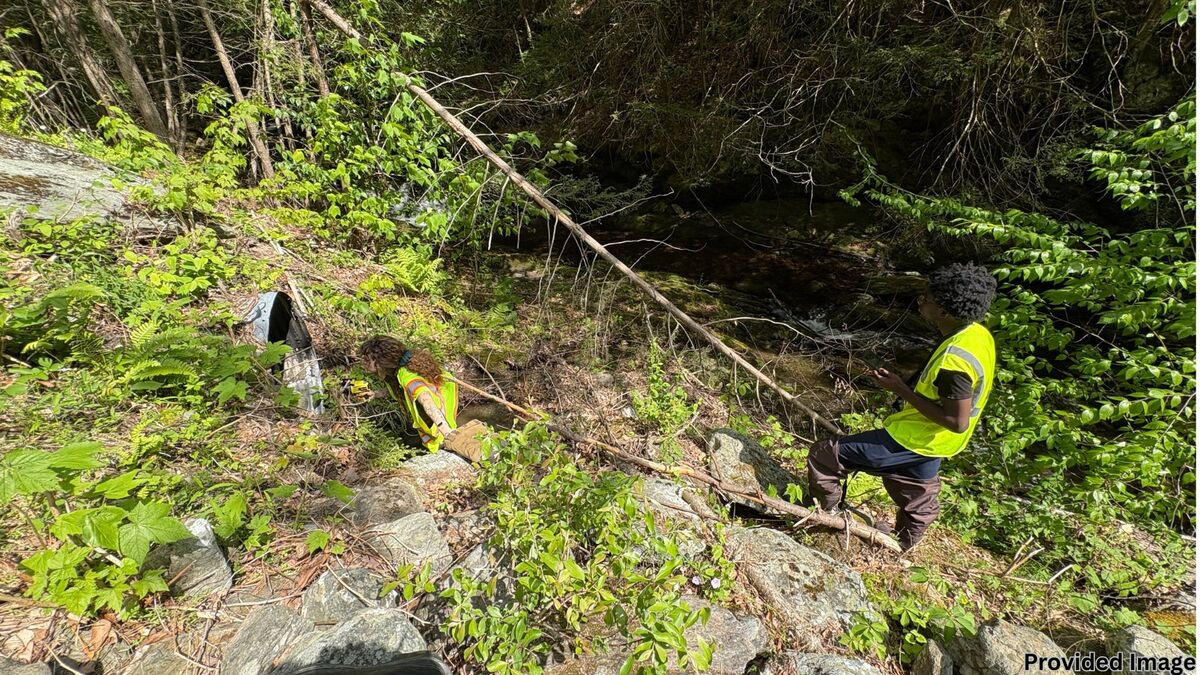
Biodiversity Day, Green Drinks, Moth Night, river cleanups, native plant giveaway, culvert assessment training, and much more!
What is a challenge you're facing?
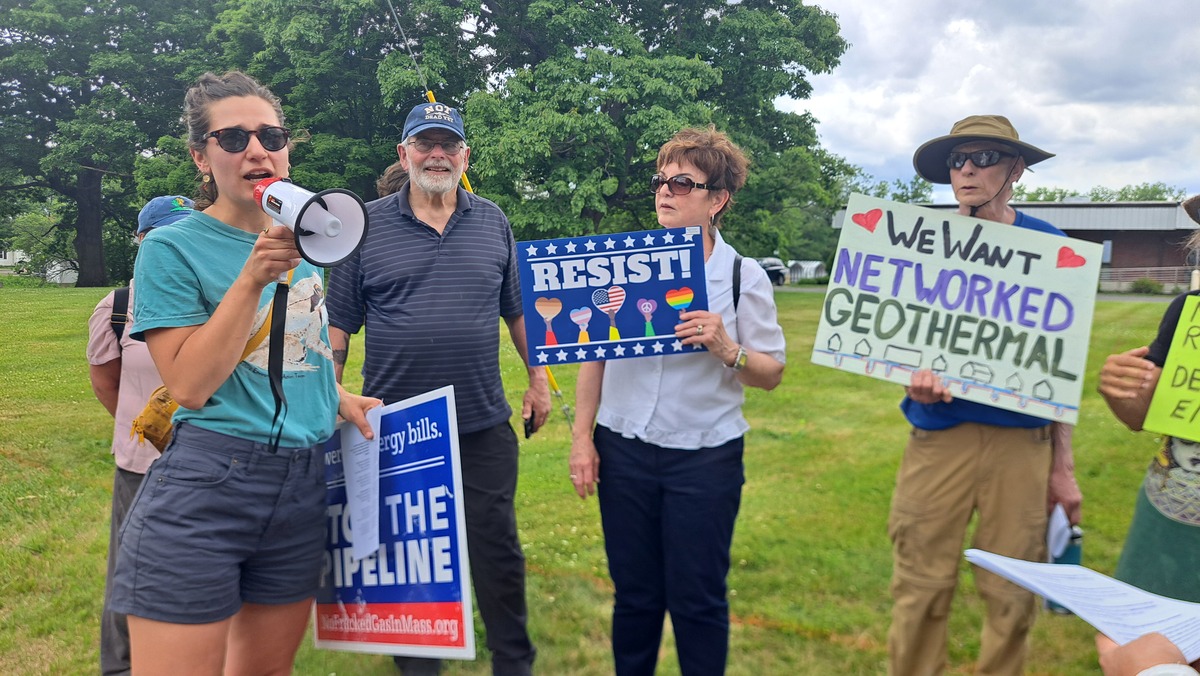
We face enormous challenge under this [federal] administration that has been rolling back environmental protections for wetlands, protections for endangered species, rivers and waterways, and really, you name it. Our environmental laws and protections are under threat. So we see our responsibility as a watchdog and an engaged participant in public process around proposals for expansion of gas pipelines, for example, as more critical than ever to respond to these emerging threats.
What are you excited about?
I'm really looking forward to a project that we're undertaking starting this fall, in which we will be leading a coalition of groups working to map all of the ghost dams in Berkshire County. Ghost dams are structures that are oftentimes no longer serving the purpose for which they were originally constructed, oftentimes for industrial applications like to be a grist mill, and are posing barriers to wildlife to fish who need to be able to move up and downstream.
And so these dams are sometimes not included on any official registrar, they're not assigned a number, and they're what are referred to as non-jurisdictional dams. So we will be working with a number of other watershed and community groups throughout the region to coordinate a citizen science response to mapping and providing resources to private property owners who have a dam on their property and might be interested in considering options for doing ecological restoration along the river.
How can people follow along?
BEAT sends out biweekly an extensive email that includes information about local action alerts for learning about environmental issues where there are opportunities to comment and be engaged.
We provide dozens of free environmental and outreach programs throughout the year, and in 2027, we have an extensive calendar of offerings that I'm really looking forward to. So, folks who are interested in learning more and staying in touch can sign up for the Beat News on our website.