Louison House Highlights Community Support, Successes Amid Federal Funding Uncertainty
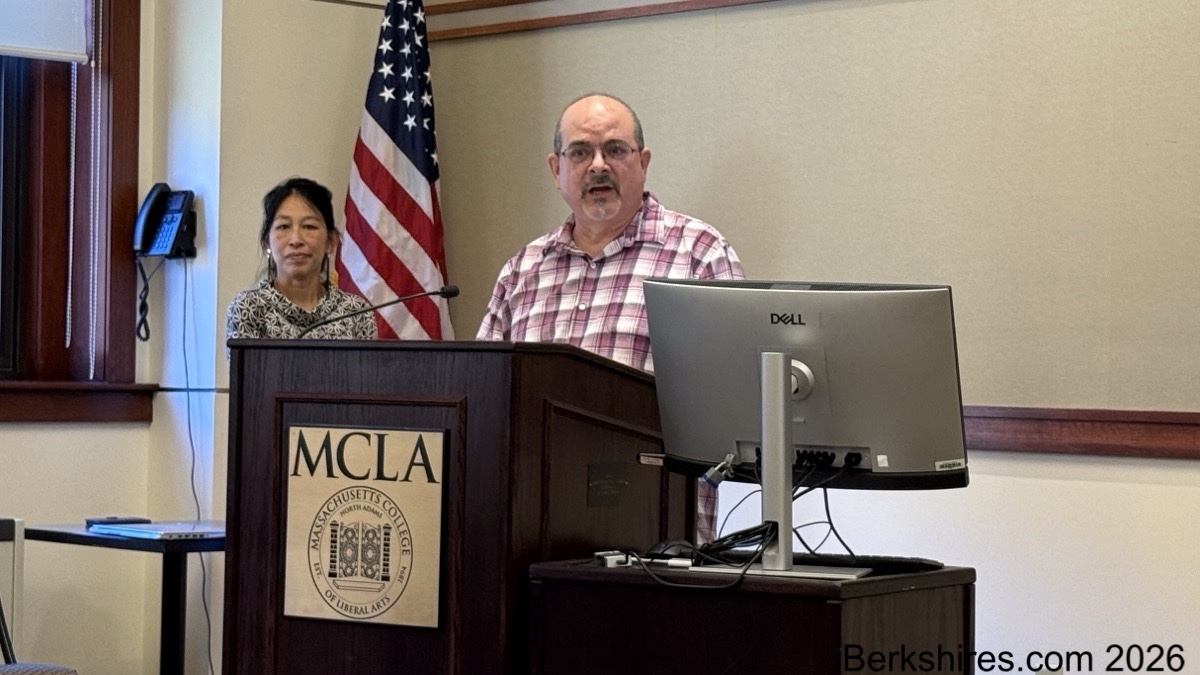
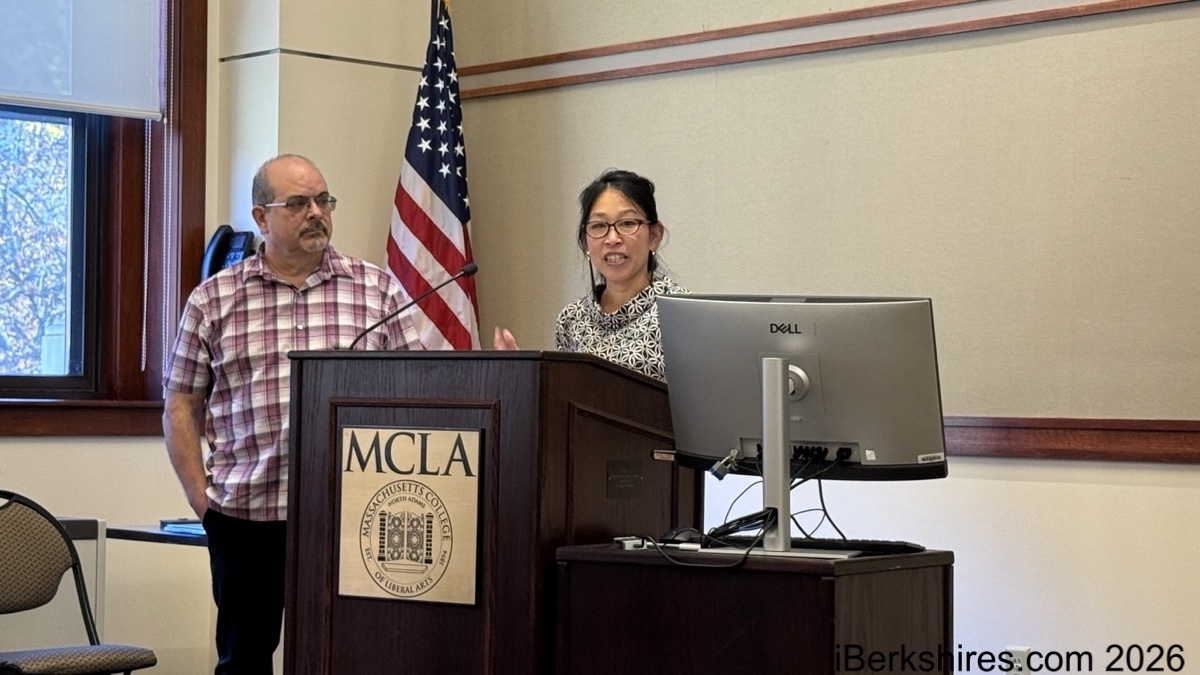
Staff member Greg Mitchell said some housing program are on the chopping block at the federal level.
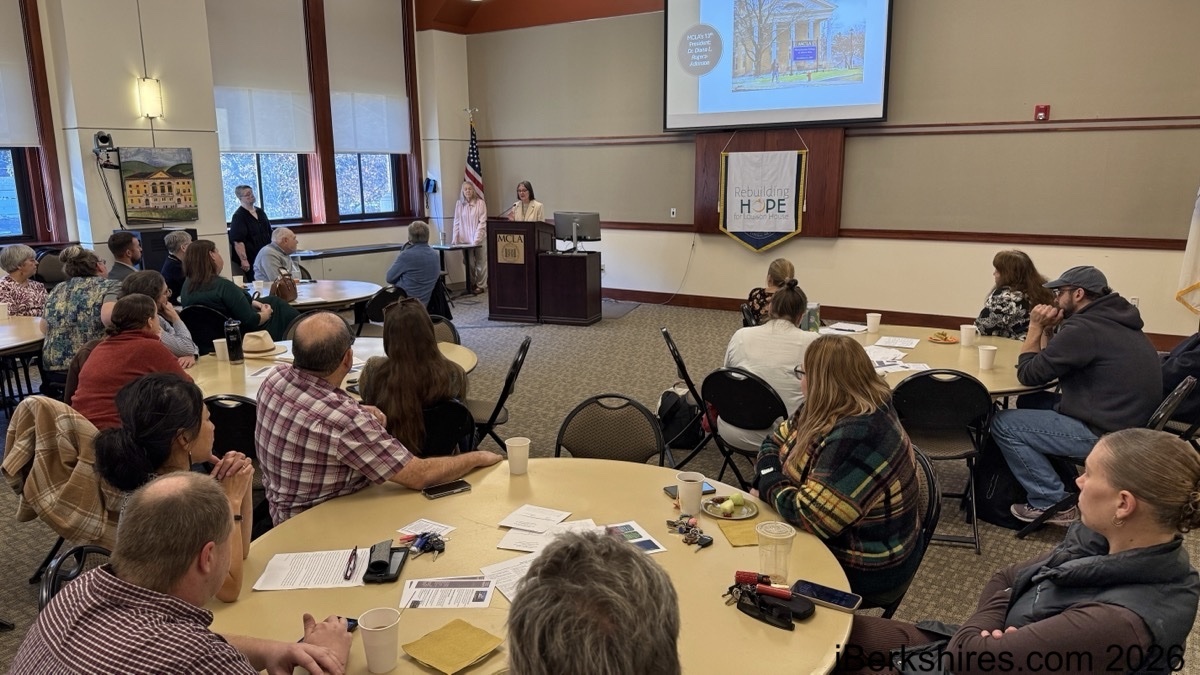
Louison House highlighted these challenges and successes at its annual meeting, held at Massachusetts College of Liberal Arts' Murdock Hall on Tuesday.
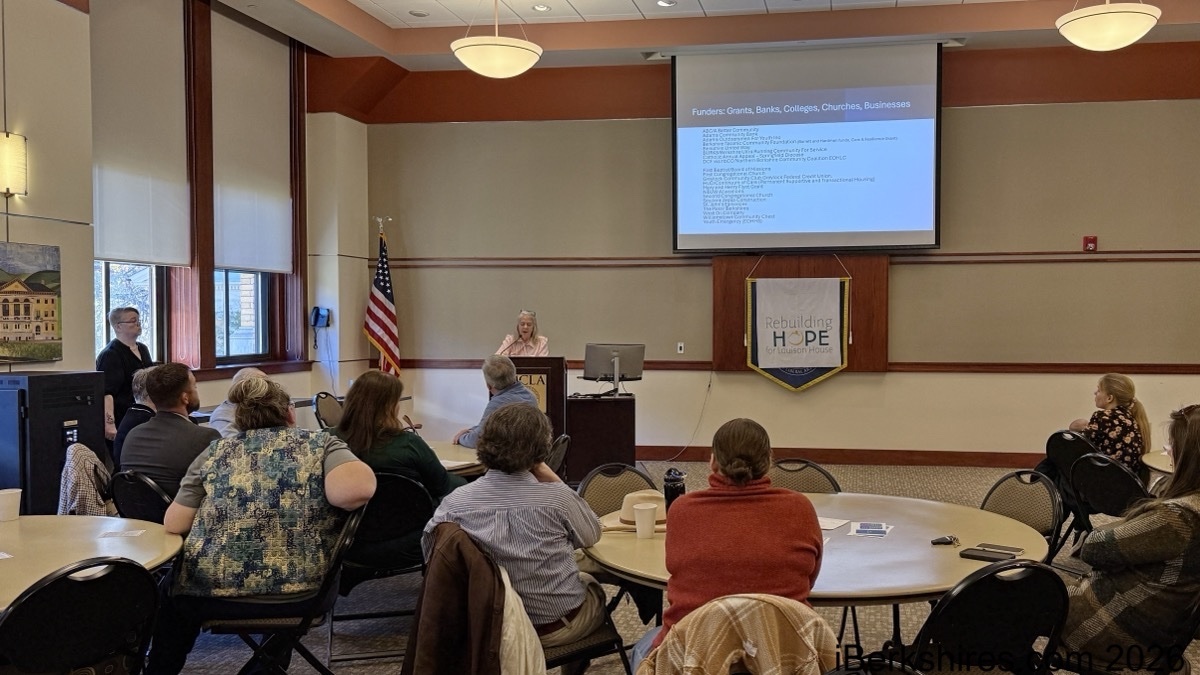
"We're all part of the community that pulls together, and there's no way that Louison House could do even part of what we do without the communities we have, and, of course, the funders," Executive Director Kathy Keeser said.
"I will say that some of our funders and some of our community are a lot of local agencies and programs, church faith-based groups, banks and businesses, college and community volunteers."
The engine that keeps Louison House going is its donors and community partners, Board of Directors President Mike Cutler said.
The need for services is substantial, she said, noting that over the past year Louison House served 930 people across its programs, including 565 new intakes, averaging about 47 per month.
"That doesn't count the people that are ongoing and coming back," Keeser said.
At one point during the winter, the organization housed or sheltered more than 108 individuals. Although that number declined during the summer, Louison House continued to provide housing or shelter to approximately 90 to 95 people each night who might otherwise have nowhere to stay, she said.
For the fiscal year beginning in October, the nonprofit anticipates needing approximately $1.67 million to operate, including $732,996 in federal funding it hopes to receive but is not guaranteed. The budget also includes $617,314 in state funding, which Keeser said is generally more reliable than federal funding.
Even with the federal and state funding, the nonprofit projects a deficit of about $6,340. However, after the meeting, Keeser told iBerkshires that Berkshire Community Action Council plans to donate about $6,000 to help offset heating costs, a significant expense for the organization.
The remaining funding is expected to come from local foundations, community organizations, churches, individual donations, fundraising efforts, interest income, and program income, including rent and fees paid by program participants.
According to the FY2027 budget, these additional sources include $40,000 in local foundation grants, $22,000 from the Williamstown Community Chest, $20,000 from Northern Berkshire United Way, $80,000 in individual and church contributions, $4,500 from fundraising, $5,500 in interest income, and $147,300 in program income.
Like other shelters and services in the area, Louison House is hoping for winter funding, Keeser said, also emphasizing the big impact smaller donations have on organizations.
"We continue to adjust as we always do to the community needs. It's always growing, it's always moving, and we're trying to be there with our partners to meet those needs as they come," she said.
Louison House's programs help people move from homelessness toward stable housing while also working to prevent individuals and families from losing their homes.
"Our primary goal is to help families avoid coming into the sheltering system by helping them apply for [Residential Assistance for Families in Transition] or emergency assistance through the state," staff member Moira Miller said.
"We set up appointments and work on applications for subsidized housing, and help guide them through the different processes."
Miller encouraged families facing housing insecurity to seek help before eviction.
"Being consistent and earning their trust is one of the best ways to form a working relationship to help them on their path to obtaining their own safe housing," she said.
Louison House operates five subsidized apartments at Terry's House in Adams and Flood House in North Adams, including units for families and individuals with accessibility needs, Miller said.
Its six-unit Bracewell Building in North Adams serves young adults ages 18 to 24, although Miller emphasized that assistance continues beyond age 25. The building celebrated its first anniversary this summer, and several residents have already transitioned into their own apartments, she said.
One young mother gained custody of her child and moved into her own apartment within a few months of entering the program, and a young man who had been living in a tent before moving into Bracewell also recently secured his own apartment, Miller said.
Louison House also manages supportive housing apartments in North Adams and Pittsfield for people who meet eligibility requirements.
Staff member Greg Mitchell described the program as a bridge from shelter and street homelessness to other housing, with participants in the program for about two years on average while they wait for subsidized apartments to become available.
As residents move into other housing, openings become available for people staying in shelters or temporary motel accommodations, he said.
Louison House anticipates spending more than $541,000 annually on motel accommodations for emergency sheltering and rent paid to local landlords.
"The big thing, and you can see out of the budget, we need a home for emergency sheltering. We've been close on various situations," Keeser said.
To reduce its reliance on costly motel rentals, Louison House is exploring purchasing a building to serve as a permanent emergency shelter, she said.
Recently, they brought on a development consultant to help in the search. Unlike its previous transitional housing project, which qualified for state funding, the nonprofit expects to have to finance the purchase through a loan, she said.
"We have hopes, but keep your ears open. We're looking for different kinds of places. We need a lot of space, and we're bound and determined to get it, instead of spending all that money on rental. We need more of the money to go to staffing and to direct services," Keeser said.
The future of permanent supportive housing programs and the three-county Continuum of Care system remains uncertain, with Mitchell warning that both are "on the chopping block" under the current regime.
"If we all speak up, it's something that we can tell them that we want to happen. We want to continue to happen. So, it's very important," he said.
Despite uncertainty over federal funding, the meeting also offered an opportunity to celebrate the organization's successes over the past year, with current and former program participants sharing how Louison House has positively impacted their lives.
Former program participant Debbie Abbondala shared how Louison House helped her and her husband secure permanent housing after spending several months living in their car with their dog and cat. The organization provided access to showers, laundry facilities, and eventually emergency accommodations while helping the couple navigate the housing application process.
Jasmine Sunn, a mother living in the organization's transitional housing program with her family, credited Louison House with keeping her family from becoming homeless.
She said staff have helped her apply for housing assistance, coordinate transportation, access services for her children, and navigate the process of securing permanent housing.
It's also important to note that many people Louison House helps later give back to the community in other ways, Keeser said.
Tags: homeless, louison house,