SEIU Votes Overwhelmingly for Strike
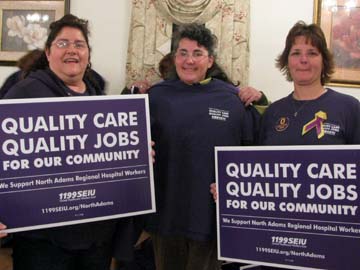 SEIU members voted to strike on Monday at the American Legion. Above, members Nancy Giorgi, Anna Gentes and Cindy Bird pose with signs and T-shirts that were handed out. |
SEIU, which covers a range of employees at North Adams Regional Hospital, and health-system negotiators have been unable to reach an accord on issues such as scheduling, overtime and benefits. The two sides left the table on Tuesday about an hour after an SEIU rally and informational picket.
Union officials had hoped to wrap up talks and have a clear vote for a contract or a strike by Monday. However, both sides have agreed to meet at the bargaining table on Tuesday.
"We were ready to go all night [Tuesday] but they quit at 5:30 — they got up and walked out," said SEIU chapter President Michael O'Brien. "They told us, 'we know you're going to have a strike vote ... go ahead and vote.'
"They threw down the gauntlet."
In a statement, hospital officials said they are "disappointed that after only four negotiating sessions, 1199SEIU has chosen to raise the threat of a strike against North Adams Regional Hospital. We still believe we can reach an agreement at the table and will continue to bargain in good faith. We look forward to a return to the process, and renew our pledge to negotiate a fair contract."
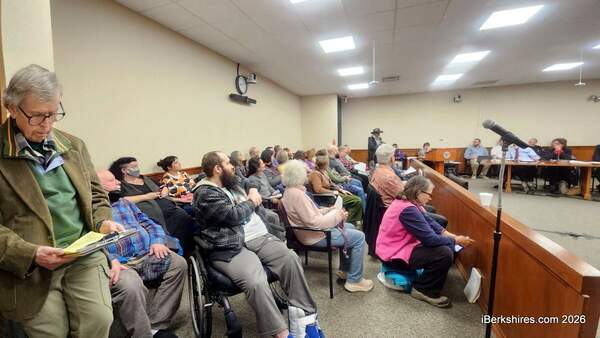
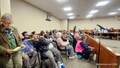
Of SEIU's 174 members, 152, or about 87 percent, voted at one of the two meetings held at the American Legion to accommodate workers on different shifts. Counting the votes was down in minutes immediately after the second meeting's end at 8 p.m.
The results were unambiguous: 134-18 to authorize a strike.
"I saw about half the membership at the afternoon meeting," said O'Brien, shortly before the votes were counted. "I think there were more of them this time (evening) than in the afternoon."
Hospital officials will be given a 10-day notice of intent to strike at Tuesday's talks. SEIU hopes this will serve to impress upon the health-care system's negotiators the seriousness of the union membership.
"Nobody's prepared to go out on strike, nobody wants this," said Thomas Morandi of Stamford, Vt. "But we're prepared to stand up for what's right and to save our jobs. Most of us have worked there for most of our lives. I've worked there for half my life ... these people come from out of town and we're left to pick up the pieces."
Northern Berkshire Healthcare is struggling with a crippling budget shortfall of $8.1 million, half in rising costs and half in investment loss because of the global recession. Hospital officials say it's critical the union make concessions — such as in overtime and flexible scheduling to staff according to the patient counts. They ran full-page ads in the local papers on Monday to back up their assertions.
Union leaders say they have made concessions by agreeing to certain overtime changes and freezing step raises for a year, and offering a proposal that comes in below the hospital's 2 percent cost goal. The hospital's demands would turn employees into "on-call" workers and cut into retirement and other benefits, they say.
The union's offered to work with the hospital but President Richard Palmisano has made it clear they want proposed changes to be permanent, said O'Brien. "We're not the cause of the $8 million shortfall."
NBH officials responded that "We have asked our unions to work with us to meet those challenges, as other nonunion and management employees have already done. We are disappointed that the SEIU has refused to acknowledge the difficulties we face."
The last time SEIU voted to strike was in 1983. Contract negotiations went right to the midnight hour on the 10th day, when a resolution was reached that forestalled a strike.
Several union members said morale was good going into the vote.
"It shows how strong we are," said one woman, who declined to be identified. "I don't think anyone really wants a strike but we have to stand together."