Pittsfield Smoke Shop Denied Tobacco License Under New Regs
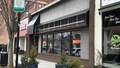
 Shire City Glass and Fine Tobacco had to remove tobacco from its shelves because it didn't have a city permit. Shire City Glass and Fine Tobacco had to remove tobacco from its shelves because it didn't have a city permit. |
PITTSFIELD, Mass. — A downtown smoke shop has had to remove half its inventory after the city's Health Department became aware that it had been operating for several months without sufficient permitting.
According to Director Gina Armstrong, the department became aware of the establishment, Shire City Glass and Fine Tobacco, and a visit by an inspector in early November confirmed the presence of tobacco products at the new North Street store, which opened in June.
"We recognized that they weren't on our list of establishments that have licenses at the current time," Armstrong told the Board of Health. "Then our inspector verified that about 50 percent of the product in the store was tobacco."
While its proprietor holds a state license to sell tobacco, he indicated that attorneys hired to assist with opening the business had not made him aware of the need for additional local permitting.
Now no such permit is currently available, due to new regulations put in place by the board this summer, capping the number licenses to sell tobacco products to those already issued, and any business wishing to will need to wait for an existing permit holder's business to change hands.
"It's pretty open and shut," said Chairman Roberta Orsi. "We've made the regulation."
Board members agreed that the change in regulation had been widely publicized in local media, and lack of awareness of the new rule did not justify making an exception.
"We did not have an application put in at the time, but we were unaware of it," Shire Glass proprietor Shaun Graham told iBerkshires.
"I would advise them to formalize their request for one, when one becomes available, and then put them in the queue," suggested board member Jay Green.
Under the provisions of the license cap set in place as part of the new anti-smoking regulations, which became effective Sept. 15, the permit of any business that closes or otherwise fails to renew within 30 days of its expiration will be permanently retired.
However, applicants "who purchase a business that holds a current tobacco product sales permit at the time of the sale may apply, within 60 days of such sale, if the buyer intends to sell tobacco products," may obtain one, but only if that location is more than 500 feet from any elementary or secondary school.
"They were very respectful and professional," said Graham of Health Department staff. "It's very unfortunate that there wasn't anything more they could do to help out a local business, when there are so many other chain and franchises in the city selling these products."
He said Shire Glass will apply for a permit, though he acknowledged "it's unlikely that we'll be able to get one."
"For right now, we've already removed all tobacco and we're selling other products that we can legally sell," Graham said. "We're staying in compliance, and moving on from there."
Tags: board of health, smoking-related items, tobacco regulations,