Congressman Neal Files Bill To Combat Heroin Overdoses
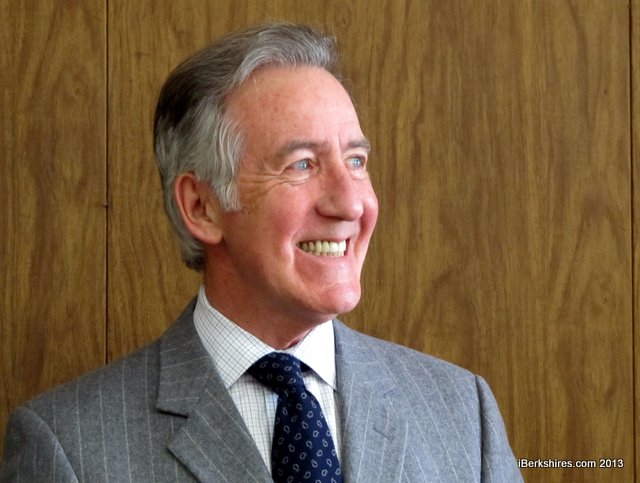 U.S. Rep. Richard Neal has filed a bill that would exempt those providing overdose-reversing drugs from civil liability. U.S. Rep. Richard Neal has filed a bill that would exempt those providing overdose-reversing drugs from civil liability. |
The Springfield Democrat has filed a bill with fellow Congressmen Frank Guinta of New Hampshire and Barbara Comstock of Virginia that will exempt civil liability for those who use opioid overdose-reversing drugs.
Heroin and other opioid abuse has been a fast growing issue across the country and in Berkshire County. Drugs such as naloxone, which is marketed under the name Narcan, can reverse overdoses and prevent the user from dying.
"Prescription drug and heroin overdoses have reached epidemic proportions in the United States. In the past 10 years, opioid prescriptions have doubled. Every day, 120 people overdose on illegal drugs and prescription painkillers," Neal said in a statement last week.
"Drugs like naloxone provide the means to counteract the effects of opioid overdoses. This is a life-saving treatment, but many are deterred from providing these medications for fear of litigation. This bipartisan legislation hopes to correct that resistance immediately."
Massachusetts has a program to help get the overdose-reversing drugs into the hands of first responders and medical professionals as well as families of users.
The Opioid Overdose Reduction Act of 2015 is intended to help expand the use of the trend by taking down one of the barriers keeping first responders, doctors, and addiction organizations from using it. Those who administer or prescribe the drug would not be held liable in overdose cases.
The U.S. Senate has a similar bill.
"First of all, it will help out in making sure Narcan is available to people who find themselves with an overdose. Secondly, it is an attempt to address what is a growing and serious problem that is not confined to urban America," Neal said in an interview on Friday.
"One of the difficulties is, is Oxycontin and other drugs have become more expensive on the street and heroin has dropped to, in some cases, $3.50 a bag."
Nationally, 120 people die daily because of drug overdoses and it causes more accidental deaths than traffic crashes. In 2013, there were 16 confirmed deaths from overdoses in Berkshire County, 11 of which were heroin.
In 2014, the issue led former Gov. Deval Patrick to call the epidemic a "public health crisis" and local officials followed suit.
State legislators have filed various bills to increase rehabilitation efforts as well as launching a prescription monitoring program to more closely follow the opioids doctors prescribe.
"It is not just an issue of supply but also of demand. Addressing the issue of supply and demand is important but we also want additional opportunities for rehabilitation," Neal said.
Neal says he, too, supports efforts to boost rehabilitation of those addicted to the drug.
"One of the problems I've discovered with Narcan in talking with police and others is that the individual who is revived doesn't change behavior. We have to figure it out. It is not just that moment when they are brought back to life in a near death experience. That is available and accessible but that doesn't address the whole problem of rehabilitation down the road," Neal said.
Opioid use has become a national issue and many cite years of doctors prescribing powerful narcotics as pain relievers that eventually lead to addiction.
Tags: Congress, good samaritan, heroin, Neal, substance abuse,