Williams Colleges Pledges $5M Endowment for New Mount Greylock School
WILLIAMSTOWN, Mass. — Williams College announced on Thursday that it will create a $5 million endowment for the Mount Greylock Regional School District.
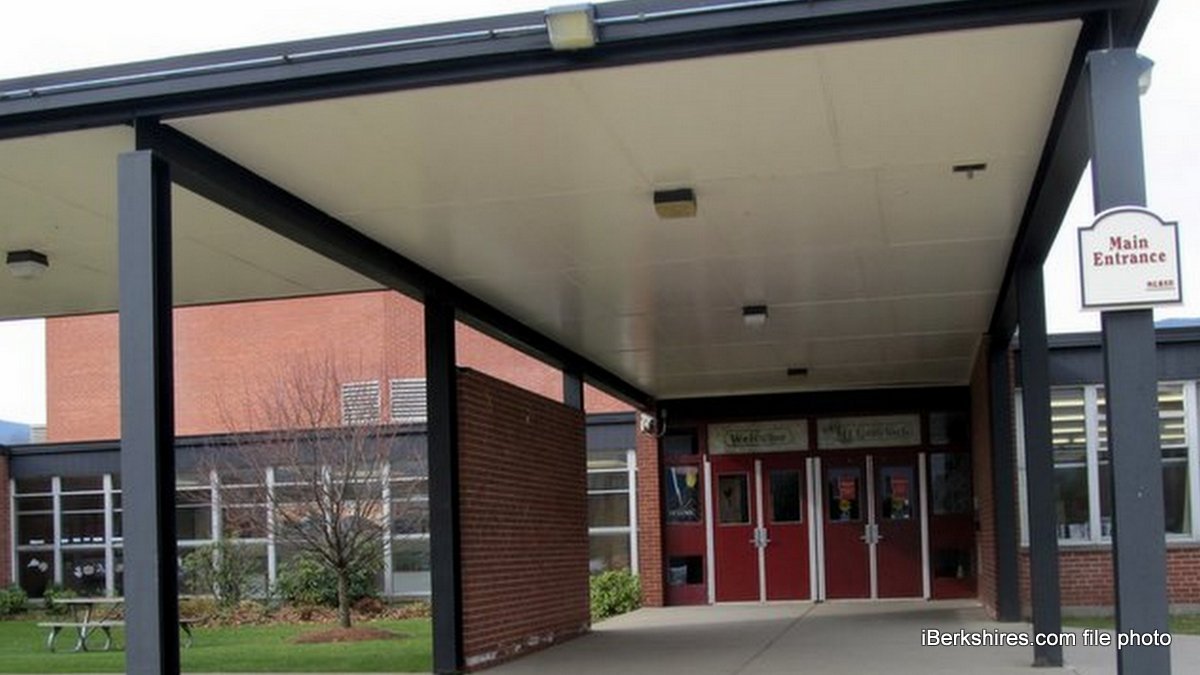
The funding will go toward projects outside of the scope of work in the new construction and renovation project. The district has approved a $64.8 million renovation and the cost will be split between the two towns and the Massachusetts School Building Authority.
William's $5 million fund will be created next fiscal year and will be used for capital projects chosen by the Mount Greylock School Committee.
"Williams is pleased to be able to strengthen further its partnership with Mount Greylock to include a fund for the school district's capital needs, current or future, that fall outside the proposed project with the MSBA," Williams President Adam Falk said in a release on Thursday.
"The fund is designed to support supplementary capital projects in ways that will increase educational value and reduce costs to the district and its member towns."
The college will determine how much of that $5 million is distributed each year for the district's use, which is estimated between 4.5 to 5 percent. That percentage will be rolled into a spending account, which can accumulate from year to year.
Beginning with the 2016-17 fiscal year, the amount in the spending account and any or all of the principal will be available for capital projects as determined by the School Committee.
The college created a similar fund when Williamstown Elementary School was built. That account was $1.1 million and so far Williamstown Elementary School has spent $214,000; the spending account balance is at $214,000; and the principal has grown to $1.5 million.
Further, the college says it will look at making further investments focused on lowering greenhouse gas emissions at the middle and high school. The MSBA-approved project will bring the school to a silver standard of the U.S. Green Building Council's Leadership in Energy and Environmental Design and the college will look to see if the facility can become even more energy efficient.
"Mount Greylock is very fortunate to have now both the prospect of financial support from the MSBA for the main building project and from Williams for other projects, which will enhance educational quality, spare our member towns these capital costs, and reduce our utility bills going forward," said Superintendent of Schools Doug Dias. "This is truly an exciting moment for our school and for our community."
In November, the college also announced its commitment to provide $200,000 for the budget each year starting in fiscal 2017.
The college also created a Williams Fund for Mount Greylock, which is a donor-driven account. That account has made $777,000 available to the school in the last five years. Williams also operates a Williams Center at the school, which brings Williams students, faculty, and staff into the academic and extracurricular life at Mount Greylock.
Thursday's announcement comes about a month before the two towns will vote on the school project. Williamstown will vote on a debt exclusion to move the project forward on March 1, while Lanesborough will vote on March 15.
Tags: endowment, MGRHS school project, Williams College,