Pittsfield Approves New Fire Truck But Questions Police Station Future
PITTSFIELD, Mass. — The City Council on Tuesday night authorized the purchase of a new ladder truck. But, some councilors are wondering what that'll mean for the future of the police station.
The city has been without a ladder truck for some six weeks after its front-line piece was in need of repair and the reserve was taken out of service. The council approved taking $200,000 from a bond authorization for engineering on a new police station and put it toward the purchase of a new truck instead.
That allows the Fire Department to move forward with the purchase of a 2014 Pierce 100-foot ladder truck, which has just about 10,000 miles on it and was used as a demonstrator model at trade shows.
But, it also pulls the funding for the engineering of a new police station, which has been in the works for a few years. According to Director of Finance Matthew Kerwood, the original $250,000 authorization to get the police station project shovel-ready is not sufficient and therefore isn't going to be spent.
So, the administration made the decision to reallocate the funds to what they considered a more immediate need.
However, it was in 2011 when the City Council approved spending $83,000 to replace boilers at the police station. That money also was never spent because the decision was made to make minor repairs and switch focus to building a new station. Last November, the council finally revoked that expenditure.
And now the station is being put off again.
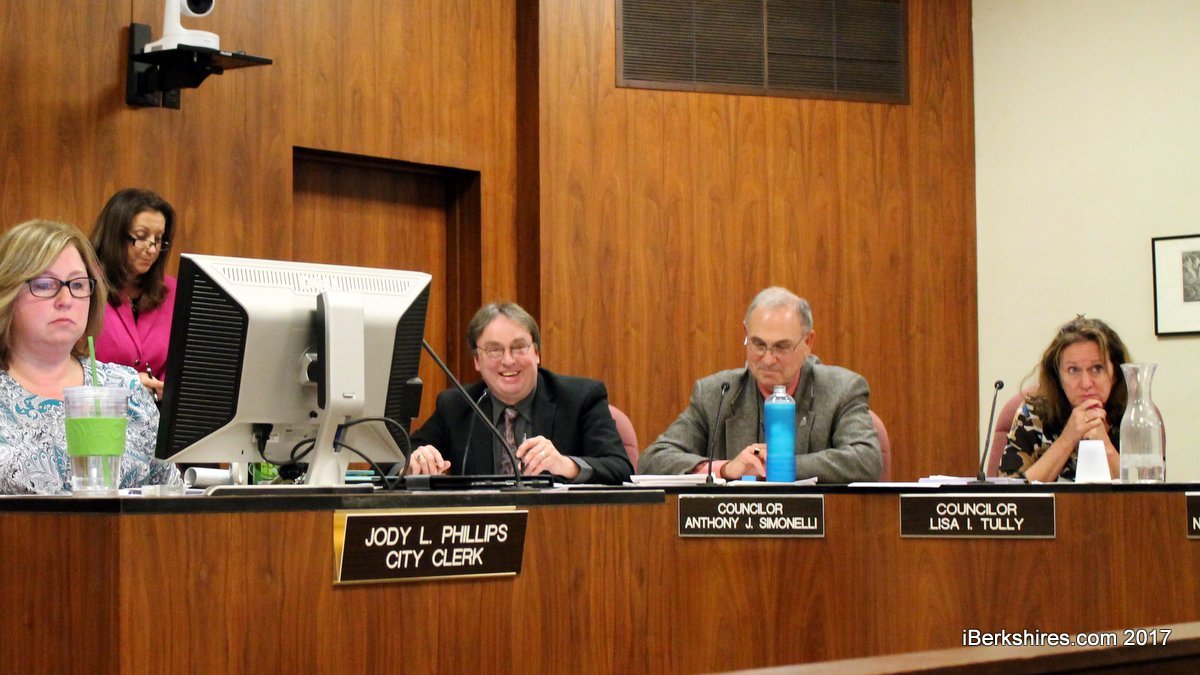
"It seems like we are going backward here," said Ward 4 Councilor Christopher Connell. "Are we going to be staying in the police station, and if we are, are we going to repairing the heating systems?"
Kerwood said the consensus is that a new police station would cost around $30 million and the rule of thumb is engineering and architect work costs are 10 percent of that total cost — meaning $3 million is needed and not just $250,000.
"We are making the decision for the time being to abandon the police station for FY17," Kerwood said. "We made an executive decision to reprogram that money in this capital budget."
Kerwood says the concept of building a new police station isn't going away, just being pushed back to later years. The administration will regroup and work out a new strategy for funding the project. But Connell is wondering if those boilers will still need work.
"Now we no longer have that $83,000 that was authorized but not used and now we made the decision we will be staying longer, so should we be putting something into it?" Connell said.
Police Chief Michael Wynn says the boilers are working better than they did in 2011 when the decision to fund the replacement was made. But, they are still not up to par. The work over the years from various boiler technicians has lowered the load on the boilers and made it so the heat is dispersed more evenly. But the building still needs to be replaced.
"I can't do what I need to do with $250,000 so we'll be back for $3 million," Wynn said.
There has been a lot of focus on these bond authorizations over the last few months. Kerwood has been trying to clean up the books by getting rid of old authorizations, which are simply approvals to bond for capital projects. He has been reviewing authorizations, dating back years, and asking to revoke the funding for projects that never moved forward, or have leftover funds from projects that came in under the authorized amount. And he's been asking to reallocate authorizations to cover gaps in other projects.
"We're doing this strategically in an effort to clean up what we can, keep what we feel is necessary, and strike a balance we think works for all of the interests we are trying to serve," Kerwood said.
An example was in November when council rescinded orders from 2008 for the South Landfill drainage and the King Street dump projects. At the time the city had to respond to federal environmental demands but ultimately the state backed off and the project was never completed at the dump. The South Landfill project was some $169,000 under. In total, $390,000 of authorized but unused debt was still on the books.
Councilor at Large Melissa Mazzeo said through this process Kerwood is undertaking she is noticing a "disturbing pattern" of projects never being completed.
She said every year the City Council pours over the capital budget and department heads come before them outlining the vital importance of projects. And then years later, the council finds out that the project must not have been that important at all because the work was never done. Meanwhile, other very important projects aren't getting funded.
Immediately after approving the $200,000 reallocation, the council rescinded another $158,000 of unused debt from 2012 through 2014. Those included repairs to the shower room at the Central Fire Department, floor abatement in the library, removal of the band shell at the former Pitt Park, removal of oil tanks at Mercer and the Maintenance Department, and Wahconah Park stadium lighting.
"There seems to be money laying everywhere," Mazzeo said with frustration.
Kerwood said right now the process is to clean up the books, which earns brownie points from the bond rating companies and auditors, in preparation for the bonding of the Taconic High School project.
"Anything we can do to improve our credit score is a benefit to the city and a benefit for the city," he said.
Moving forward Kerwood says the administration is implementing "much more rigorous screening" for capital projects so there are fewer of these unused authorizations. He said the department heads will have to make a stronger case for the capital projects and if that money isn't spent during that fiscal year, the department heads will be held accountable.
"We're trying to really bring a greater discipline to the capital process," Kerwood said.
Kerwood's efforts received praise from Council at Large Kathleen Amuso.
"I don't want this money hanging out here to have people decide what they want to use it on. We should rescind any debt we can," Amuso said.
Tags: bonding, fire truck, municipal borrowing, municipal finances,