'The Mastheads' Inaugural Writers' Residency Launches in July
PITTSFIELD, Mass. — The Mastheads Writers' Residency Program is set to launch its inaugural monthlong residency on July 3 with a launch party at Hotel on North.
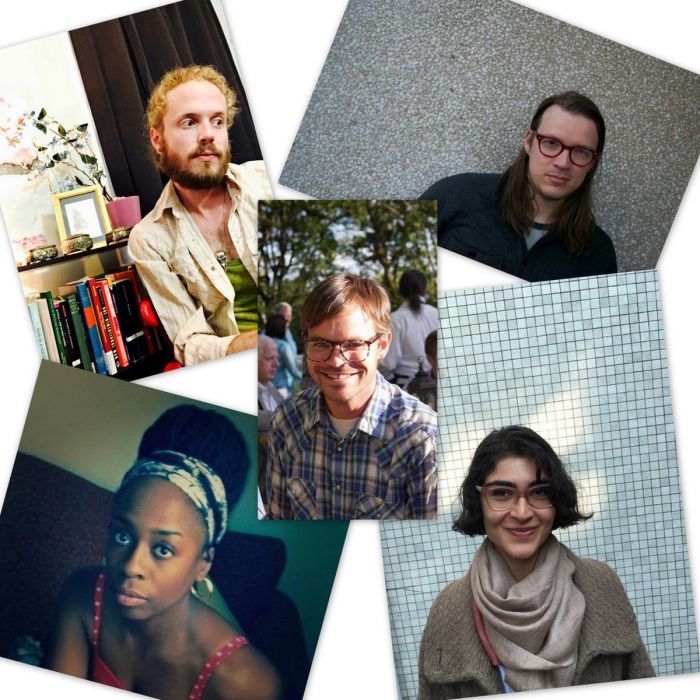
Five writers from around the country will converge on the city, each paired with a private studio for a month-long residency, complemented by city-wide public programming and events.
The brainchild of husband and wife architecture team Chris Parkinson and Tessa Kelly, The Mastheads project recognizes Pittsfield's legacy of writers of the American Renaissance, including Herman Melville, Nathaniel Hawthorne, Henry David Thoreau, Henry Wadsworth Longfellow and Oliver Wendell Holmes. Between the years of 1840 and 1860, these authors all produced work in and about Pittsfield.
The Mastheads seek to preserve this history of writing about place through the production of new content and knowledge.
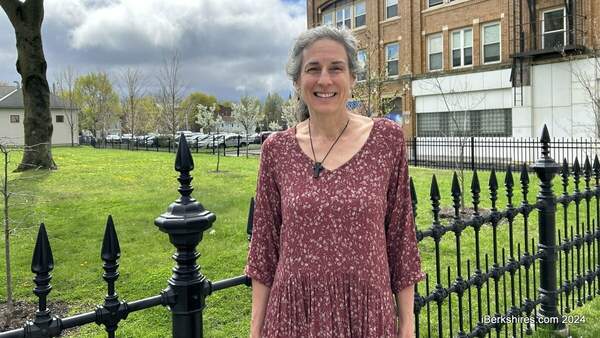
"We really want to get the community engaged in this project by using these historic authors to provide a platform for new voices to engage with the contemporary city through the written word," Kelly said.
The writers-in-residence for this year are Mariam Rahmani, Justin Boening, Maria Pinto, Greg Allendorf and John Babbott. Click here to learn more about the residents.
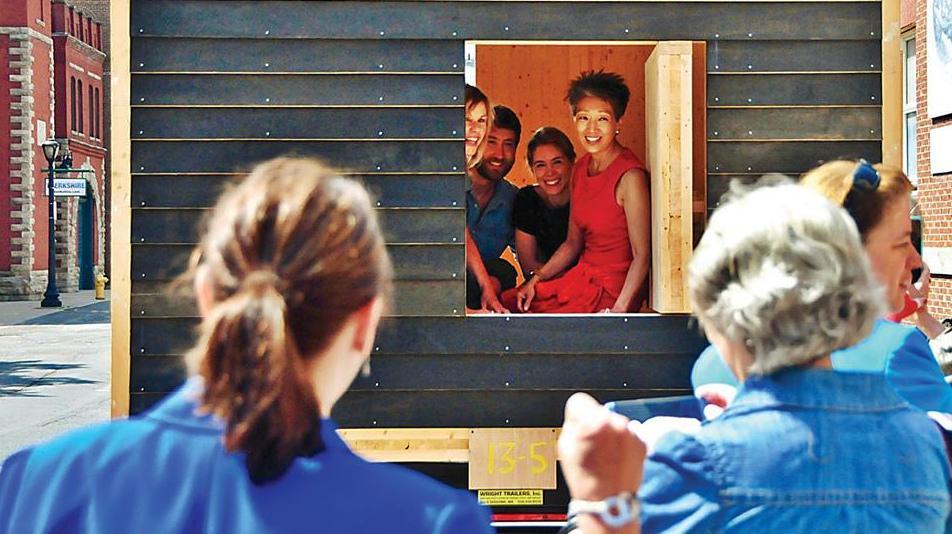
The writing studios, which will be dispersed across the city at five new sites each summer, then de-installed for the remainder of the year, promote this dual condition-individual introspection from a specific vantage point and connection to a large-scale urban network. The locations for the inaugural year of the project are Melville and Hawthorne at Arrowhead; Holmes and Longfellow at Canoe Meadows and Thoreau at Springside Park.
The writing studios are work spaces only. Housing for the residents is provided in Pittsfield, with transportation available for those who need it. The studios are open-air and rustic in their amenities. They include electricity and are each located within 300 feet walking distance from a host institution where restrooms are available.
"This project showcases the vision and artistry of our creative community and also creates a bridge to Pittsfield's illustrious literary past," Mayor Linda M Tyer said. "We are, indeed, a city where the arts has a dedicated space to flourish and thrive."
"The Mastheads" title comes from Moby Dick, written in Pittsfield, in which crew members aboard the Pequod take shifts climbing up high into the masthead, looking out for whales. From that new vantage point, they see the world around them from a different perspective, elevated far off the ship's deck.
The project is supported in part by an Our Town grant from the National Endowment for the Arts. Other sponsors of the project include The Fitzpatrick Trust, The Feigenbaum Foundation, The Berkshire Bank Foundation, Housatonic Heritage, Mass Development, Mass Humanities, The Walmart Foundation and several private donors.
A launch party and reading will be held at 6:30 p.m. July 3 at the Hotel on North. The complete scheduled can be found here.
Tags: authors, Pittsfield,