MPO Wants Closer Look at Public Transit Options
PITTSFIELD, Mass. — The MPO wants to take a much more serious look this fall at how public transportation serves its customers.
The Berkshire Metropolitan Planning Organization is in charge of prioritizing federal transportation dollars allotted to the county. That includes funding for the Berkshire Regional Transit Authority.
The issues with the BRTA haven't changed in years — a lack of funding leads to limited hours, infrequent service, and constrained geographic coverage.
The MPO wants to "think outside of the box" and find how to address some of those issues to better serve the community.
"If we want to crack some of the fundamental barriers in the region we have to think outside of the box of fixed-route transit," Berkshire Regional Planning Commission Executive Director Nathaniel Karns said.
Transportation issues touch on a lot of aspects of the area: getting workers to jobs, residents to health facilities and students to secondary and higher education institutions.
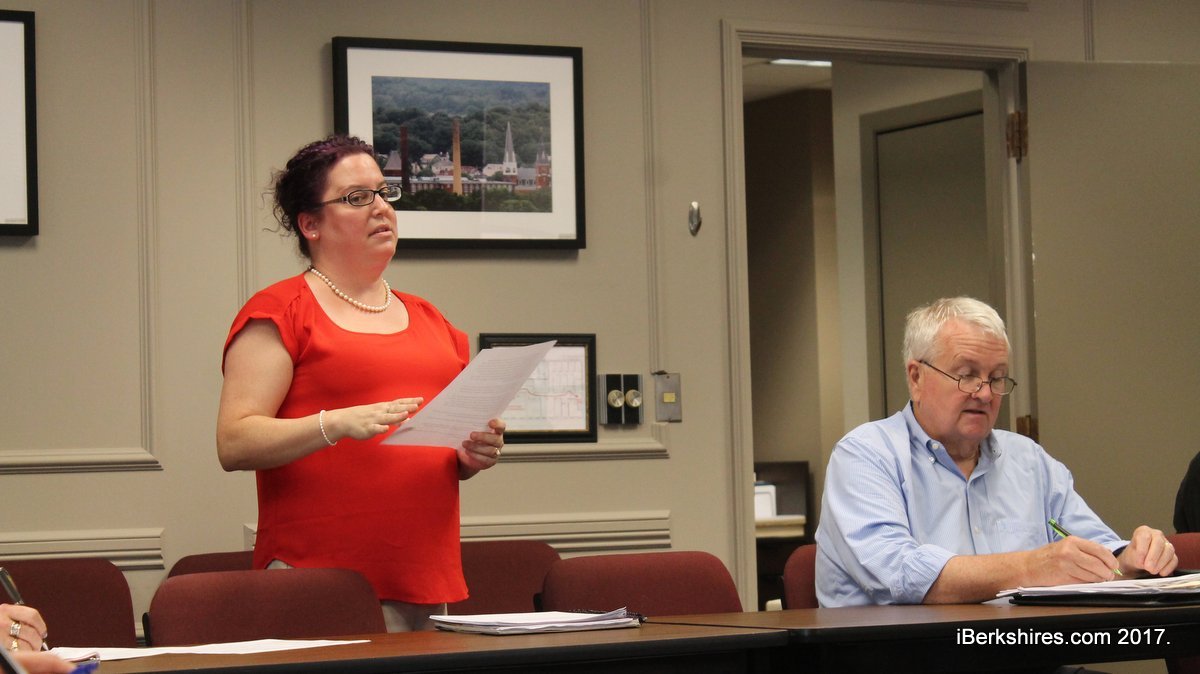
Andrea Sholler, managing director of Jacob's Pillow Dance Festival, said the public transit system makes it difficult for her employees. The venue is tucked into the hills of rural Becket and, during the summer, she needs some 75 workers, mostly for minimum wage, low-skilled jobs. Often those jobs are going unfilled because she has difficulty hiring people who have access to transportation.
"We have jobs that go unfilled. For us, we would really like to have an opportunity with other employers when issues are being discussed," Sholler said.
Alisa Costa from Pittsfield's Working Cities program said single mothers have been particularly affected by the lack of transportation. She told the story of a young mother of three who had to move out of the area because she couldn't get to her job at the hours she was needed. The same issue echoes true for recent immigrants, who can find jobs but have no ways to get to them.
Costa said she's asked state Sen. Adam Hinds to include state funds for a pilot program for Pittsfield that would run shuttles from the West Side or Morningside neighborhoods to the Downing Industrial Park or Coltsville, where there are jobs available.
But overall, the Working Cities program wants to be involved in transportation planning at the early level to help ensure that those populations who need public transit the most, have some say. Costa said the program may not know all of the ins and outs of a transportation system, but it does know the ins and outs of how it needs to operate to better serve its populations.
Karns said he's heard a similar concern from Berkshire Community College. He said there are many people who decide not to attend or quit the college early on because they struggle to get to classes at the outer West Street campus. He's also heard it from those in the public health field, who say the lack of transportation restricts access to health care for many.
Steve Woelfel of the state Department of Transportation said those are exactly the conversations the local MPO members need to have not only among themselves, but by interacting more with the end-users of the system.
"These are the discussions we need to have more rigorously out here," he said. "Transportation itself is not important, it is what it unlocks."
MPO member Jim Lovejoy lives in rural Mount Washington and he understands that there are a lot of miles with low populations, making a traditional public transit system unsustainable. But, he added that there can definitely be ways to identify specific needs and react to them.
The MPO will now use the next few months to "brainstorm" about ways to better improve the system. Karns is looking for information from the BRTA on how its system matches up with other rural systems throughout the country. The group hopes to have a close relationship with both the customers of the system and the BRTA that will, in turn, help the MPO decide how to use the federal funds available.
Tags: BRTA, MPO, transportation,