Clarksburg Finance Committee Working to Close FY19 Budget Gap
CLARKSBURG, Mass. — The town's new Finance Committee wants to know where all the money is coming from as it develops a budget for fiscal 2019.
Chairman James Stakenas and Ronald Boucher, joined by prior chairman Mark Denault, want to see a broad picture of the revenue sources — state aid, grants, revolving accounts, etc. — to get a better picture of how the town's finances operate. The preliminary budget has a gap of about $50,000 that has to be made up.
"I still want to see all the revenue and all the deficits," Stakenas said on Thursday after the committee asked the School Department to reduce its projected budget by more than 4 percent.
Clarksburg School had initially come in with a 6.55 percent increase over the fiscal 2018 budget, which had been cut by 4 percent last year at the behest of the Selectmen.
But restoring those funds and providing for an increase would leave the town grappling with at least a $230,000 deficit.
"You have to operate within your means," Boucher said. "If you don't, you're going to fail. ... We need you to come in at 2 percent."
Boucher said school officials could work with the committee — as late as they wanted to on Thursday — or come back with their own cuts. "I don't know what you need to do, but this is what we need," he said.
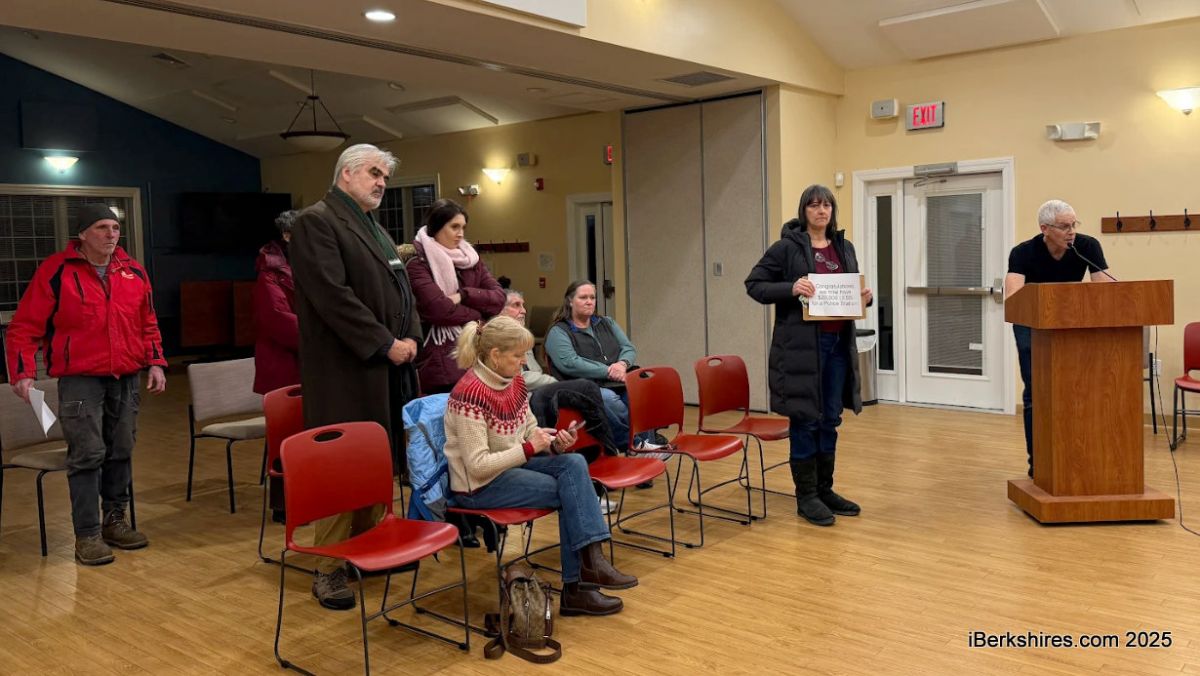
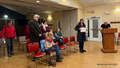
Superintendent Jon Lev, Business Manager Carrie Burnett and School Committee members Chairwoman Patricia Prengruber and John Solari attended the meeting, as did Town Accountant Donna Estes and Town Treasurer Ericka Oleson.
"In the past, for the 10 years I've been doing the school budget, we come in with whatever and it comes down to where the town's at and we find a way to do it," Lev said.
The school had already planned to use about $130,000 out of its school choice account, but to bring the budget down to $2,496,960 (a 2 percent increase over FY18) it would need about another $175,000. That would reduce the anticipated gap to between $50,000 and $60,000; town officials left open the possibility of asking for more from the school side.
The school currently has about $425,000 in the school choice account; another $320,000 is estimated to come in based on the governor's fiscal 2019 budget. Denault asked if it wasn't time to consider the school choice money as a regular revenue stream, rather than an emergency tap.
"I understand that you're utilizing some of that money but it's still building up at a pretty hefty pace," said Denault. "Maybe that's something that needs to be looked at, that this is a substantional revenue source for the town and if the school can continue to utilize it and keep a cap ... I don't expect you to draw it down to nothing."
Lev said it was possible the school would have to use more school choice funds because the tuition numbers to Drury High School are up from what was predicted a year ago.
School choice funds are part of the town's local aid and assessments, but they appear in different parts of the budget. School choice allows parents in Massachusetts to have some selection in the schools they send their children to. All towns have to allow children to "choice out" but schools can decide if they will accept school choice children and, if so, how many.
The base amount of $5,000 follows the child to the accepting school, along with any charges for special education. That shows up on the school department side of the budget and comes through the state; towns are charged on their side of the budget for the number of children school choicing out.
For fiscal 2019, the governor's budget estimates that the school will receive $320,850, about $70,000 more than this year; the town, on the other hand, will be charged $242,802, almost $60,000 more than this year, for students choicing out of the district and for those going to the charter school.
Lev said school choice really isn't state aid even though it's channeled through the state from the sending towns. The numbers are based on a snapshot of enrollment in October but the actual numbers aren't submitted until April. "They make it up in June if it's higher or lower."
Estes said state aid numbers often aren't firm and halfway through the year, the town has had to scramble to make up a difference.
"We rely heavily on state aid and in December, we found out we're not going to get $40,000, $50,000, $60,000 in state aid," she said. "We don't have any other revenue sources to make up that money this year. It's happened three years in a row ... we don't have a choice and we don't have any other revolving account that we can pull from."
Denault said the budget had to be looked at in totality, not as town or school. Money might going out one side and coming in on the other, but it's all part of Clarksburg's budget, he said.
"We can look at that as a standard practice moving forward," Burnett said of thinking of school choice as consistent revenue. "For Lenox, the money that comes in this year is put toward the operating budget next year and they maintain a certain balance."
The Finance Committee had asked to see all of the grants and other funding coming into the school and how that was used to offset salaries and programs. They also queried school officials about covering insurance for a few employees who also work in other North Berkshire Union schools. Lev said Clarksburg has generally covered insurance because the employees spend the most time here but he has broached the subject with the school committees about have them pay a share of cost.
The committee members will next look at the library, Council on Aging, town clerk, and other departments, and said they will be asking for the same information.
"We certainly did not not mean to seem we were setting up the school," Denault told school officials. "I want you to know that was not the case. We all have the same best interest in the town."
Tags: clarksburg_budget, fiscal 2019,