Pittsfield Council Ordains New Solar Regulations
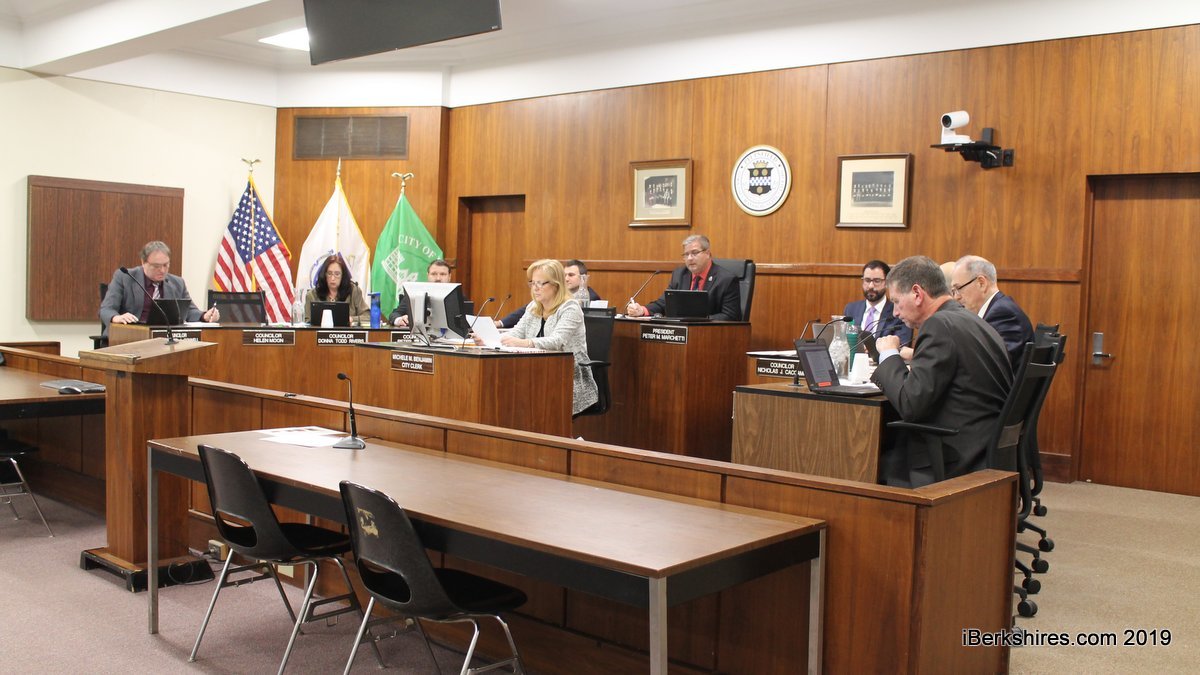
PITTSFIELD, Mass. — The City Council unanimously backed an effort to reduce the number of commercial solar arrays being installed in residential neighborhoods.
The Zoning Board of Appeals petitioned the council to adopt new rules guiding where solar arrays can be installed. The new ordinance breaks photovoltaic arrays into three sizes and guides the medium and large scale ones to commercial and industrial land.
"Commercial arrays have different impacts and don't belong in residential areas," Director of Community Development Deanna Ruffer said.
The hope is to reverse a trend in which 11 out of 14 commercial solar facilities have been approved in the city were in residentially-zoned areas. The new rules allow for residents to put panels on rooftops and small ground-mounted arrays under certain conditions in residential areas if the array is not the primary use of the property.
Permitting Coordinator Nate Joyner said it has become "increasingly popular" for solar companies to seek out residential land for commercial arrays and the systems proposed have been growing larger. He said while there is a lot of developable commercial and industrial land available, the residential spaces come at a lower cost.
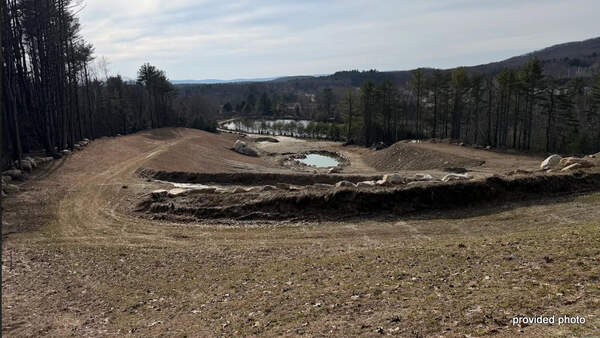
Michele Rivers Murphy had been part of an effort to oppose a solar array at the Pontoosuc Lake Country Club. The 6.5-megawatt proposal included some 18,000 panels in a densely packed residential area. That project was ultimately shelved because the company proposing it couldn't find a suitable access road that didn't infringe on wetlands. She said had that gone through, there would have been a tremendously negative impact on the area.
"You are changing the land us and essentially plopping a manufacturer in the middle," Rivers Murphy said of commercial arrays.
Resident Lewis Schiller, however, felt the ordinance went too far in restricting solar arrays. He feels there are places where the commercial arrays can go but the law shuts the door on that opportunity.
"I think this is just a NIMBY approach," Schiller said.
Schiller believes the restriction flies in the face of state guidelines and laws aimed to significantly increase the amount of renewable energy generated in the state.
Ward 3 Councilor Nicholas Caccamo, however, said that while the state Legislature encourages solar facilities, you wouldn't see commercial solar arrays in downtown Boston. He said Western Massachusetts ultimately has to "shoulder the most weight for the state's renewable energy goals." Ruffer and Joyner both added that the city is toward the top in the amount of renewable energy generated from solar, most of which is coming from residentially zoned properties.
Resident John Barry also opposes a "blanket prohibition" on such solar arrays because if it is appropriately screened, he thinks a property owner should have a chance to at least apply for a special permit.
The Zoning Board of Appeals had asked for a revamping of the laws because it felt it had been restricted in reasons to deny permits. The ZBA feels that some of the projects were approved despite potential negative impacts to the neighborhood because the reasons for denial were so limited.
"It is not a matter of trying to restrict solar but to deal with it in a way everybody can feel comfortable with where it ends up," said Community Development Board Chairwoman Sheila Irvin.
After a few questions about the laws, the City Council unanimously approved it.
In other business, the City Council again tabled a proposed ban on plastic grocery bags. The issue has been kicking around City Hall for close to six years and has not been tabled by the council on back to back meetings.
Tags: commercial zoning, solar array, zoning,