North Adams Finance Advises More Information on Sullivan Proposal
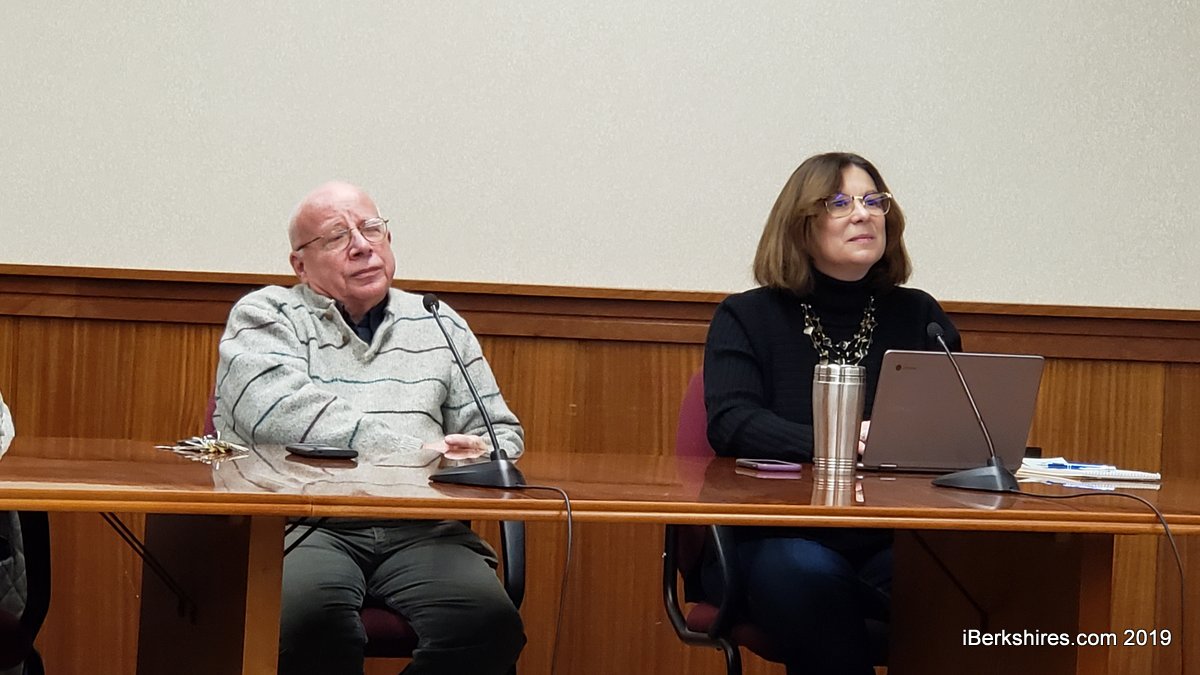
Finance Committee members Wayne Wilkinson and Chairwoman Marie T. Harpin want more information on the funding and time line.
The council put the sale of Sullivan School to the newly organized Berkshire Advanced Manufacturing Training and Education Center, or BAMTEC, on pause last week even as it approved the sale of two other city properties.
Councilors expressed concern over the purchase offer of $1 as well as the proposed $14 million in financing for the project and zoning, since the proposal referred to future maker spaces and business incubators in the residential neighborhood.
"I think the concept of what you guys are trying to do is absolutely wonderful. Whether we want to give you a building for dollar, I have a hard time swallowing," said committee member Wayne Wilkinson.
The training center proposal was selected by Mayor Thomas Bernard over a second bid of $50,000 submitted by artist and real estate developer Eric Rudd, who proposed to turn the school into artists studios. Rudd attended the meeting but did not speak.
BAMTEC principals offered more light on their plans on Wednesday to the Finance Committee, which consisted of Chairwoman Marie T. Harpin and Wilkinson. Member Rebbecca Cohen was absent.
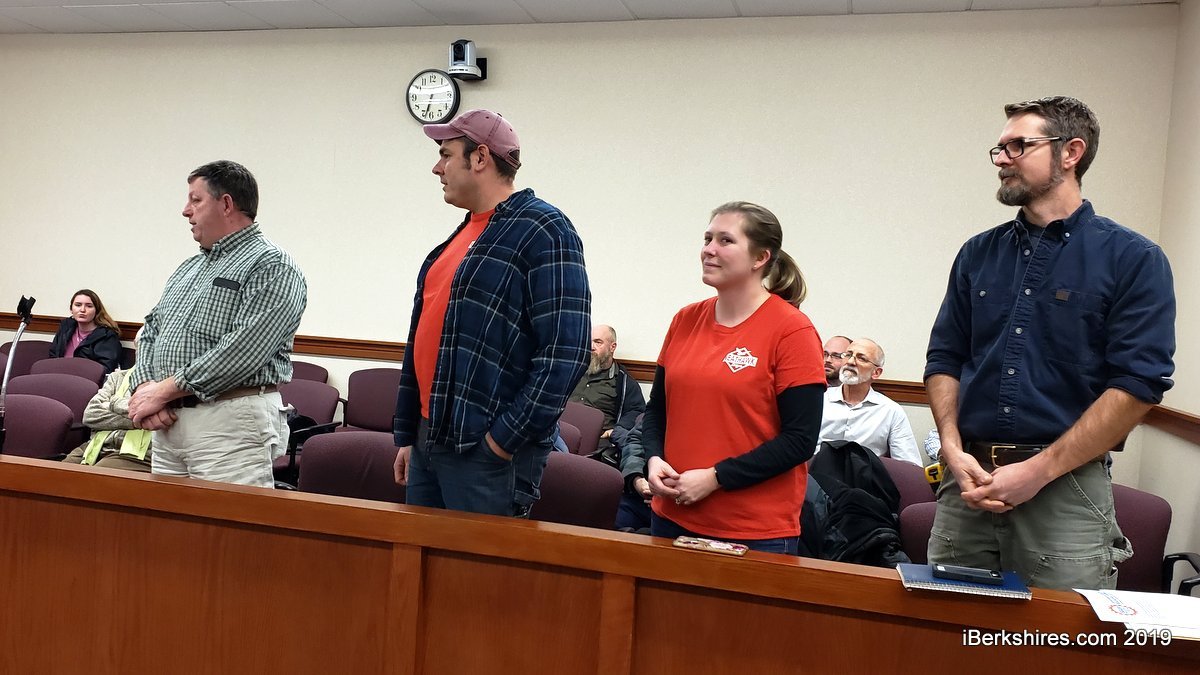
BAMTEC President Michael Therrien, Vice President Brad Dilger and board members Ryan and Lindsay Neathawk and Susan Therrien all spoke.
Michael Therrien, a computer aided design instructor at Franklin County Technical School, said the adult vocational program would be something of a hybrid of a similar concept in Greenfield. The Manufacturing Skills Initiative is a collaboration with Greenfield Community College and the technical school and offers up to 160 hours of CNC, or computer numerical control, equipment training.
"This is our sixth year and we have a 97 percent placement rate. Our average class size is around 15 and we try to focus more on
women and manufacturing ... lot of the advertisement is geared toward women to get them into the manufacturing realm," he said. "The second part of it is a maker space. ... what that does is that allows anyone who is a tinker, maker who wants to start a small business or maybe they're a crafter, or they're just an engineer looking to design or fabricate something, they can buy a membership into the maker space, which allows them free access to all the equipment there."
Therrien said the plan aligns well with the Berkshire Blueprint 2.0, which recognizes the need for a skilled workforce in advanced manufacturing.
"The training center really fills a need, especially in the Berkshires," he said. "Nationally, at any given moment, there's 35,000 job openings for CNC operators. We just can't put out enough operators."
The Neathawks, who run a custom design graphics and sign company, said they were largely self-taught on their CNC machines, and had to attend a course in North Carolina to learn to operate their newest equipment.
"When Mike came to me a couple years ago, about this idea, I wasn't quite ready. And then this past spring he came back, and like, yes, we need to share this, we need to bring in training," said Lindsay Neathawk. "There's many manufacturers coming to this area and they don't have the employees. There's not a big enough pool to pull out people to work in these jobs right off."
She acknowledged that McCann Technical School in North Adams and Taconic High School in Pittsfield offer training programs but said they were more geared toward high school students. The training center would offer more advanced training for students graduating from high school and could partner with the local colleges, she said.
Susan Therrien, Michael's wife, said he'd been working toward this for years.
"He's literally been banging his head, trying to find a place where he can share these kinds of interests and he's come upon this group of people that are just like incredibly talented and incredibly motivated," she said. "If this doesn't happen in North Adams, it will happen elsewhere."
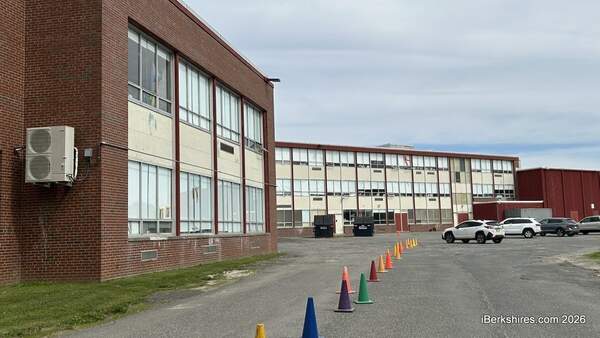
The group could not get into too much detail on how they would fund the center. Their proposal estimates $11 million investment in the 50-year-old school building and another $3 million in equipment. Neathawk said they were just getting off the ground a couple months ago when the city posted its request for proposals for Sullivan School. Had it occurred next spring, they would have been better prepared, she said.
Vice President Brad Dilger said BAMTEC is working on getting a 501(c)3 status, which will allow it begin accepting donations and equipment and source for grants. But they are really looking toward the area's manufacturing corps to help underwrite the venture.
"We've been talking to local businesses, about just trying to garner interest and get support and we have letters from 12 local businesses supporting our mission, supporting our plan," he said. "We've been talking to 1Berkshire, as has already been indicated, we've been talking to other finance development programs in the area who are very interested."
The group estimated 10 years to fully build out the center and at least a couple years and $2 million to get the building fitted out and initially functioning.
1Berkshire President Jonathan Butler, who was also in attendance, said the center would fill a gap workforce training identified by the state.
"Organizations like ourselves are relatively new to this, but they've also developed a dialogue with MassDevelopment, a dialogue with Mass AMC, which is the state's manufacturing collaborative, and those organizations on a state level are very familiar with this workforce crisis that we have in the Berkshires, and they know that this particular piece is a direct response to that," he said.
Dilger said the maker spaces and potential use by small manufacturers was a future phase and that the project would be addressing zoning. But Wilkinson, a longtime member of the Planning Board, said the residential zoning couldn't be changed.
Resident Peter May had concerns about noise and traffic in his neighborhood. The group did not anticipate more traffic than when it was an elementary school and Susan Therrien said they would be doing a neighborhood meeting. Resident Diane Parsons asked if at any point it would broaden the tax base. Dilger said it was hoped that having a trained workforce would attract and create new businesses, which would in turn mean more tax revenue.
Wilkinson expressed his concern that the city had other property sales that had lingered or fallen through, and said he didn't want to commit the building for a $1 and get it back two years later and have to demolish it.
Harpin cut off any discussion outside of BAMTEC's specific proposal and motioned to send it back to council and on to the mayor's office with Wilkinson's assent. The City Council next meets Tuesday, Nov. 26, at 7:30 p.m.
Tags: Finance Committee, manufacturing, Sullivan School, workforce training,