Cereus: A Night Blooming Chandelier
.jpg)
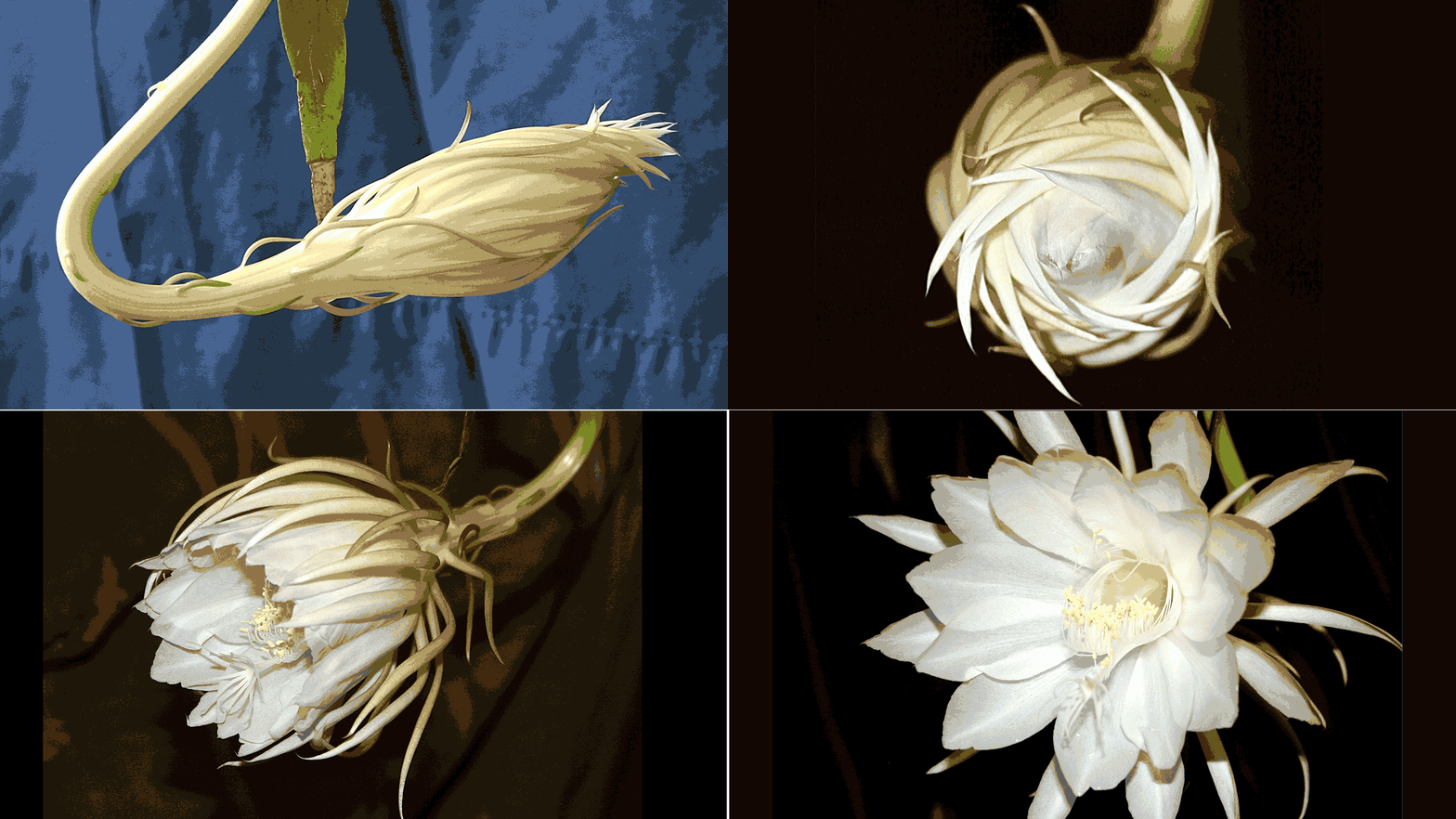
Cereus revealing opening petals and modified sepals.
Given time and the river flowing, nature has accomplished this miraculous mission. Can it pollinate itself by itself? Many plants can accomplish self-fertilization by means of parthenogenesis. Does cereus require external pollination via an insect, namely moth, beetle, or fly?
For cereus it is all or nothing: The elaborate flower opens only for one night.
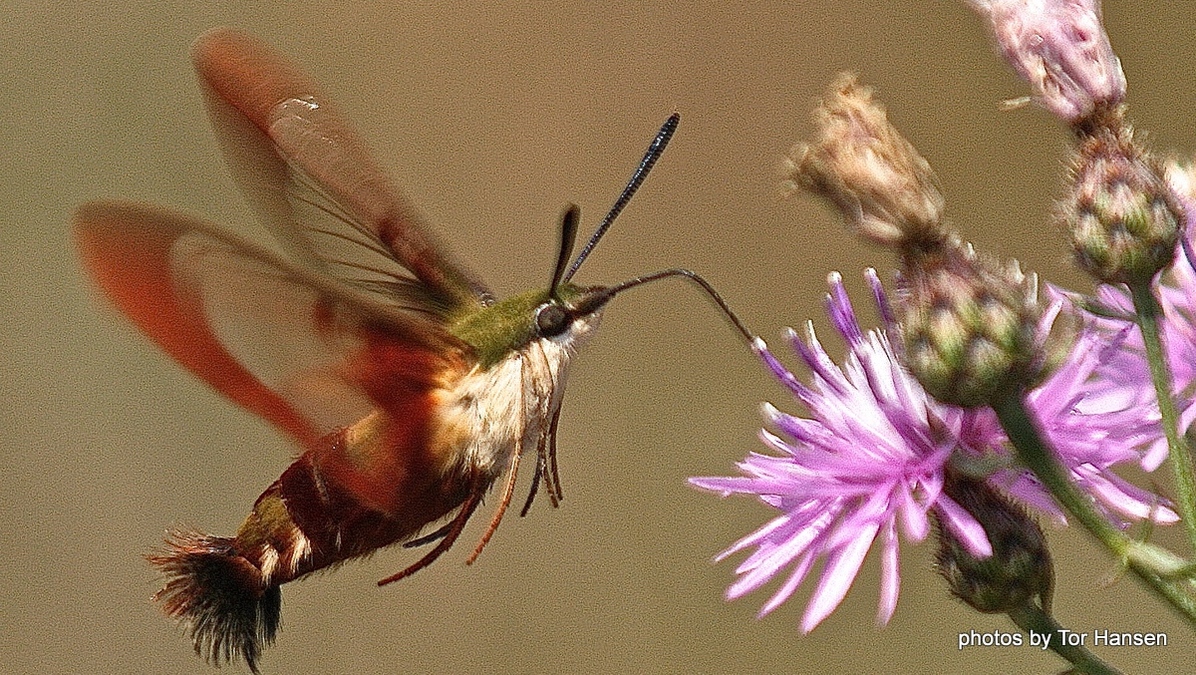
This superbly organized bundle of cellular tissue is constructed to attract a flying insect, likely a Sphinx moth that will brush up against the female organs when hunting for nectar located deeper inside the blossom. To my fantasy, the immaculate creamy white petals open to a circular gallery wherein the male stamens stand like exhilarated people aglow with yellow powdery hats, having just come out of Chapin Hall after a stirring musical concert!
Anticipating this eventual chandelier to take light, we will wait several days as the long-stemmed bud swells, sort of like a football filling with air pumped into reach ideal pressure. The bud appears as a complex spheroid enclosing the petals, surrounded with fleshy tentacles — the sepals. With compliments to the chef for such a great dinner, namely our creator, we can envision with a certain reverence for life, the accomplishment of provision and control invested in the DNA within the remarkable double helix. Try to perceive the evolving symbiosis, involving a night flying moth, bumblebee, bird, or bat drawn to this pantry to access the nectary inside the flower.
Female organs like stigma and style are positioned way forward, and perhaps a special scent attracts an insect to brush on pollen from another cereus within the same habitat. Likely this pollinator may have already pollinated other cereus that bloom on different nights, interactions that may strengthen gene pools. Talk about scent! Cereus emits a profound sweet fragrance, and has been the subject of much arousing conversation through successive generations. Certainly it will factor into luring the pollinator into finding nectar in exchange for DNA.
Picture those cereus without scent not attracting nocturnal creatures; those cereus producing aroma do attract night visitors, that is natural selection.
By comparison, researchers have followed Charles Darwin's educated guess that certain orchids that carry nectar in a deep seated part of the flower, called the tubular calyx, rather like a pint of ice cream stored way inside a freezer, requiring a long arm to grasp it.
True to prediction, researchers in recent years have discovered and photographed a nocturnal moth that unfolds its very long tongue (proboscis) and reaches deep within the calyx to sip nectar, and simultaneously brushes the fertilizing pollen onto the female stigma, where it will germinate with extraordinary speed, certain chemicals initiating cell division, quickly reaching the ovule to penetrate the egg and complete fertilization.
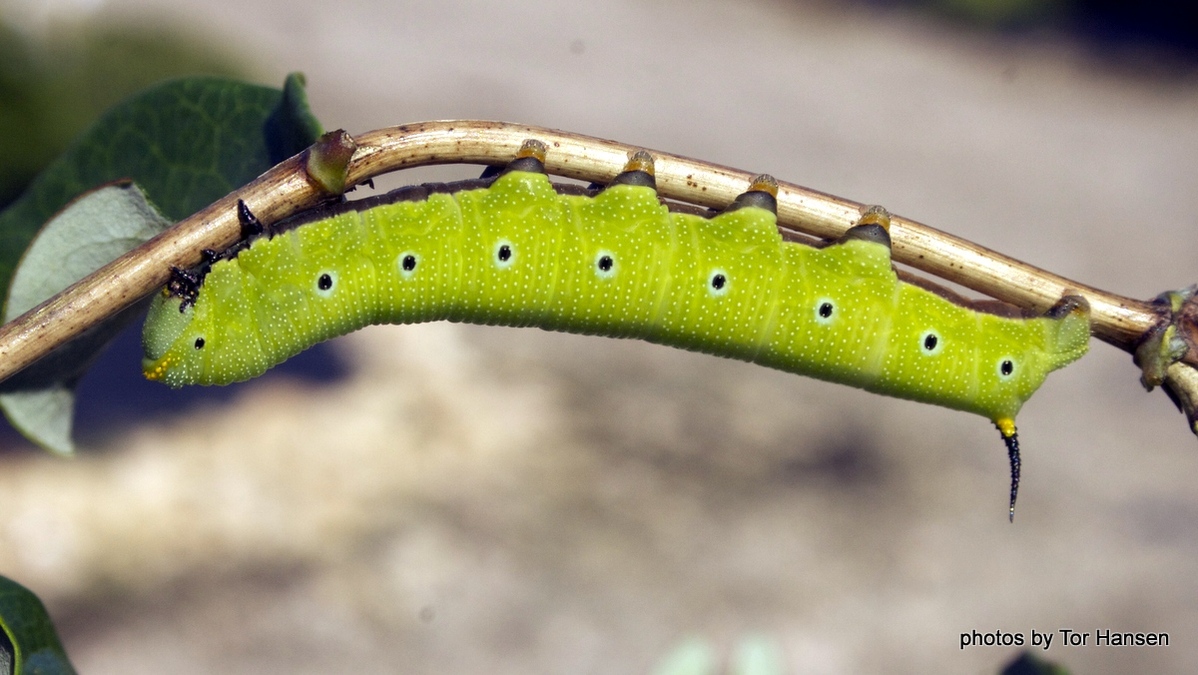
In Madagascar, Phillip DeVries, author of the book "The Butterflies of Costa Rica," engineered video evidence photographing the actual sphingid moth (family: Sphingidae) that fits the description of Darwin's prediction — a true feat of tangible co-evolution certainly among the greatest wonders of nature.
He predicted in South America that a nocturnal moth would likely pollinate an orchid with deep seated nectary. One can't help wondering how such a specialized moth evolved such a coilable or foldable proboscis, actually longer than its own body length. With an electric eye and camera placed 30 feet up in the orchid's tree, he waited, and presto. This discovery is available since 2002 for the public on DVD through Nova Corp.
More recently, certain researchers have succeeded to find much the same in Florida's swamps, a real nocturnal moth that acquires nectar and hopefully pollinates as it hovers at the elevated ghost orchids. Orchids since time immemorial have mesmerized many, and what appears to be madness in pursuit of solving the hidden riddles does bring us to great discoverers and better stewardship.
My first such encounter with a night-blooming cereus came about thanks to a gift from a friend, Alicia, who gave me this same cactus, likely Selenicereus grandiflorus (one of four known species), then only a few branching succulent stems, indeed leggy and sprawling in form.
Its growing pot was blessed by an amethyst crystal still adding a violaceous glow. Since then, with sparse watering, growth has burgeoned. And last, on Aug. 17, 2019, I noticed a pendulous stem dangling down underneath the stout frond above, something like a snake lowering itself from a branch, rather precariously suspended.
Moving it about could dislodge it after all that rapid growth and narrow peduncle.
Practicing patience, I moved the pot to achieve optimal light from a real chandelier above. True to form, the flower began to unfold about 7:48 p.m., before sunset. Using a flash built into my Canon Rebel Xt and a standard 55mm lens, my astonishment increased as the flower opened literally before my very eyes, yet slowly, reaching full bloom at about 10:15 p.m. A living glorious chandelier emerged!
As the night darkness wore on it appeared head on more like a frosty white water lily. Its pungent fragrance filled the sun room all night long. Since it does not glow much in the dark of night, but it will glow in moonlight, one may need a lantern for illumination. Let your nose lead you to a blooming cereus in its homeland Mexico, and stand by long enough to witness its pollinator: A moth, a beetle, or a bat.
Whether accidental or by intention, bats fly to night-blooming flowers, determined to extract pollen that provides some protein, including cacti like saguaros of Arizona and cardon of Mexico. Cereus provides such rewards for inadvertent transfer of pollen while they seek nectar for natural sugars.
Lesser long-nosed bats hover at the flower and have tongues long enough to reach deeper seated nectar, whereas a pallid bat can grip the blossom and push its head into the flower to reach the nectar inside. Meanwhile they can complete pollination as their fur and heads brush the female stigmas.
A Google search can pull up exciting research that shows some bats will groom their head fur and feed on the pollen grains. In an arcticle by Tim Stephens, both Winifred Frick and Kathleen Kay are credited with viable findings.
However, these plants bloom but a short duration, so pollinating animals must depend on other sources for serving their energy needs. Lucky for both; this co-evolution provides rewards for both fauna and flora, and may indeed indicate an interdependency as evolution advances. In stewardship, it is our duty to safeguard these living natural resources.
As research proceeds, more specific attention to pollinating moths can identify exact species, and reveal ways to insure their essential continuity. Study their ecology and we can better understand how we the people can preserve biological diversity and key habitats.
No need to look for them in the wild, night-blooming cereus can be purchased at nurseries.
Tor Hansen is a naturalist writer, photographer, and musician in North Berkshire County.
Tags: berkshire wild,