Pittsfield Board of Health Approves Emergency Order
PITTSFIELD, Mass. — The Board of Health has ratified the emergency order issued Friday requiring all food establishments to follow social distancing and facial covering protocols.
The order was put in effect to reduce the spread of COVID-19, a highly contagious coronavirus that's killed more than 70,000 Americans.
"We started to compose that order last week and then the governor came on and issued his own order regarding masks," Chairman Alan Kulberg said at the board's meeting held remotely on Wednesday. "His order took effect today and ours took effect May 4 ... we are more specific with facial covering and social distancing levels."
Mayor Linda Tyer made the announcement on Friday during her weekly broadcast that the city was making an emergency order requiring all food establishments to establish procedures ensuring maximum occupancy levels, social distancing, and facial coverings for employees.
That became effective immediately. A couple hours later, Gov. Charlie Baker announced he had signed an executive order requiring all workers in commercial, organizational and government facilities to wear masks if unable to socially distance 6 feet — and all customers and patrons as well.
Before this, there was only a set of recommendations but now there are a set of mandates with fines.
"We are not looking at this order ... with the intention of it being punitive for violations but rather for first offenses there would be a warning," Kulberg said. "We would make every effort to solve it with the establishment amicably with a conversation rather than slapping on a fine."
Those in violation will receive a single warning before fines kick in; a second violation will result in a $50 fine, the third $100, and all those after $300.
Police would be the enforcement agents of the order and would send citations to the Board of Health to consider.
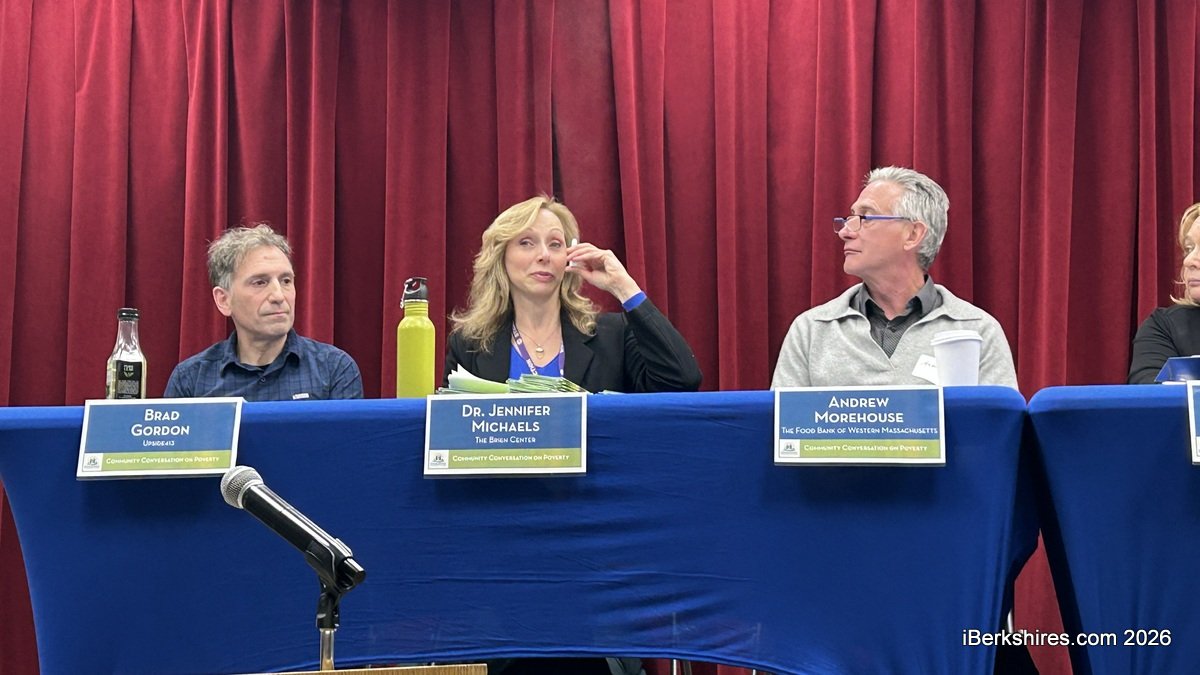
Board member Brad Gordon asked about food deliveries and the use of gloves. He thought the use of hand sanitizer would be more effective than delivery workers just wearing a single pair of gloves that could easily become soiled.
Director of Public Health Gina Armstrong said delivery employees would be asked to change gloves between deliveries.
"If they are on the road with multiple stops and they are lacking the handwashing ability, the expectation of frequent changing of gloves is there," she said. "Hopefully, restaurants are providing adequate training."
Gordon was also concerned about low-income residents who may be caught in public without a mask by the police.
Kulberg said he recently spoke with the Police Chief Michael Wynn and that he has asked officers to carry masks with them for this purpose. Residents do not have to — and should not — wear medical grade masks but rather cloth masks including bandannas and scarves that can be washed and reused.
Because it was an emergency order, the board did not have to take a vote for it to go into effect, however, it had to make a vote within 48 hours (in business days) to ratify. Kulberg said they may be a few hours over this limit but because of the situation, they were given a pass by the Department of Public Health.
"We were given some leniency because of the nature of the COVID issue," he said. "We may be a little over 48 hours but we are close."
Kulberg said, in general, he thought people were adhering to the new mask order and noted at a recent visit to the market, there were only a few people without masks shopping.
"Things are getting better," he said.
In other business, the board agreed to table a planned review of the Environmental Tobacco Smoke regulations and a meeting with a representative from infection, prevention and control until they can once again meet in person.
Tags: BOH, COVID-19,
More Coronavirus Updates