BRPC, Mill Town Unveil Outdoor Recreation Plan
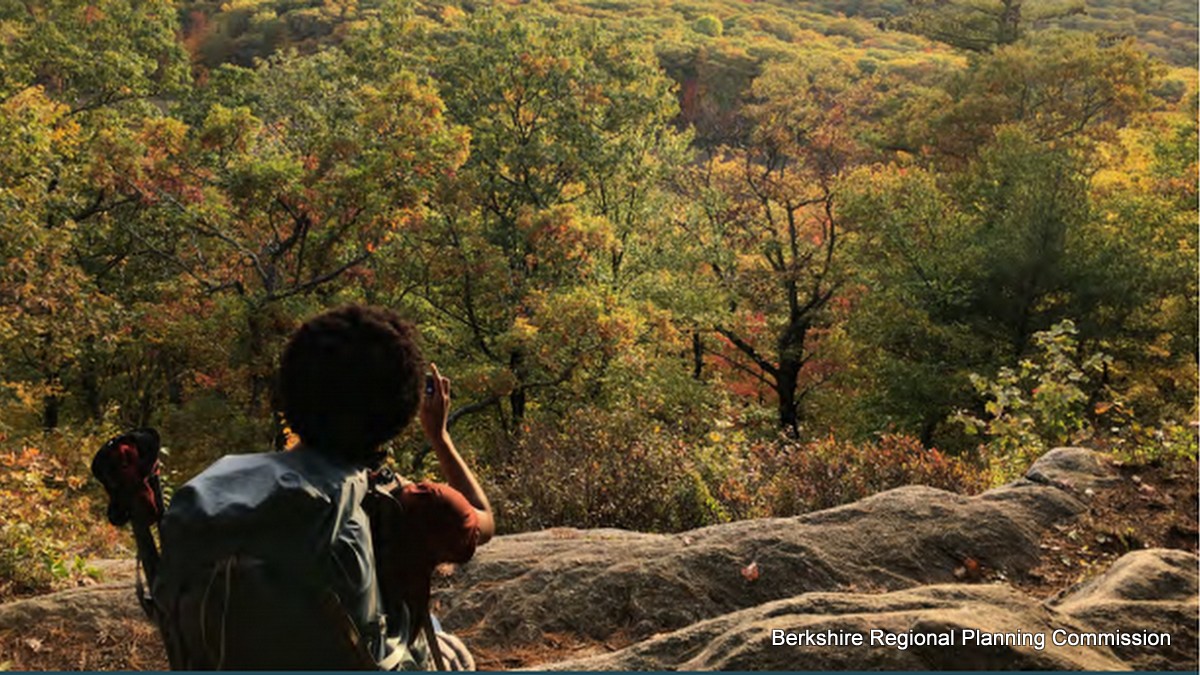
The Berkshire Outdoor Recreation Plan lists assets within the county and recommendations on how to leverage them.
Leaders from Mill Town, BRPC and local partners produced a 210-page report that outlines an analysis of the existing outdoor recreation landscape of the Berkshires as well as recommendations for expansion.
"We thought this was a really strong area to flesh out investment, philanthropic areas, and projects so we can just keep building a lot of momentum and infrastructure around the outdoor recreation economy," Caroline Holland, managing director at Mill Town, said at a virtual press conference held Thursday.
Holland said the outdoor recreation economy has been a focus of Mill Town, private investment group focused on investing in the Berkshires, for some time now and about nine months ago approached BRPC to help form this assessment.
"We asked them to sort of holistically look at what is going on in outdoor recreation in the Berkshires and put together an assessment," Holland said, "It provides recommendations based on what strengths there are and what opportunities exist."
Laura Brennan, BRPC senior planner, said some communities in Berkshire County have plans but many of them are outdated. She said there has never been a countywide plan.
"We wanted to be sure this was regionwide and encompassed as many activities as possible and Mill Town were really interested in having a broad perspective of what entailed outdoor recreation," she said. "A lot of this is to better connect those user groups already engaged and do a better job communicating amongst ourselves."
Mark Maloy of BRPC said basic research for the report meant contacting stakeholders and groups already utilizing Berkshire outdoor recreation opportunities. A survey was also sent out to county residents.
The plan takes inventory of exiting assets as well as points to opportunities for growth in activities like biking, camping, hiking, hunting, fishing, outdoor athletics, skiing, and water sports.
The panel touched on some of the highlights from the plan starting with the Berkshire Outdoor Recreation Festival that Holland said will be a weekend celebration of all things outdoors.
"New England has a ton of outdoor recreation enthusiasts but actually not many organized formal festivals so we thought let's do one in the Berkshires," Holland said.
This festival would be held in October at Hancock Shaker Village. Holland said it will include vendors, lectures, and organized outdoor activities and competitions.
She said some of the finer details are being worked out, specifically how to safely hold the event during the pandemic. She said they hope to hold the event annually.
Hanging Mountain in Sandisfield was also a point of discussion and
Jeff Squire of the Western Massachusetts Climbers Coalition pointed to the opportunities at Hanging Mountain in Sandisfield. His group had purchased the property last year in partnership with the Ragged Mountain Foundation and the Access Fund.
"It really represents the first climbing destination resource that will be managed specifically for climbers," he said. "There may be others in the Berkshires but Hanging Mountain is really the only one protected for climbers."
The organization will make 150-200 rock climbing routes available across 14 acres.
Holland noted that there is a thriving local rock climbing community and they hope to bring this activity to the level of skiing or biking in the Berkshires.
She said there are many other niche groups in the area that have existed for a long time and that could be connected with residents as well as tourists. Holland pointed to the thriving mountain biking community as well as a fly fishing group, and even a curling group.
Mackenzie Greer, director of public programs of the Berkshire Natural Resource Council, spoke to a longer-range project within the plan, the High Road, that will connect a network of trails and conservation land throughout the Berkshires with informative signage.
"It is a project built on partnerships ... there is an enormous amount of trail networks and we want to connect conservation areas and those trail systems more directly to downtowns," she said.
She said both residents and tourists would benefit from a trail network that will not only connect folks to nature but to Berkshire County downtown areas where they can enjoy cultural amenities.
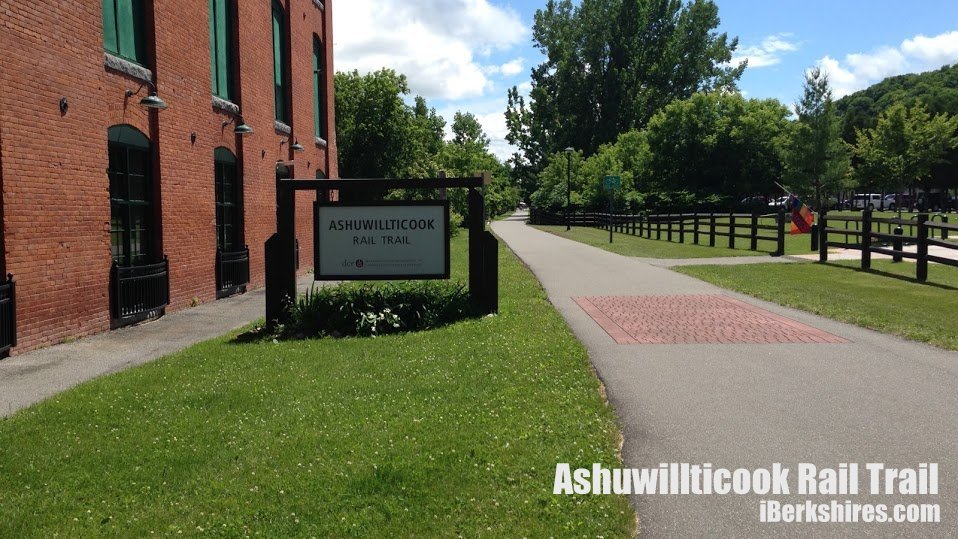
The plan also includes ongoing projects such as the Greylock Glen and the Ashuwillticook Rail Trail extension.
It also included more immediate projects such as the development of the Mahanna Cobble Trail that will run up Bousquet Mountain and include a permanent, four-season trailhead.
Like with other projects, COVID-19 remains a hurdle. However, the panelists saw an opportunity to make Berkshire County a destination.
"People really want to feel safe but they want to have fun and have some sort of escape so the message we are leading with this summer is let the Berkshires be your back yard," Lindsey Schmid of 1Berkshire said. "Because where is the first place we all escaped when this finally happened? When the sun came out in the spring when we were excited to get out in our back yards."
Holland added that when appropriate, they want to show that the Berkshires are a safe place to visit. She said with 605,637 acres of open space there is plenty of room for social distancing.
And, Schmid added, this can only improve the county's economy in a post-pandemic world with new economic challenges
The plan in its entirety can be found here.
Tags: conservation & recreation, outdoors,