Pittsfield Panel Wants Public Participation on Pot Growing
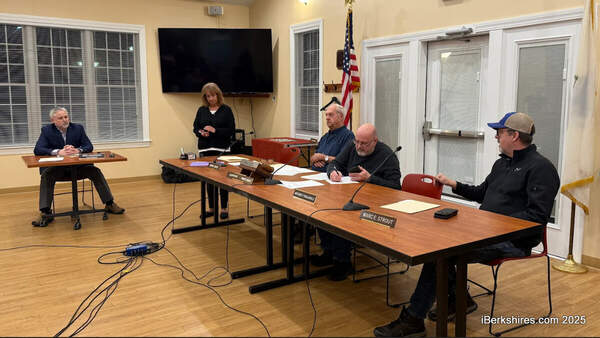
PITTSFIELD, Mass. — The Ordinance and Rules subcommittee will take up outdoor marijuana cultivation in residential zones once members can meet in person.
The subcommittee voted to table an agenda item Wednesday that would restrict marijuana cultivation in residential zones until meetings can be opened more fully to the public.
"I think it is important that we can meet in person," Chairman Nicholas Caccamo said. "If you attended the meetings before, there was a lot of community involvement and a lot of neighborhoods are involved in this."
In February, the Community Development Board acted on a petition from Councilor at Large Earl Persip III who wanted to restrict outdoor marijuana cultivation in residential areas.
The board looked at zoning amendment scenarios with different minimum lot sizes and setbacks, and elimination from specific zones. As the restrictions ramped up, cultivation was pushed farther out from the city center and the board was hesitant to all but eliminate outdoor cultivation in certain zones.
Instead, it compromised and recommended an amendment that would allow outdoor marijuana cultivation in residential districts as long as they are 500 feet away from homes.
Persip noted the pause will give them some time to see how the two approved outdoor cultivators work out and affect their neighborhoods.
"This gives us time to see what happens and the ins and outs of those two," he said. "We can learn from those."
Looking to the rest of the agenda, Caccamo said he thought the meeting was an opportunity to table other agenda items that have been lingering since COVID-19 shut down the city in March.
"Tonight's meeting is an attempt to kind of organize some of the items that have been circulating since the start of the pandemic," he said. "If we aren’t going to take them we can table them for a future meeting date."
These items included a review of the Youth Commission ordinance and an amendment to the city code to restrict panhandling in dangerous roadways.
The council also tabled an amendment that would establish alternate side parking in some areas of the city to allow time to gather more information.
The only item on the agenda the subcommittee actually recommended back the City Council were two amendments to Chapter 16, personnel, that simply modernized language and aligned them with current practices and state and federal law.
"The idea behind this was to really clarify the language that is in there," Director of Personnel Michael Taylor said. "There is a lot of old language in there and much of it dates back to when the city was fully under Civil Service and there is a lot of gender-specific languages."
It also would change the name of the department from Personnel to Human Resources.
"This better reflects what we are actually doing," he said. "I think human resources is more recognizable. If someone is looking for a job I think they will seek human resources before they seek personnel."
Ward 7 Councilor Anthony Maffuccio noted that the changes in some sections crossed out the City Council and the administration specifically in areas regarding changes in the job description. He felt the City Council needed to be involved in the process.
"The fact is we are trying to eliminate the City Council approval. We are the checks and balances," he said. "l ... why are we trying here once again to eliminate the City Council as an oversight board?"
Taylor said the changes really only reflect changes in language and the process will very much stay the same.
Currently, department heads make small changes to job descriptions. New positions or upgraded positions that involve a salary increase go to the Personnel Review Board then to the City Council.
This won't change.
"They would still come back to the City Council because of that step beforehand," Taylor said. "My goal of this really was to clean up the language and not have it so convoluted."
Maffuccio was the only councilor who voted in opposition to the change, however, the related vote that would adjust the compensation schedule in relation to the language changes was unanimous.
Tags: marijuana,