Letter: Postpone Pot Vote in Williamstown
 |
To the Editor:
Hello friends and neighbors,
Your elected Planning Board and the Agricultural Commission have displayed a remarkable amount of unity and thoughtfulness in the past few weeks as we emerge from the densest fog of the pandemic and the date of the town meeting grows near.
Two conflicting, confusing, and deficient articles are posted to the town warrant this year. The two articles were drafted without proper community input in one case and technical finesse in another.
Up until a few weeks ago, the Planning Board intended to ban outdoor cultivation of marijuana in Williamstown all together, pressured by NIMBYs and outside lobbying groups, during the most intense months of the COVID-19 pandemic. The Agricultural Commission, on the other hand, was urgently fighting for the interests of us, your farmers, to protect our ability to develop small, micro-growing operations that could add a much needed revenue stream to historically financially insecure farms, and drafted what some perhaps accurately call a sloppy and deficient bylaw.
I watched as the two sides finally came together to put forth, what I see, as a wise and prudent compromise — to ask that the town, you, vote to postpone both Articles 33 and 34 at the town meeting, with the intention to immediately draft a thorough and comprehensive new bylaw to meet the needs of all in our community.
Why is this the right choice? Because it's an honest acceptance of the disruption the pandemic has caused on our legislative process. Please, trust me as a good neighbor and maybe a friend, there is no grand conspiracy to develop massive outdoor marijuana growing operations in our town. In fact, there has been only one application in the three years that cultivation has been legal in Massachusetts and that application was withdrawn when the outside investors were faced with the hostile reactions of their potential neighbors.
Despite circulating rumors, there are no plans to develop the land behind MGRHS (I should know, my family owns and operates that farmland), and land that is held in an APR — much of Williamstown farmland thanks to the hard work of the Rural Lands Foundation and the Trustees of Reservation — is restricted from ever being developed for marijuana cultivation. There are strict and extensive regulations put in place by the state that regulate the size and location of marijuana cultivation sites. Both the Agricultural Commission and the Planning Board recognize that our town needs more specific zoning bylaws to balance public interest, but not at the expense of keeping farmland green and open. It will be a top priority of the Planning Board to draft a new bylaw with input from the Agricultural Commission to add the important regulations that are needed on indoor and outdoor growing operations that don't take away economic opportunity from local farmers.
Why is it harmful to our community to ban outdoor growing now (Yes on 33/No on 34)? You may have seen the flood of Instagram and Facebook ads spreading misinformation and using fear-mongering tactics to scare residents into banning outdoor cultivation. You may have also heard that voting Yes on 33 and No on 34 is an "extension of the temporary pause on outdoor growing."
We, as farmers, don't believe those claims or trust their source or intentions. We don't know who is making them since they've veiled themselves behind outside funding and organizational structures and if they can't name themselves, in our close, caring community, then why should we trust what they have to say? We don't believe that the mysterious group behind the push to ban outdoor cultivation only wants a "temporary pause." No, we believe that they want a permanent ban on outdoor cultivation, which is likely if 33 is passed and 34 is not.
A new bylaw will need to be brought to a future town meeting and will require a 2/3rds majority to overturn the ban. The money and effort that is currently being funneled into extending this ban is indicative of a future intention to keep the ban in place. There are years of wasted economic opportunity at stake in this vote. The trend of failing farms in Massachusetts is dire. The so-called "threat" of major growing operations in Williamstown is not. Farmers, without any other options, are selling their lands to developers, parceled out as building lots, and lost from our beautiful landscape forever. Each year a ban is in place is a year that we risk losing our rural, open lands.
On Tuesday night, I urge you to heed the bipartisan recommendations of your Planning Board and Agricultural Commission, vote to postpone both articles, and trust that the leadership on these committees honestly have the best interests of our town at heart.
Please accept my sincerest gratitude for your time and consideration,
Sarah Lipinski
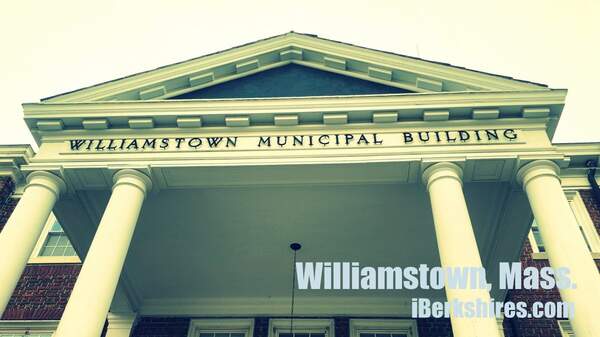
Williamstown, Mass.
8th Generation Farmer of Sweet Brook Farm
Tags: marijuana, town meeting 2020,