Homelessness Advisory Committee Talks Permanent Supportive Housing
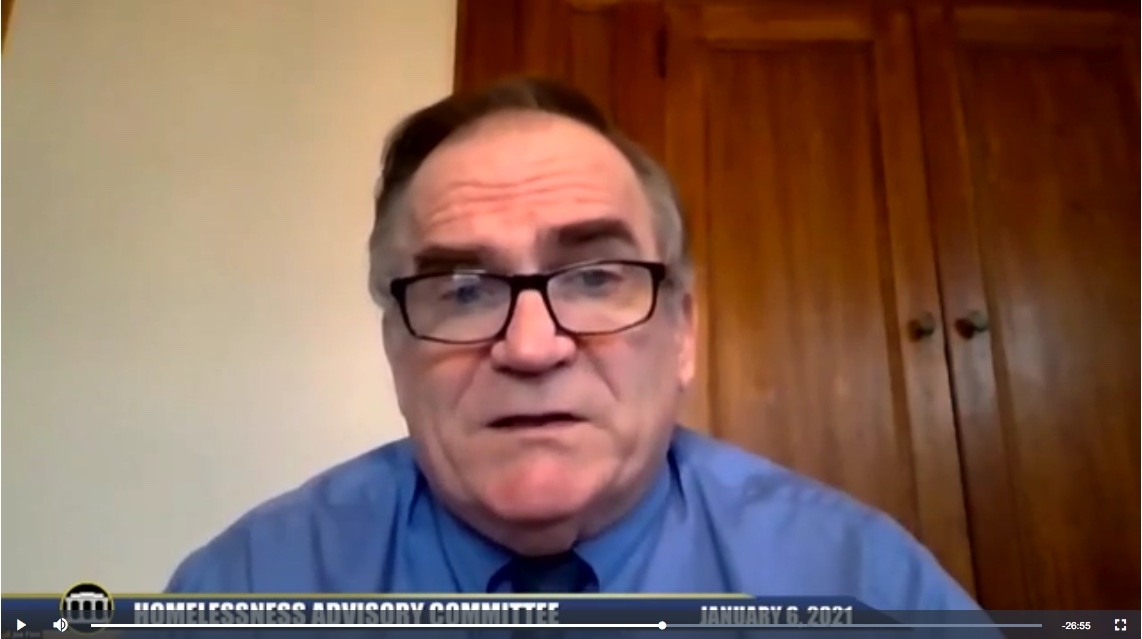
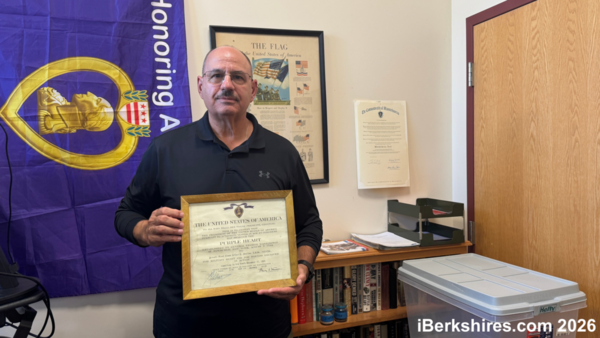
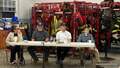
Joseph Finn,, president of the Massachusetts Housing and Shelter Alliance, talks too the Homelessness Advisory Committee on Wednesday.
The Massachusetts Housing and Shelter Alliance outlined the pilot project, called "A Place to Live," to the Homelessness Advisory Committee on Wednesday. The nonprofit's President Joseph Finn said the organization is working with Mayor Linda Tyer's office to create housing that he says is a cost-effective model of permanent supportive housing that can be replicated across the state.
"Right now, do we really need people living one, two, three, or four years within a shelter?" Finn said. "We can do better than this."
MHSA is receiving about $150,000 per year for the next five years to help fund this project.
A Place To Live is also referred to as the "Worcester Model" because, in June 2020, Worcester Housing Authority became the first agency in the state to receive permits and state approval for adopting the micro-unit concept. A Place to Live: Worcester will provide permanent supportive housing for adults experiencing long-term homelessness with 24 rooms for single adults and one room for a live-in house manager.
In this housing complex, a case manager will help tenants access behavioral health services, primary care, job training programs, and addiction treatment. The building also will offer easy access to transportation and other amenities and is expected to be ready for tenants at the end of 2021.
The four Massachusetts communities targeted for this project are Lowell, Worcester, Brockton, and Pittsfield.
MHSA was recently funded with the grant through the Massachusetts Community Health Fund. This fund provides an opportunity to address the root causes of health inequities in communities across Massachusetts with Health Resources in Action (HRiA) acting as the fiscal agent and is responsible for facilitating the planning and implementation of both funds.
These are dollars that come from larger hospitals and are re-invested into the community to address issues around health equity across the commonwealth. This funding is intended for communities that often don't get access to critical and important resources.
MHSA's grant for "Policy, Systems, and Environmental Change" targets social determinations of health, addressing specific things that stand in the way of health equity for impoverished and disabled people of the commonwealth.
Finn, who has been working on the issue of homelessness for about 30 years, said the key social determinants of health are housing for people experiencing homelessness.
"How are we supposed to achieve so-called integrated care of health when somebody doesn't even know where they are going to be staying that night," he said.
The focus of the project is to achieve a state of "function zero," which indicates that homelessness in a given community is rare overall and brief when it occurs.
By building micro-units specifically designed for permanent supportive housing, Finn said that a wealth of money would be saved as compared to renovating pre-existing housing for that purpose.
According to Margulies Perruzzi Design firm, which came up with the design concept for the housing units, the real problem in addressing housing for people experiencing homelessness is that organizations are always retrofitting and revamping old housing, which is incredibly costly, and have never stopped to think about ways that one could design and build housing that meets the needs of what people are experiencing.
Finn said there would always be a shelter component that is needed in communities, but permanent supportive housing is the first step that needs to be taken toward achieving health equity in the Pittsfield community.
"I have to say, Berkshire County Regional Housing Authority enjoys a wonderful partnership with MHSA with our rapid rehousing program," Chairwoman Kim Borden said to Finn. "I feel like you could probably talk to us for another hour just to expand on all of your thoughts and ideas and the programs that we're looking at moving forward, so thank you for that."
Tags: homeless,