Pittsfield Health Subcommittee Asks for Update on GE Cancer Study
PITTSFIELD, Mass. — Representatives from the U.S. Environmental Protection Agency say the capped of General Electric landfills are not harmful, yet the last public health study that was conducted in relation to them was in 2008.
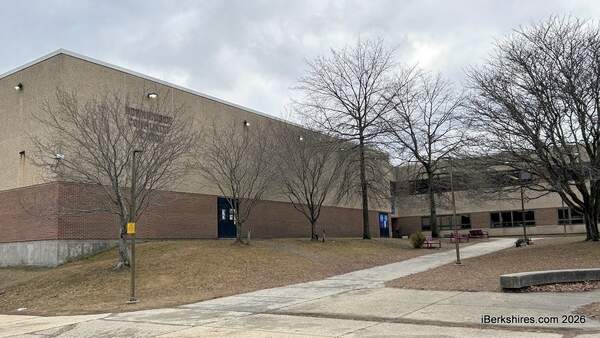
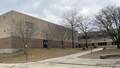
After receiving a presentation about environmental monitoring activities from the problematic landfills that abut Allendale Elementary School, the City Council's Public Health and Safety subcommittee requested that the state Department of Public Health provide an updated study on cancer cases in that area.
The committee was shocked to find out that a study of this nature has not been conducted since 2008, while Hill 78 and Building 71 were capped and have not been in use for over 10 years. Since the GE Housatonic Public Health Assessment was released in 2008, there have no further evaluations of cancer incidents in the Allendale area.
"There has been quite a few cases over the years of people getting sick and having cancer," Ward 2 Councilor Kevin Morandi said.
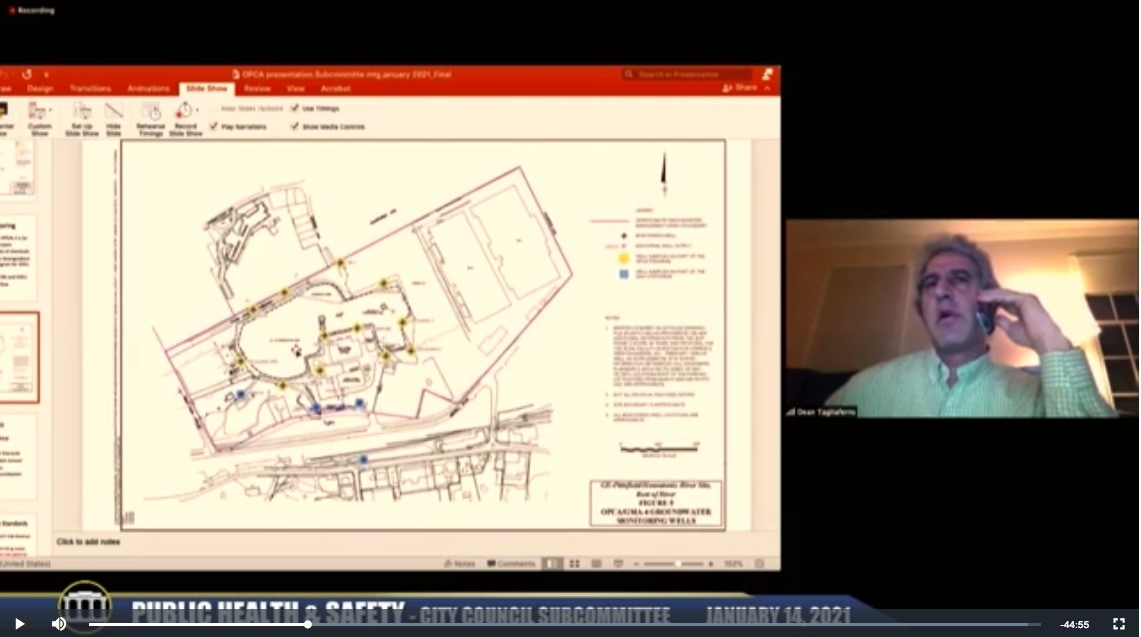
The EPA's Remedial Project Manager Dean Tagliaferro gave a presentation on monitoring results over the last two years. In summary, Tagliaferro said GE is conducting required long-term groundwater monitoring overseen by the EPA and state Department of Environmental Protection with support from the Mass DPH, and that there are no significant changes in data since February 2019 report to the subcommittee.
Tagliaferro added that there is no impact to the abutting Allendale School, no exceedances of groundwater beyond state Contingency Plan Standards or of Decree Performance Standards for polychlorinated biphenyls or volatile organic compounds and that monitoring has shown there is no threat to occupants of existing buildings or surface water.
Also in attendance were representatives from the EPA, Mass DEP, and Mass DPH. GE was invited to this meeting and has been invited in the past but chose not to send a representative.
In November 2020, a presentation of environmental monitoring activities from General Electric was given to the subcommittee after Morandi petitioned for annual updates on the conditions.
Director of Public Health Gina Armstrong presented the update on environmental monitoring activities from February 2019 through October accompanied by Julie Cosio and Caroline Stone from the state Department of Public Health.
In this presentation, the monitoring program for Hill 78 and Building 71 didn't show anything of concern, according to state and federal agencies overseeing the program.
Morandi was displeased that representatives from the EPA, DEP, and especially GE couldn't be at the meeting for the presentation. His petition specifically included a request that a representative from EPA or DEP was present to answer questions.
This is what brought Tagliaferro to the Public Health and Safety meeting for a presentation.
Groundwater monitoring is done twice a year, in the spring and fall, which includes a sampling of 12 wells that surround the on-plant consolidation area (OPCA.) These samples are analyzed for an extensive list of chemicals including volatile organic compounds, semi-volatile organic compounds, metals, and PCBs. These 12 wells go around the perimeter of Building 71 and Hill 78 and have been sampled for 14 to 20 years.
In the last two years, there have not been any exceedances of groundwater benchmarks, which protect human health from vapors or gases emanating from the surface of groundwater and migrating into occupied buildings.
Tagliaferro recognized that the committee has a lot of concern for monitoring near Allendale School. He said water from the OPCAs flows south away from the school and that there are three wells between Allendale and the landfills.
In the last two years, two of the wells were non-detect for perchloroethylene (PCE,) trichloroethylene (TCE,) and PCBs. In the third well, PCE was detected once out of 29 events of testing. Tagliaferro claimed this to be very low to nonexistent contamination.
He also said the EPA has conducted air sampling twice a year for the last three years and was done more often when the landfills were operating. In the last 10 years, there have been reportedly extremely low levels of toxins around the school.
"Allendale has been extremely low," Tagliaferro said. "We feel that the air that we're measuring is so low that even if there were no filters and if the kids were breathing that air there's no threat, there's no risk."
Both Ward 1 Councilor Helen Moon and Morandi were concerned that there hasn't been a study analyzing cancer and illness in the Allendale area for over a decade. They requested to have the DPH begin the initial stages of composing this data.
Tags: General Electric, PCBs, toxins,