MassWildlife Asks Public Not to Feed 'GE Deer'
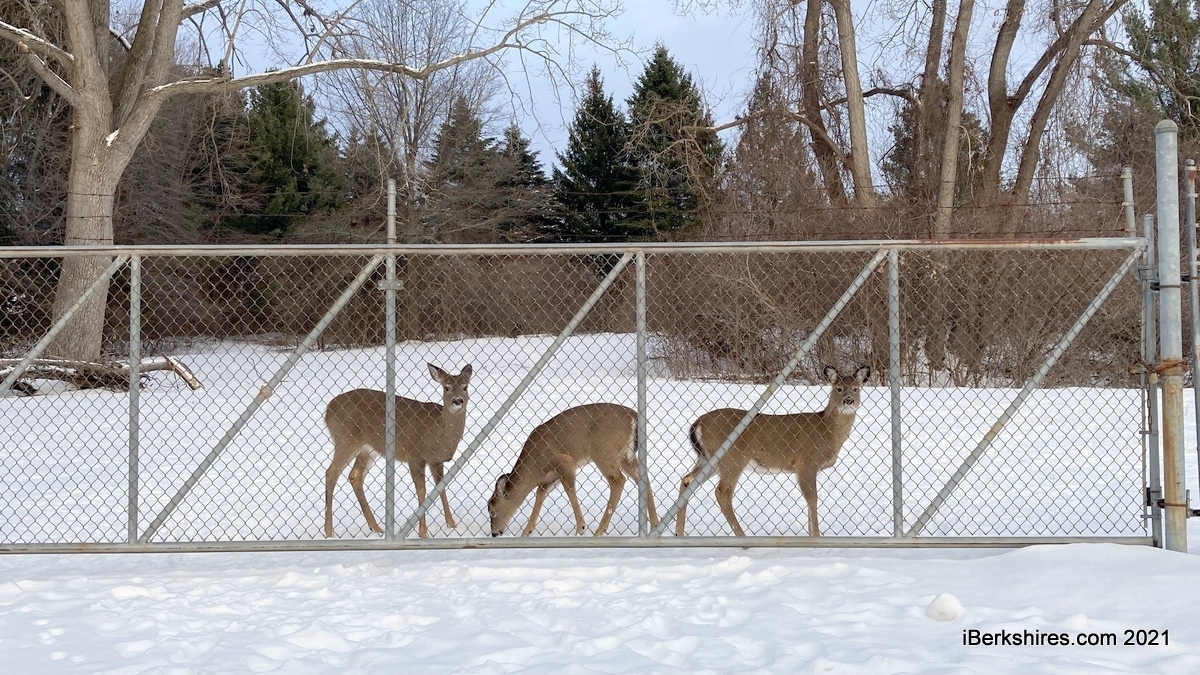
PITTSFIELD, Mass. — If you have ever driven down New York Avenue and seen the deer grazing behind the fencing that encases General Electric's property, it is likely that you have been inclined to feed them.
Though this action is rooted in kindness, it is not healthy for the woodland friends and could be fatal, which is why MassWildlife has put up signs asking that residents do not throw food over the fences.
"Obviously, people see the deer in there and they probably think 'what are they going to eat? They're limited in there they're stuck in there.' I will say, they're definitely not stuck in there," MassWildlife's wildlife biologist Nathan Buckhout said.
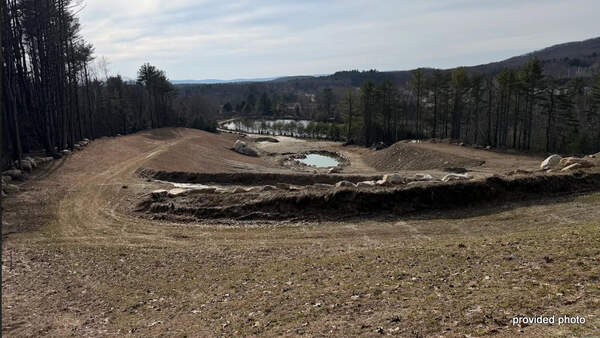
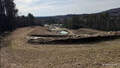
For decades, the deer have found an unlikely sanctuary in the former GE site that includes two landfills, Hill 78 and Building 71. Buckhout explained that they have been there for decades, spawning offspring and becoming completely self-sufficient within the fenced area.
"They're doing just fine," he said. "And they obviously are getting enough food and water, otherwise their population would be limited, they wouldn't be able to produce their offspring so there would be fewer fawns, and eventually they probably would have disappeared — but they haven't."
In this area, they are protected from predators and able to survive on the resources they have.
Feeding the deer is a health hazard because their gut bacteria changes over time throughout the season so they can break down different types that are available. By providing outside food, people are interfering with the cycle that their stomach goes through for survival.
In the summertime and in spring, there's a lot of greens available, while in the winter deer are eating the layers underneath bark, twigs, or little buds that pop up from the ground. This requires their stomach to break things down differently.
Buckhout has been with MassWildife for five years, but before his time there was deer who died of an exploded stomach from being fed.
"So when you throw a bunch of say corn or grain or something like that out there the bacteria in the stomach isn't ready to handle that and it can cause bloat amongst other things which can kill the deer," he said. "And what will happen is the deer will die with a full stomach because the bacteria won't break it down on the inside of it and eventually it will kill them."
Buckhout has seen Subway sandwiches and loaves of bread being thrown to the deer, which is troubling. Even though these foods are not healthy for them, they will most likely still eat whatever is provided.
There is reportedly a lot of new growth within the property that keeps coming up including a lot of leafy trees and grass, and if they don't have enough food in there they can leave through a partially opened gate in the back of Allendale Elementary School or by jumping the fence.
Buckhout imagines that the deer are smart, going into the schoolyard or people's back yards to graze in the night time and returning to the safety of their home immediately. He says, amazingly enough, they are finding enough food, and supplemental feeding is not recommended at any time of the year.
Though the deer's stomach bacteria is the biggest reason they should not be fed, the food may also attract unwanted predators or other domestic animals from the outside. Currently, the deer are not at risk from any species within the area. Hunters and cars are the biggest predators for deer, which they don't have to worry about on the private property.
"I think they tend to stay in that area and there really isn't much, domestic dogs aren't going to get in there, there's probably a coyote that can sneak around but again it's not a big threat to them," Buckhout said. "It's probably one of the safest places for them, especially to have young because there's just nothing happening in there."
Feeding could also result in a higher volume of wildlife occupying the area, which could result in a shortage of food. This could also spread disease and other health issues or cause the deer to cross roads more frequently and create a behavior that is not going to help them in the long run.
"Let's say that someone is feeding deer, bears, or turkeys year in and year out and then say they move, and then the new people come in and now all of a sudden these animals are looking to them for food and they don't have it."
MassWildlife puts up signs asking for the public not to feed the deer almost every year. They are often taken down by people or by the elements, which requires them to be replaced often. The signs are applicable all year and for all types of food.
Buckhout said if a person wishes to help the deer population, native plants, native trees, or things they like to eat naturally that would not attract predators are ideal.
He acknowledges that people want to feed the deer out of the best intentions, but the reality is that the deer population has been on the GE property for millennia and whatever they are doing is working just fine for them.
"It's just generally better to not feed wildlife," Buckhout said. "Simply because the nutrition and the stuff we're going to give them is probably nowhere near what they're actually getting."
Tags: deer, wildlife,