Census Change Will Determine How Rural, Urban Berkshires Is
PITTSFIELD, Mass. — The Berkshire Regional Planning Commission is starting the process of reviewing proposed changes what designates urbanized areas in the Census and will possibly be drafting comments for consideration due on May 20.
"We're just at the beginning," Planner Mark Malloy told the commission on Thursday. "We have a lot of research and discussion and investigating to see how this is going to impact us."
Data from the 2020 Census will be coming out in late September or early October and the new version of the "urbanized" Berkshire County will be released in the winter, which is why comments are being solicited at this time.
There are both positives and negatives to this re-designation. Areas that rely on these factors include grant programs, Metropolitan Planning Organizations (MPO) classifications, and public health.
Some grant programs rely on this designation, Executive Director Thomas Matuszko explained, and there are various grant programs that cater to rural areas that don't have that designation.
"We're not ready to make a recommendation if we want to provide comments and if we do, what those comments should be," Matuszko said.
On Feb. 19, the Census Bureau put out a notice outlining the proposed criteria for defining urban areas based on the results of the 2020 Decennial Census with a request for public comment on the proposed criteria.
The Census Bureau defines urban areas after each decennial census by applying specified criteria to the Census and other data. Since the 1950 Census, the bureau has reviewed and revised the criteria as necessary to improve the classification of urban areas by taking advantage of newly available data and advancements in geographic information processing technology.
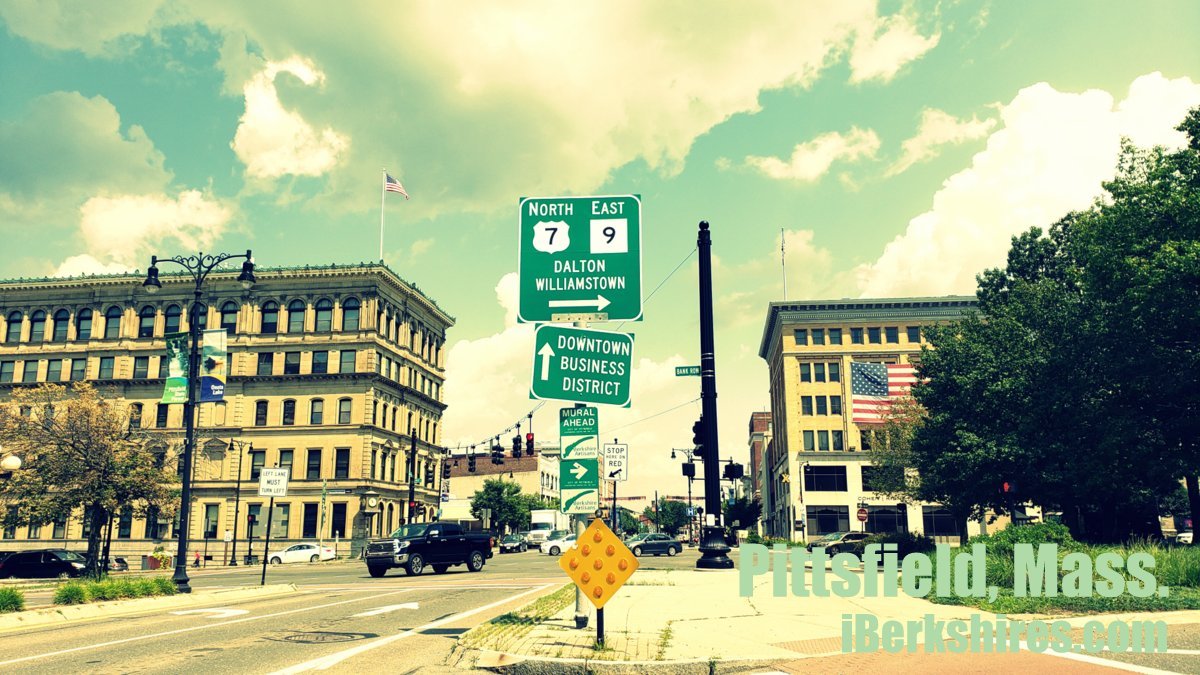
An urbanized area is a densely populated area that is created by advanced geographic information systems (GIS) modeling. The Berkshire's current urbanized area is most of Pittsfield and Dalton, little bits of Hinsdale, Lenox, Richmond, and Lanesborough, a corridor that goes through Cheshire, and most of Adams. This is usually called the Pittsfield Metro Area.
"Urbanized areas have over 50,000 people," Malloy said. "We are just over 50,000, we're around 55,000 right now."
The proposed changes will switch from a population base to a housing unit base, which Malloy said may actually benefit the county because it has a lower population per household than the nation.
It would also incorporate all second homes, which can help increase the size of the area.
There are reportedly a lot of unknowns as to what the future urbanized area will look like.
"Something called 'hops and jumps' will be changed, the impact of this we may end up losing Cheshire and Adams from our urbanized area. Because of that, the urbanized area may drop below 50,000 which is a concern, and then there's a number of other smaller changes in how they classify some things," Malloy explained.
"There is the possibility that the urbanized area will lastly jump to include Lenox metrics. We'll have Lenox, Lee, and lastly, a little bit of Stockbridge included within the Pittsfield urbanized area, which would put us back over that 50,000 threshold."
Malloy added that there are also some U.S. Department of Agriculture grant programs that would benefit from being urban and rural and Berkshire Medical Center may experience an impact resulting from an area no longer classified as "urban."
Right now, Fairview Hospital in Great Barrington is considered "rural," he explained, and it receives a higher reimbursement and BMC, which is considered urban.
"And so there are lots of implications of this," Malloy concluded. "We're just starting to dig into it. We're not sure how big this urbanized area is going to be."
Tags: BRPC, census,