Pittsfield O&R OKs Downtown Creative District Rezoning
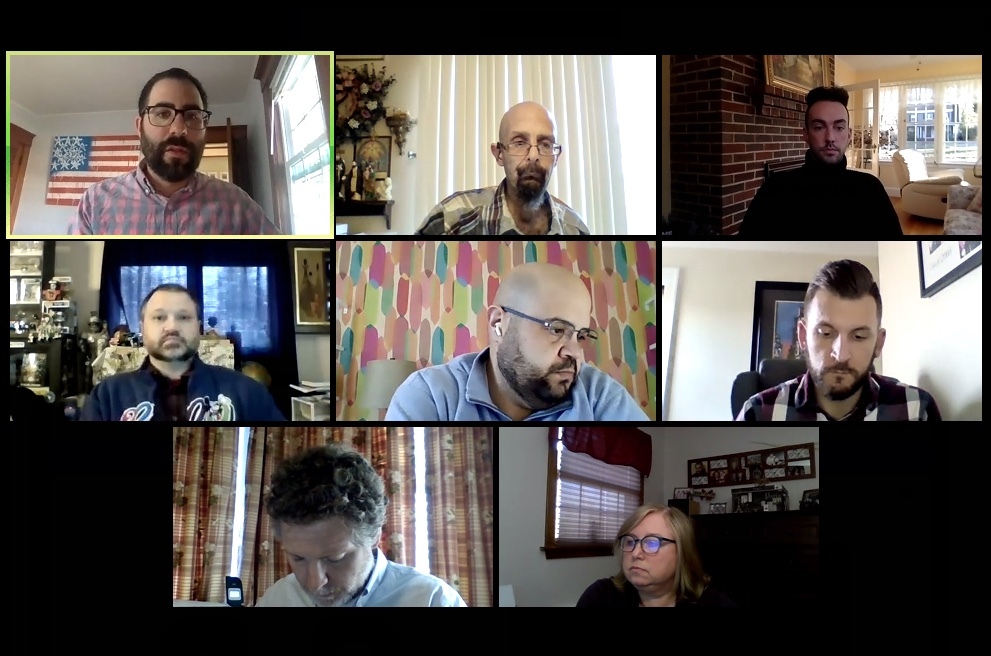
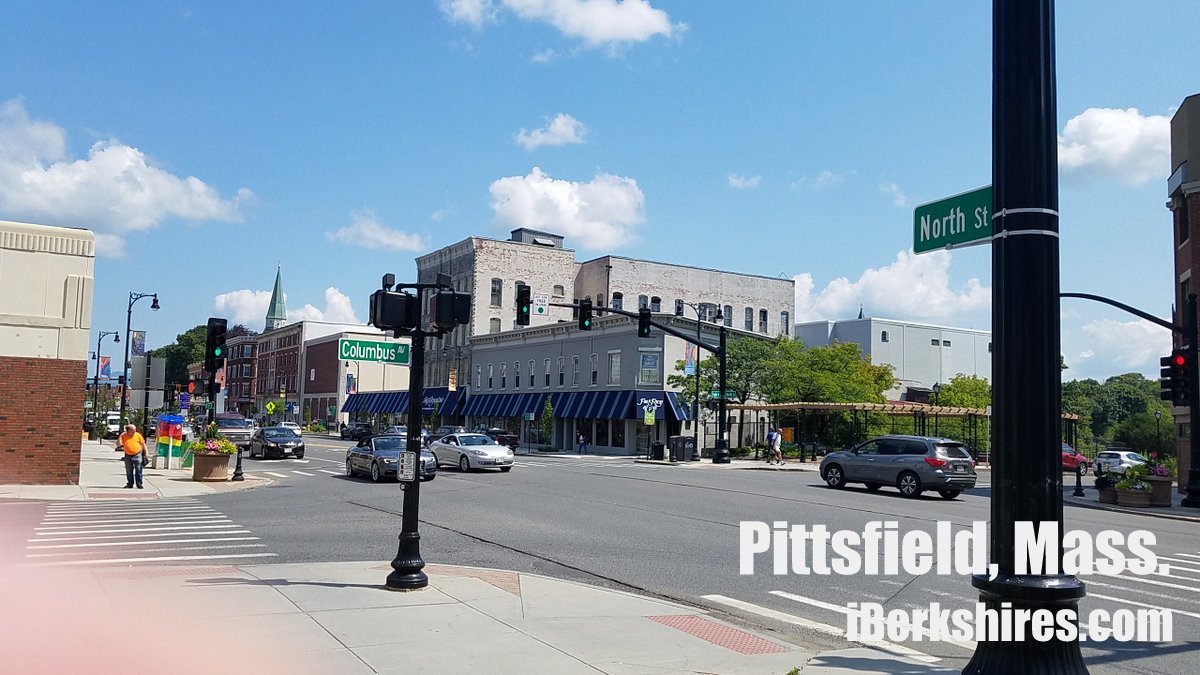
PITTSFIELD, Mass. — The Ordinances and Rules Subcommittee on Monday unanimously voted in support of creating a "Downtown Creative District" that highlights the historical design elements of downtown Pittsfield and encourages a mixture of uses to drive creatives and foot traffic to the area.
Last month, the Community Development Board supported this zoning district amendment and sent a recommendation to the City Council, which referred it to the O&R subcommittee for review.
"When we're reviewing development, what we're thinking about development, we are trying to promote Pittsfield as a place to do business and to construct residential projects, commercial projects, lot of that is based on regulations that can go back into even the 1950s and there there are a number of reasons why that's not good for for the community," City Planner CJ Hoss said.
"When we make zoning changes, we're trying to modernize and think about new uses, whether it be solar development, or just dealing with our floodplain regulations and things like that, we're really just trying to update and modernize a lot of our ordinance."
The new zoning aims to support a vibrant, mixed-use, pedestrian-friendly urban downtown, determine the best way for the city of Pittsfield through its land-use boards to control the appearance of future development in the downtown, and replace existing overlay and underlying districts with a form-based code.
It will remove and replace the downtown arts overlay district and the downtown business zoning district.
The ordinance's development began in 2018 and was guided by a steering committee that consisted of a range of downtown stakeholders, property owners, business owners, and downtown building real estate representatives..
Hoss spoke to the current permitting process for mixed-use buildings that reportedly often delays projects 60 days and said the new process is meant to be "as streamlined and predictable as possible."
"The existing overlay district was created in the early 2000s and adopted in 2004, and that's really helped guide a lot of development and it's worked well but when you look at a lot of the projects, just speaking to my tenure in the last 10 years, the Onota building, the Howard building some of these other projects that have been redevelopment projects encouraging the reuse of upper floors of buildings, those are just good smart planning principles," he explained.
"And when it came time to review those projects, most of the time, any issues that came up we addressed at the staff level through our typical pre-development meeting process before anyone submits applications, and we were simply sort of going through the motions when there would be this public hearing process because, again, these are the types of projects we want to see happen downtown, that neighbors want to see happen."
Councilor at Large Earl Persip III voiced his opinions about the Berkshire Juvenile Court's presence on North Street, hoping that its location wouldn't be permitted under the new regulations.
"I think juvenile court on North Street is a disaster," he said. "It just kind of just blocks off that whole block."
Hoss explained that the state is exempt from local zoning and considered itself to be doing the city a favor by making courts centrally located. This zoning ordinance would not stop the state from locating offices such as these in the creative district but would instead raise red flags that could stimulate further discussion, he said.
"We did work extensively with the owner of the building in which the juvenile court is located," Director of Community Development Deanna Ruffer said. "Including providing the funding for some alternative designs to be presented."
Councilor at Large Peter White felt that the guidelines will make the downtown more inviting, attracting visitors and making it more of a destination.
On his last trip down North Street, White said he noticed that one business was placing "false windows" on empty storefronts with large decals to distract from their empty nature. The new zoning guidelines will mitigate future storefront-blocking fixtures such as these from being installed.
"On the secondary streets, for example, we would still require 50 percent transparency, and if you were to start blocking your windows beyond that 50 percent transparency — meaning 50 percent of essentially your storefront space as its measured — and you can't be blocking that much space, and you can't be obscuring the ability to see inside," Hoss clarified.
"I just I want to emphasize again, non-conformities from this ordinance will be allowed to continue, any use that is no longer allowable, you'll be allowed to continue on, and that space can still be used for that, as long as it's not abandoned."
Ward 3 Councilor Nicholas Caccamo wondered if the zoning amendment opposes minimum parking requirements because of the plan's multimodal focus.
"I think when you really look at the district, I think there is significant park capacity," he said. "Some estimates I've done show that 20 percent of the land use in this creative district is committed to sort of off-street parking, whether that's parking spaces, or parking lots, driveways, and so forth, it just feels like a high number but that's just me looking at sort of parcels and satellite images and trying to sketch this out, not a land surveyor."
Hoss said there is no plan to remove parking requirements downtown because of the nature of downtown Pittsfield and the communitywide preference for having a vehicle and a stable place to park it.
"I can't say that we have worked with a developer in the downtown area that doesn't think about parking, some want their parking on their property, some don't mind if it's located in a city facility, but there's none that think that they can get away with developing properties at this point without thinking about parking," He explained.
"That's why we are more focused on what is your plan for providing parking, we know that maybe all the attendants won't, but enough will, whether it's on-site, off-site, we just want to know that you're thinking about it because we, we don't want this also to come back to issues that are dropped in the city's lap."
Tags: downtown,