State Accepts North Adams Smart Growth Application
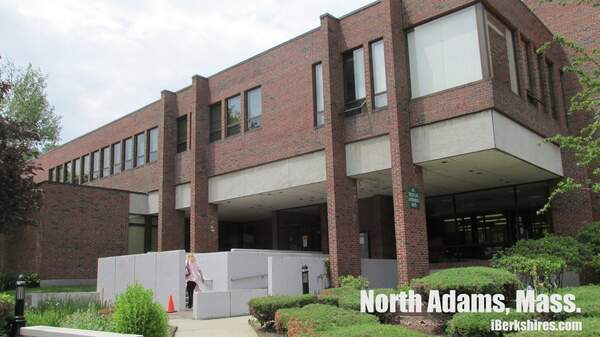
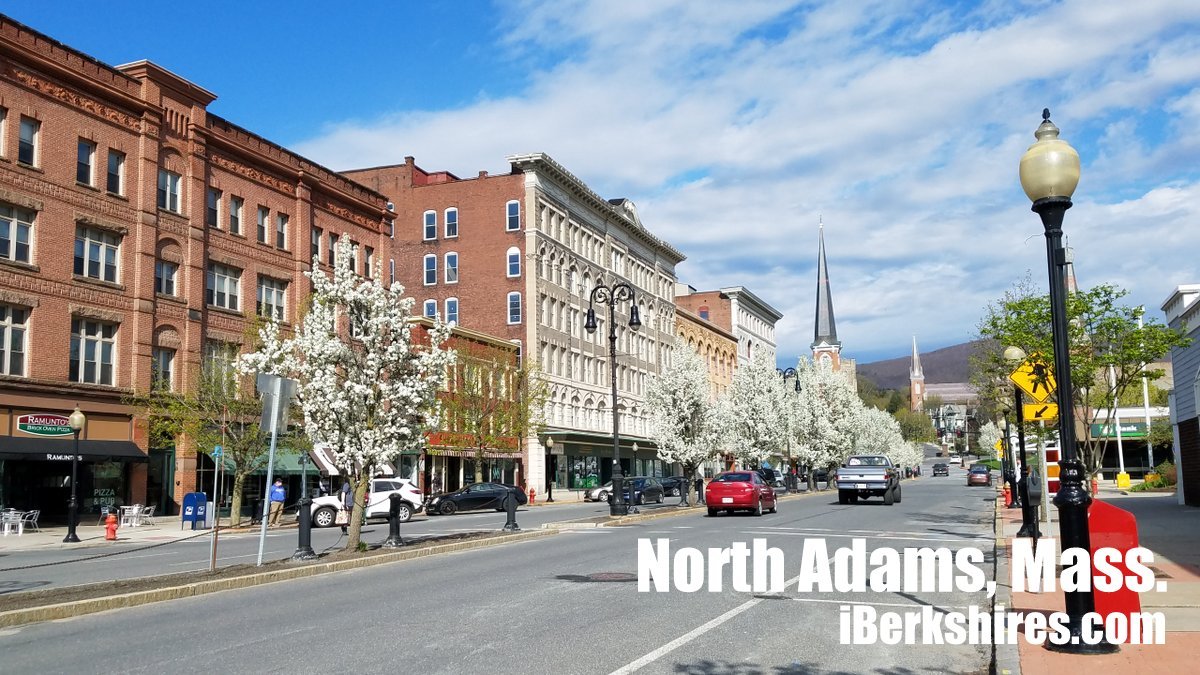
NORTH ADAMS, Mass. — The city's application to the state's Smart Growth incentive program was accepted last month pending some revisions to its zoning plan.
The plan for two zoning overlay districts in the downtown under the state's 40R zoning was submitted in March after a public hearing late last year. The letter from the Department of Housing and Community Development was received June 28.
Final adoption of 40R will release $600,000 in state funding to the city to address the impacts from increased residential and commercial development.
"The purpose of Smart Growth zoning is to increase the supply while also decreasing the cost of housing," Zachary Feury, project coordinator at the city's Office of Community Development, reminded the Community Development Committee on Wednesday. "Smart Growth zoning achieves this by increasing the amount of land zoned for high density residential development."
The state instituted so-called Smart Growth Zoning about 15 years ago to incentivize developers to largely utilize existing structures to create market-rate housing that also provided a percentage of affordable-housing units and space for retail or commerce.
Up to 20 units per acre can be developed in the overly districts and at least 51 percent of mixed use developments must be residential. Of that, at least 20 percent of residential units have to be affordable.
"It is however important to note here that affordable housing in the context of Smart Growth zoning is not the same as Section 8 housing. It is more like workforce housing," Feury said. "So, I guess as such Smart Growth zoning encourages housing that is affordable to those employed as, say, teachers, social workers, and other similarly compensated professions."
Feury explained that "affordable" meant rent would be no more than 30 percent of the monthly income of a family earning 80 percent of less than the area median family income. In North Adams in fiscal 2020, the maximum income for a family of four was $80,900.
Housing costs for a family earning $68,300 would be up to $1,700 a month.
"The reality is that we're a district in the Pittsfield Metro category, which encompasses a much different, a much broader sense of income in terms of what's included in that," said Chairman Benjamin Lamb. "So that's something that we're beholden to based on just the Metro district, not so much what's happening, specifically in North Adams."
About 563 units could be built within the zones. The city will get an incentive payment of $600,000 and then $3,000 for each unit subsequently built.
The Department of Housing and Community Development has asked for changes in the proposed ordinance: that the language be changed from a maximum of 60 percent of affordable housing per development to 60 percent for the district and to change minimum parking requirements to maximum.
Both changes align with DHCD requirements.
The next step would be a joint public hearing of the Planning Board and City Council scheduled for Monday, Aug. 9, at 5:15 p.m. and adoption of the new ordinance by majority vote.
"In the event that the City Council votes to adopt the ordinance and map amendment, the final step is for the Planning Board to vote to adopt design standards," said Feury, who added the process could be completed by mid-October.
Committee member Bryan Sapienza asked if it was correct that the overlay would not change any of the current zoning in the two downtown districts — one over the Main Street area and the other east along Union Street. Feury said it would not affect underlying zoning.
"What it does is it essentially creates another option for certain types of development," he said. "Overlay districts are used commonly in North Adams but also throughout the commonwealth."
Lamb asked if the 60 percent maximum on affordable housing would count already existing units. Feury said based on his conversations with DHCD, it would apply to Smart Growth development only. He also didn't think a single developer could access Smart Growth credits in one swing since the parcels available would be five acres or less.
"I wouldn't want to see this strangle any potential industrial, commercial growth in the future," said Sapienza. "I mean we need to have jobs, to be able to, for people to afford this affordable housing and it would be, you know, it would be great to be able to develop both."
Lamb didn't think it would strangle growth at all, noting the thousands of jobs going unfilled at the moment.
"It provides opportunities to bring people in, so that those commercial developments can actually scale to where the market wants them to be," he said. "We have a number of employers in the region that cannot scale because they cannot find people, and those people cannot find housing here."