Community Preservation Funds Facilitate Repairs at Historic Pittsfield Cemetery
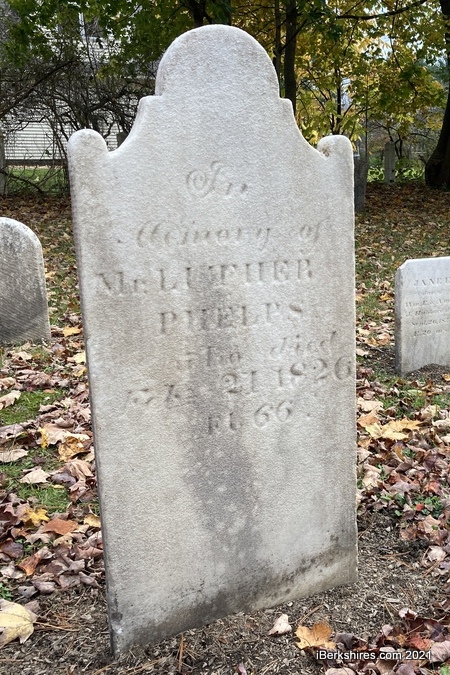
Fourteen of the historic stones have been cleaned and set. Another 30 are line for repairs.
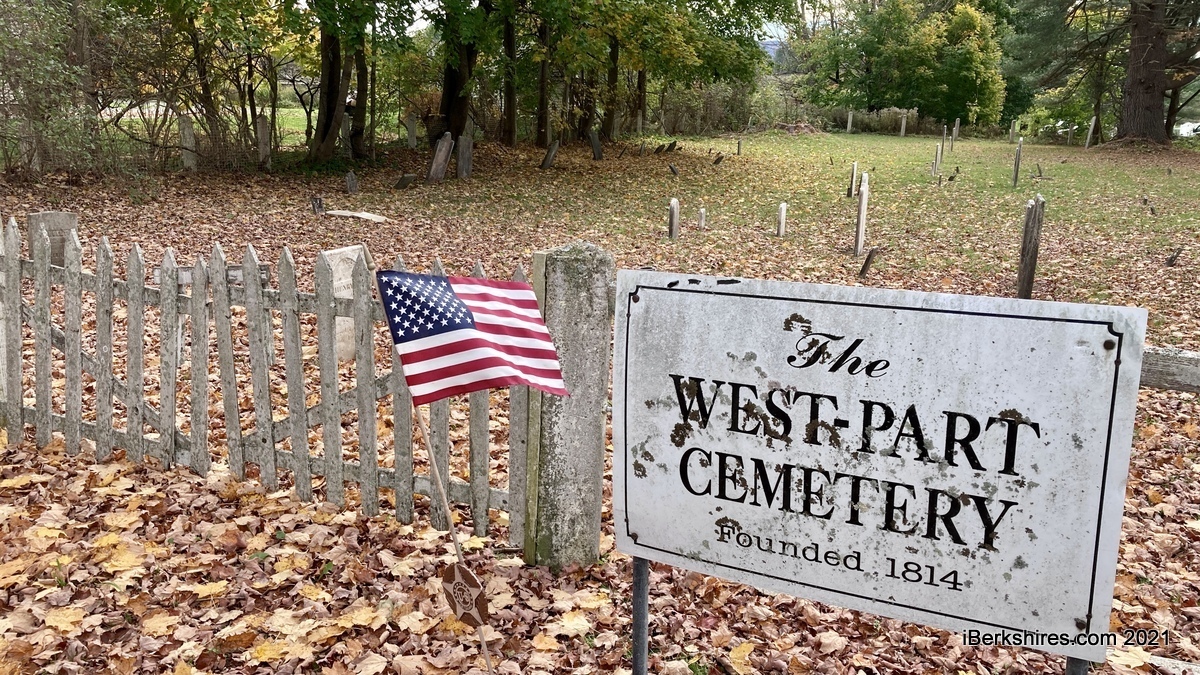
In 2019, a group of concerned citizens — led by the Pittsfield Historical Commission and Parks, Open Space, and Natural Resources program — set out to preserve the deteriorating West Street graveyard that was established around 1813.
They applied for CPA funds and were awarded $25,000 in the fiscal 2020 cycle for the first round of work that prioritized the centerpieces of the property: the headstones.
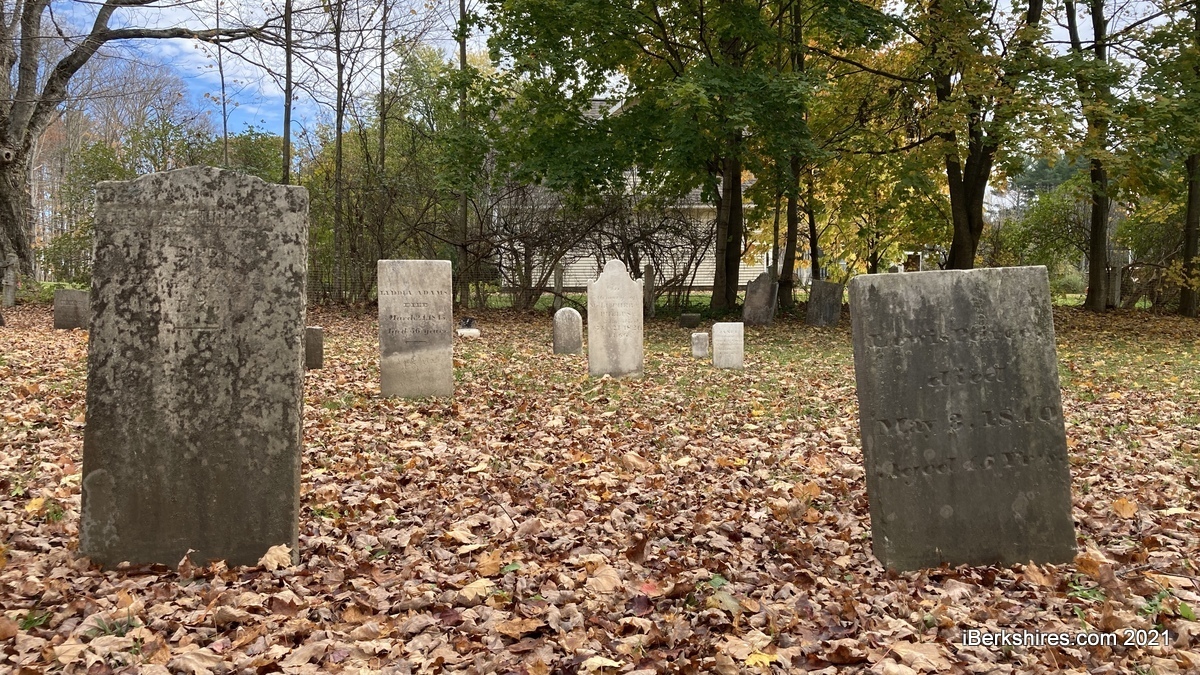
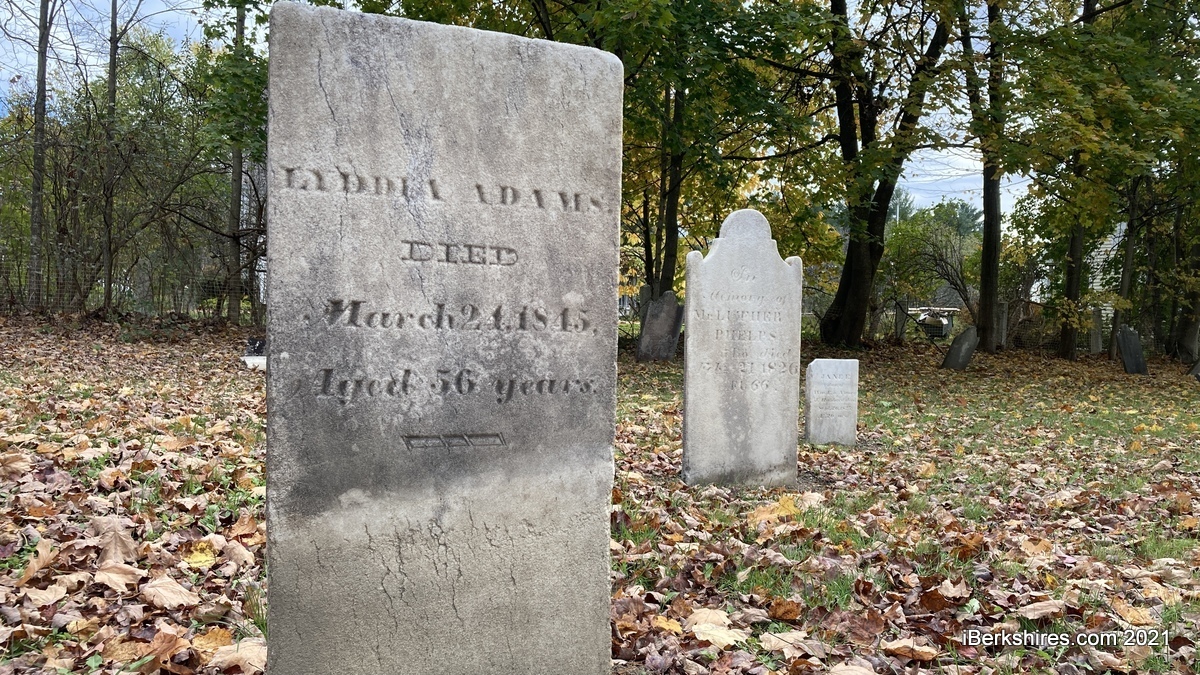
There are 65 markers on the site and 44 had been identified for treatment. Of those 44, 30 were extremely tilted and needed to be reset and the city has so far to remedied 14 of them.
"Each one of these grave markers represents an individual who had an interesting life and I think that's really what's most special about this place is that it really brings out the fact that this amazing historic resource is also a vivid record of our community's history," program manager James McGrath said.
McGrath has found this project to be fascinating and critically important as a resource for the city. He said it really deserves the attention that it is getting.
On the quarter-acre, city-owned property there are about 48 unknown buried individuals and 65 head and footstones that spanned between about 50 years on the quarter-acre city plot. Grave markings range from the death dates of Frederick West in 1813 to seven burials in the 1850s, which coincides with the site's period of historical significance from 1813 to 1859.
The graveyard was essentially neglected from 1860 — because of the Pittsfield Cemetery's popularity — to 1970 when The Berkshire Eagle reported that neighbor Roy Crosier had been taking care of it for years and requested a new fence from the city.
In his 1869 writing on the history of Pittsfield, Joseph Smith characterized the burial ground as being "overgrown by woods and only recognized by a few sunken and moss-covered headstones."
It has been observed that a majority of the people buried in the cemetery were locals in the early 1800s. About 14 of them were children under the age of 10.
According to the preservation plan established for the project, there is little documentation about West Part Cemetery. This makes it a curious and intriguing piece of the city's history.
The burial ground is located across from Berkshire Community College and the former Pittsfield Alms House established in 1831, otherwise known as the "poor house." Because of its close proximity, it is likely that individuals buried there had ties to the facility.
Moses Foster, who was born in 1812 and died in 1852, rests at West Part and reportedly died at the Alms House. His son, also named Moses Foster, was a 54th Massachusetts Regiment Soldier.
Foster himself was a descendant of slaves and his wife Orinda, born in 1813 and died in 1859, and his sister Sabra, born in 1804 and died in 1839, are also buried at the cemetery. The family stands as the three known African Americans buried there.
Because an 1858 map showed the Root, Hubbard, Foster, May, West, and Mullen families lived close to the West Part Cemetery, there is a good chance that other graves have ties to them.
With the $25,000 in CPA funds, the city was able to hire Martha Lyon of Landscape Architecture LLC in Northampton to produce the aforementioned preservation plan and Monument Conservation Collaborative LLC of Norfolk, Conn., to do the initial preservation of the first 14 stones.
Those stones were reset and cleaned along with a number of other less urgent ones that were also cleaned.
The full list of recommended preservation projects includes edge cleaning, fencing and signage, edge planting, gravestone conservation, and cemetery access improvements.
The plans also suggests that the cemetery's caretaker — the Parks Department — to set up a management log to keep track of inspections, repairs, and instructions for the new features with varied monthly schedules.
Another application will be submitted for CPA funding requesting around $50,000 of the funds that will be made available in July 2022.
The head and footstones are first priority in this project and will be completed before the other improvements.
"The stones really are the most important part of this site," McGrath explained.
Secondary projects that he hopes can be funded through the CPA are perimeter treatments and granite posts and chains that have been recommended by the preservation specialists.
The second phase will also include vegetation removal and some signage.
"It's almost as if the cemetery is an open-air museum," McGrath said. "And these wonderful artifacts are deserving of preservation because they tell such a rich story about Pittsfield."
Tags: cemetery, historic preservation,