Mass Cultural Council Head Tours North County Venues
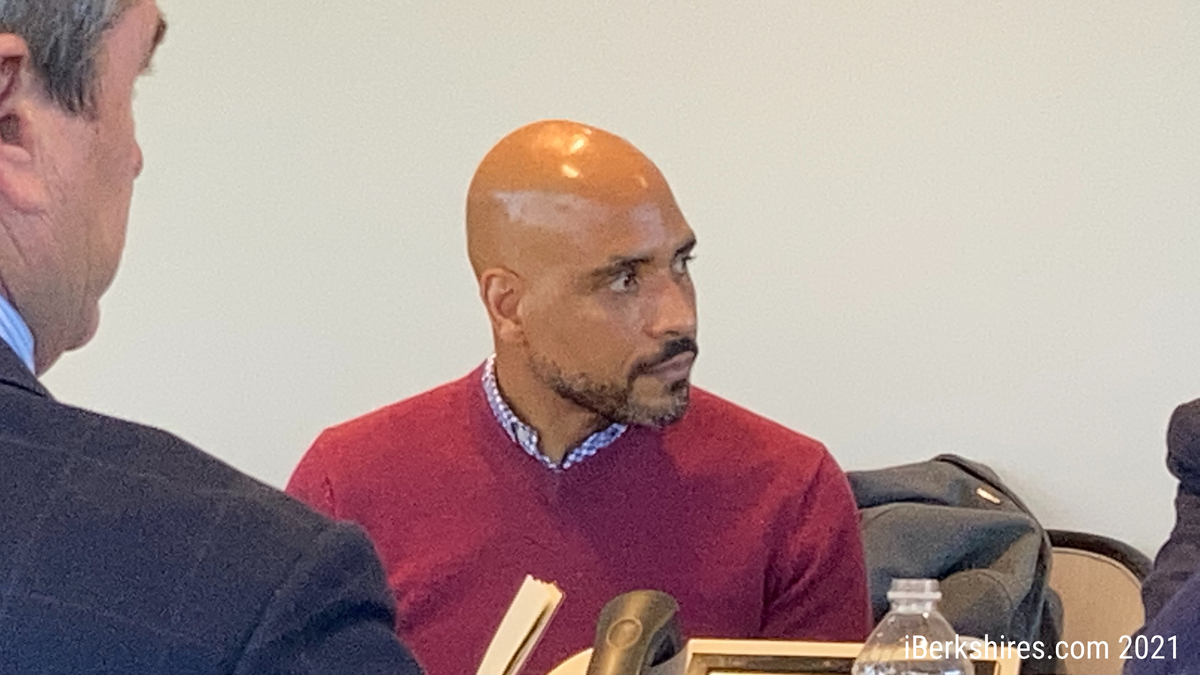
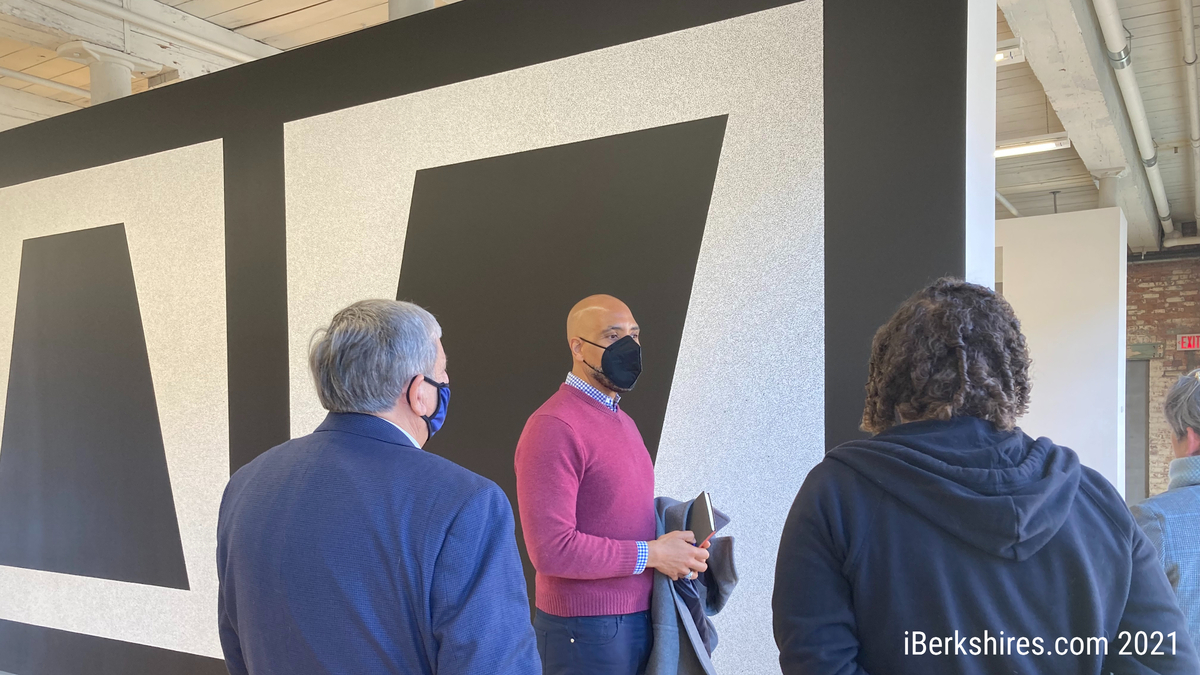
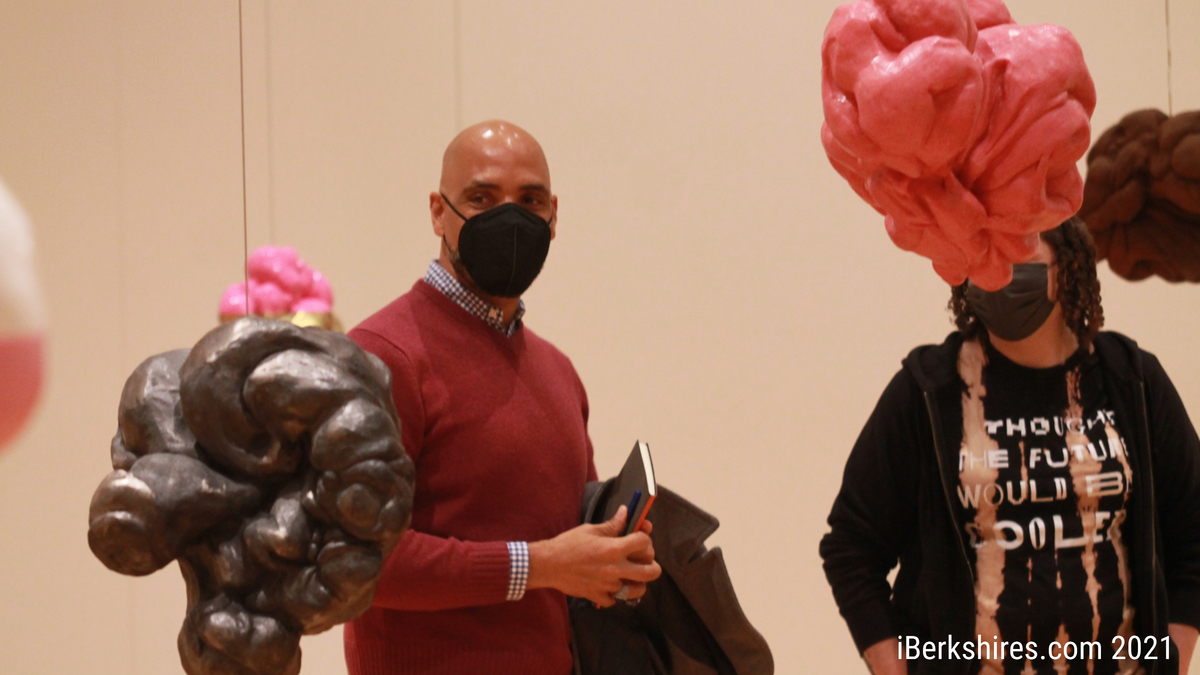
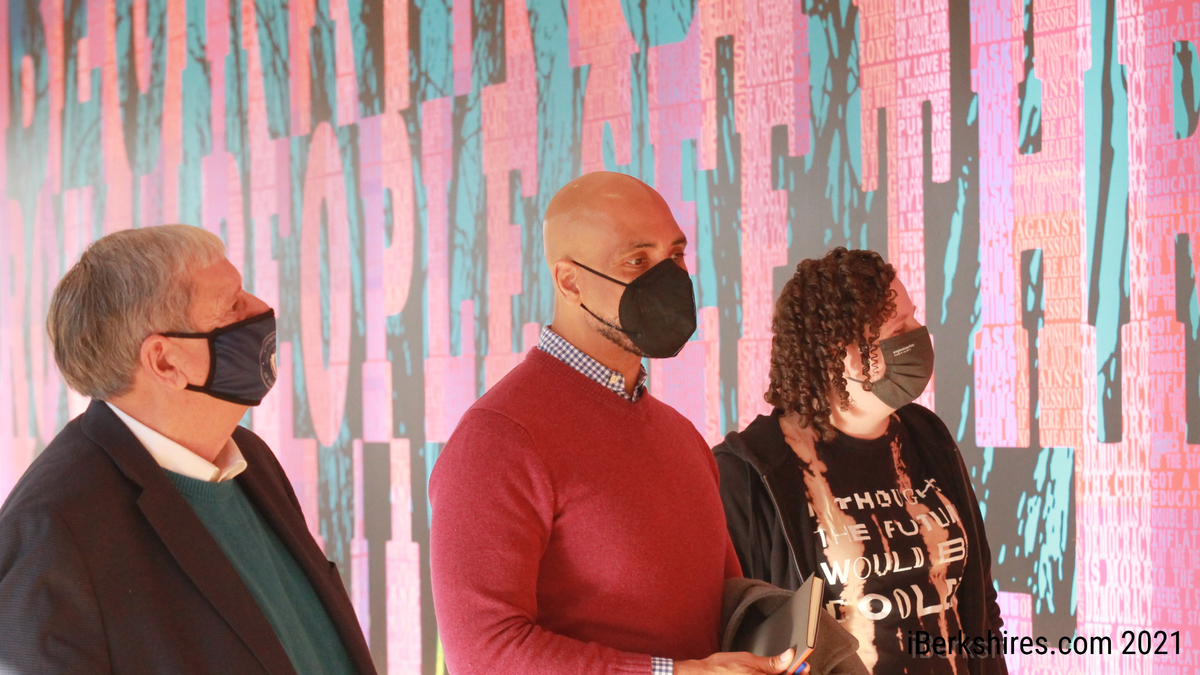
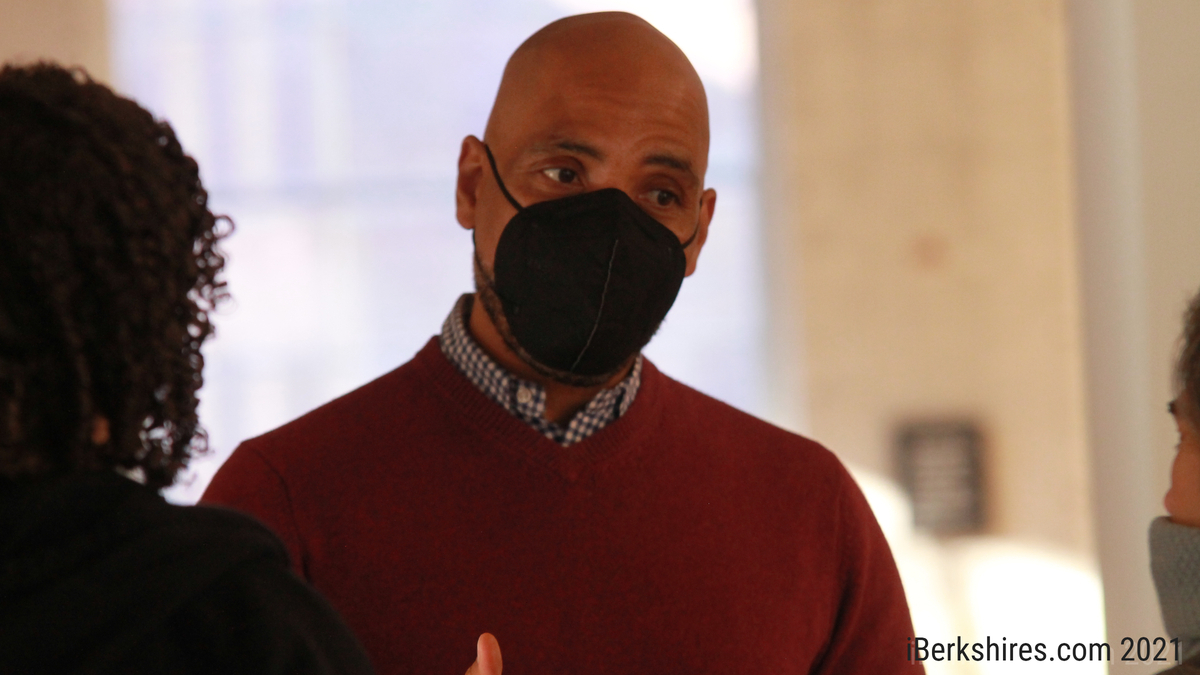
Mass Cultural Council Executive Director Michael J. Bobbitt follows the conversation in a working lunch at the Clark Art Institute on Friday afternoon.
And there was more talk about buses than Botticelli.
"When you're 20, you do not come with a car," Clark Director Olivier Meslay said during a working lunch with the MCC's Michael J. Bobbitt. "But here, if you don't have a car, you are in trouble."
Meslay and other representatives of the arts community were invited to share their thoughts about what support is needed to build the cultural economy in the region. A good deal of the talk centered on how to create an environment where young artists and other workers in the industry can earn a sustainable living in the area.
"If a family wants to get by on one car, they should be able to do that," said Cecilia Hirsch, the co-chair of the Northern Berkshire Cultural Council. "But it's not possible."
Public transportation is one piece of the puzzle for creating the kind of infrastructure the cultural institution leaders discussed on Friday. Bobbitt encouraged them to spread that message to state legislators.
"Biden's infrastructure money is coming to the state," he told the panel. "You need to get loud."
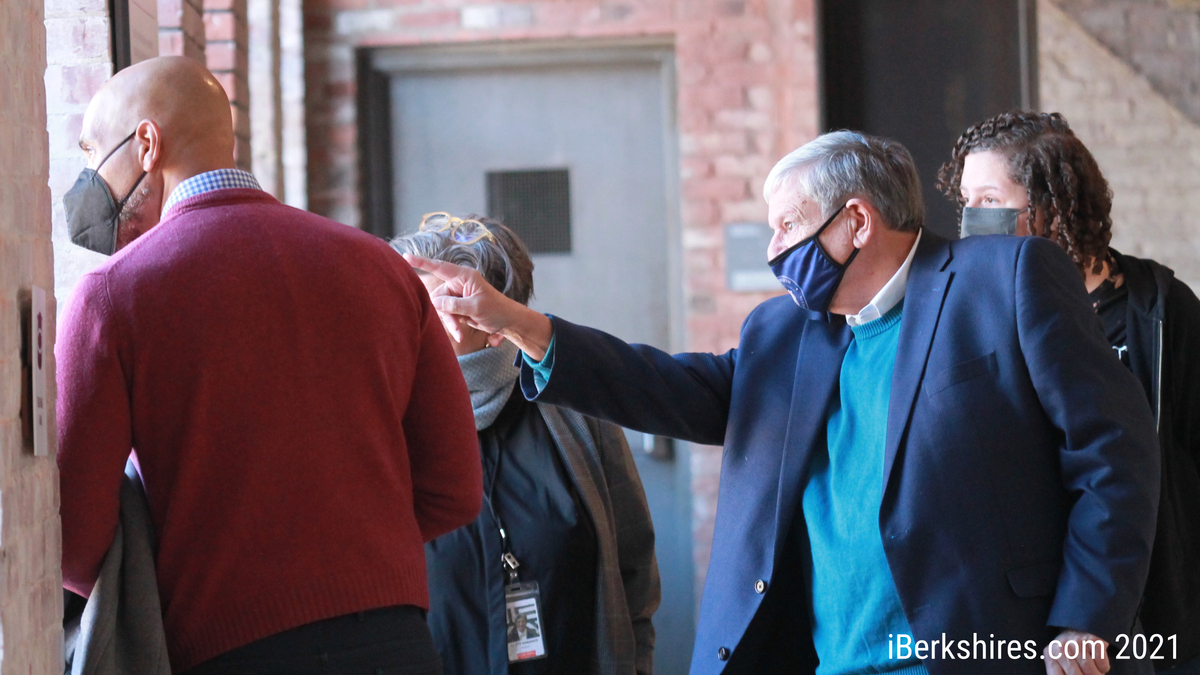
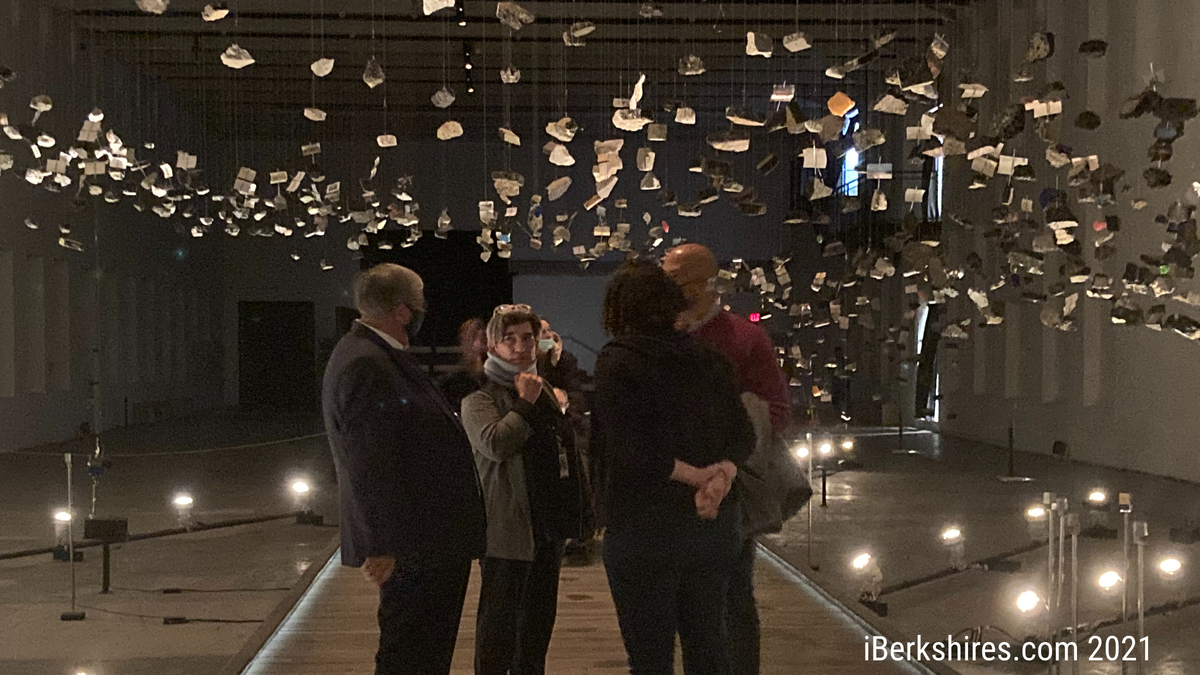
One member of the potential audience for that message, state Rep. John Barrett III, D-North Adams, invited Bobbitt to the Berkshires on Friday to tour North Adams' Massachusetts Museum of Contemporary Art and the Clark, meet with representatives of the Williamstown Theatre Festival and sit down with members of the wider arts community for a 90-minute working lunch.
"I've been blown away," Bobbitt said when asked about his impressions of the region. "After being inside for two years on Zoom meetings and all that. It's amazing to get out and see all these wonderful assets we have."
Joining Meslay and Hirsch in providing feedback to Bobbitt were Joe Finnegan and Kristen Johanson of the WTF Board of Directors, MCLA Berkshire Cultural Resource Center Director Erica Wall, Adams Theater owner Yina Moore, Williams College Museum of Art curator Lisa Dorin, Mass MoCA Director Kristy Edmunds and members of Meslay's team at the Clark.
Massachusetts College of Liberal Arts' Wall set the stage for a conversation about the challenges facing young members of the arts community who want to live and work in the Berkshires.
"What brought me here to this place is it has so much potential," said Wall, who started at MCLA in fall 2019. "It's a space that is so ideal for artists and creators. … Having a sustainable infrastructure for them to have a living is lacking."
Wall advocated for financial support that would provide seed money for artists to be able to live and work in the region while they are getting established.
"I created residencies for [Black, indigenous and people of color] artists," Wall said. "There is no shortage of artists who want to stay here."
Bobbitt pointed to an art studio project in Lowell that is providing affordable housing and suggested that model could be replicated in the commonwealth.
"We have to get legislators and city managers and mayors to talk to each other," he said. "[Mass Cultural Council] doubled artist grants this year, but even that is not enough."
Meslay talked about a joint venture between his institution, Mass MoCA and WCMA to create an internship program for recent college and high school graduates so they could learn the museum business.
"Not just art history people," he said. "We would love to have electricians. They could also be artists. … We have three museums that are completely different. Someone who would spend a year training in our three museums could go anywhere. And the museums are all well regarded. It would look good on a [resume].
"The main thing would be to have housing. Only if you're really comfortable can you afford to live in this area, which is odd since we're so remote. For really affordable housing, we have a big need."
While the arts community leaders used Friday's meeting as an opportunity to share their needs with Bobbitt, he returned the favor by telling the institutional leaders how they can help the Mass Cultural Council, a state agency that supports cultural endeavors throughout the commonwealth primarily by awarding grants from a budget derived mostly from state funding.
"I don't think legislators are hearing from voters about arts and culture," Bobbitt said. "It's a numbers game. Whatever you can do about advocacy will help."
Barrett agreed.
"You have to reach out to your colleagues around the state," he said. "I'm in the minority [on Beacon Hill] realizing the importance of the arts for economic development. Talk to other colleges, talk to other theater owners, talk to other cultural institutions."
Bobbitt said the museum and theater community needs to engage its patrons on the issue.
"[Legislators] know we're the third-largest sector contributing to GDP, but their appropriations don't reflect that," he said. "Do we have enough people writing and talking to them? Make sure that every single person who walks in your door becomes an advocate."
Tags: barrett, cultural economy, MCC,