State Launches COVID-19 Digital Vaccine Card Tool

Print Story | Email Story
BOSTON — The Baker-Polito Administration announced a tool that gives residents a new way to access their COVID-19 digital vaccine card and vaccination history. 
 
The new tool, called My Vax Records, allows people who received their vaccination in Massachusetts to access their own vaccination history and generate a COVID-19 digital vaccine card, which would contain similar vaccination information to a paper CDC card. 
 
The COVID-19 digital vaccine cards produced by the system utilize the SMART Health Card platform and generate a QR code that can be used to verify vaccination.  The Administration is not requiring residents to show proof of vaccination to enter any venue, but this tool will help residents who would like to access and produce a digital copy of their record.
 
Access the new tool at MyVaxRecords.Mass.Gov.
 
How It Works: a person enters their name, date of birth, and mobile phone number or email associated with their vaccine record. After creating a 4-digit PIN, the user receives a link to their vaccine record that will open upon re-entry of the PIN.
 
The electronic record shows the same information as a paper CDC vaccine card: name, date of birth, date of vaccinations, and vaccine manufacturer. It also includes a QR code that makes these same details readable by a QR scanner, including smartphone apps. Once the SMART Health Card is received, users are able to save the QR code to their phone, such as the Apple Wallet, screenshot the information and save it to their phone’s photos, or print out a copy for a paper record. The system follows national standards for security and privacy.
 
This system provides an optional way that residents can access their vaccination information and a COVID-19 digital vaccine card. This will provide residents with another tool to provide proof of COVID-19 vaccination, should it be requested by businesses, local governments, or other entities.
 
The system leverages the Massachusetts Immunization Information System (MIIS), the official database used by health care providers across the state to record vaccination information. The system relies on hundreds of providers inputting demographic and health information. 
 
Some users may not be able to immediately find their record, or may find an incomplete record. Residents whose record cannot be found or is incomplete can either contact their health care provider or contact the MIIS team to update their records. Learn more about the tool and view frequently-asked-questions at www.mass.gov/myvaxrecord.
 
Massachusetts has worked with VCI, a voluntary coalition of public and private organizations which developed the open-source SMART Health Card Framework in use by other states. The VCI coalition is dedicated to improving privacy and security of patient information, making medical records portable and reducing healthcare fraud.
 
My Vax Records is just one way residents can obtain their COVID vaccination record. Pharmacies that administered the COVID vaccine and many health care providers also are making SMART Health Cards available, or are providing additional options. 

Tags: COVID-19,   


More Coronavirus Updates
Keep up to date on the latest COVID-19 news:


If you would like to contribute information on this article, contact us at info@iberkshires.com.

Social Service Organizations Highlight Challenges, Successes at Poverty Talk

By Brittany PolitoiBerkshires Staff

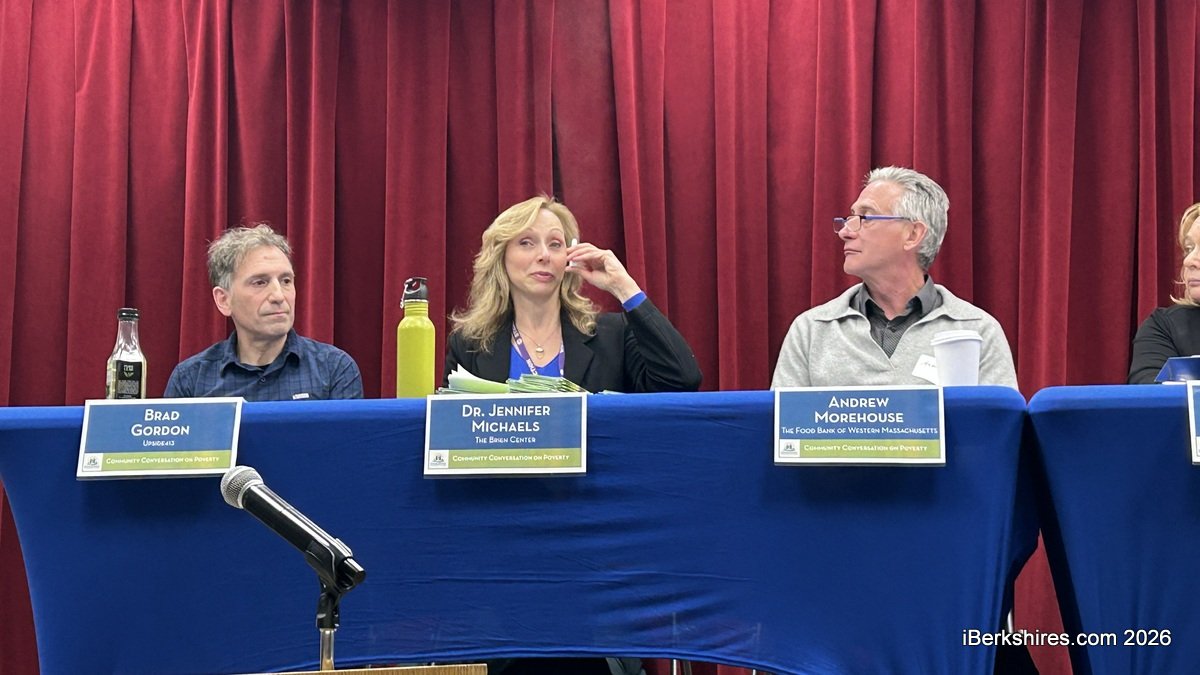
Dr. Jennifer Michaels of the Brien Center demonstrates how to use Narcan. Easy access to the drug has cut overdose deaths in the county by nearly half. 

PITTSFIELD, Mass. — Recent actions at the federal level are making it harder for people to climb out of poverty.

Brad Gordon, executive director of Upside413, said he felt like he was doing a disservice by not recognizing national challenges and how they draw a direct line from choices being made by the Trump administration and the challenges the United States is facing. 

"They more generally impact people's ability to work their way out of poverty, and that's really, that's really the overarching dynamic," he said. 

"Poverty is incredibly corrosive, and it impacts all the topics that we'll talk about today." 

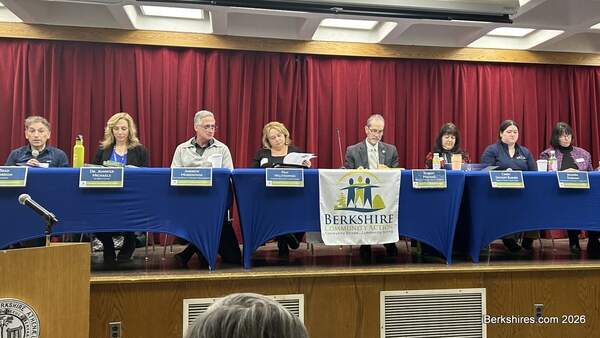
His comments came during a conversation on poverty hosted by Berkshire Community Action Council. Eight local service agency leaders detailed how they are supporting people during the current housing and affordability crisis, and the Berkshire state delegation spoke to their own efforts.

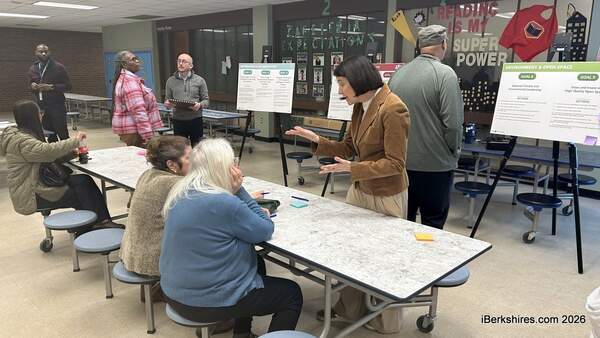
The event held on March 27 at the Berkshire Athenaeum included a working lunch and encouraged public feedback. 

"All of this information that we're going to gather today from both you and the panelists is going to drive our next three-year strategic plan," explained Deborah Leonczyk, BCAC's executive director. 

The conversation ranged from health care and housing production to financial literacy and child care.  Participating agencies included Upside 413, The Brien Center, The Food Bank of Western Massachusetts, MassHire Berkshire Career Center, Berkshire Regional Transit Authority, Greylock Federal Credit Union, Massachusetts College of Liberal Arts, and Child Care of the Berkshires. 

The federal choices Gordon spoke about included allocating $140 billion for the U.S. Immigration and Customs Enforcement, investing $38 billion to convert warehouses into detention centers, cutting $1 trillion from Medicaid over 10 years, a proposed 50 percent increase in the defense budget, and cutting federal funding for supportive housing programs. 

Gordon pointed to past comments about how the region can't build its way out of the housing crisis because of money. He withdrew that statement, explaining, "You know what? That's bullshit, actually."

"I'm going to be honest with you, that is absolute bullshit. I have just observed over the last year or so how we're spending our money and the amount of money that we're spending on the federal side, and I'm no longer saying in good conscience that we can't build our way out of this," he said. 

Upside 413 provided a "Housing Demand in Western Massachusetts" report that was done in collaboration with the University of Massachusetts at Amherst's Donahue Institute of Economic and Public Policy Research. It states that around 23,400 units are needed to meet current housing demand in Western Mass; 1,900 in Berkshire County in 2025. 

View Full Story

More Pittsfield Stories