State Considering Limit on Bus, RV Access to Mount Greylock
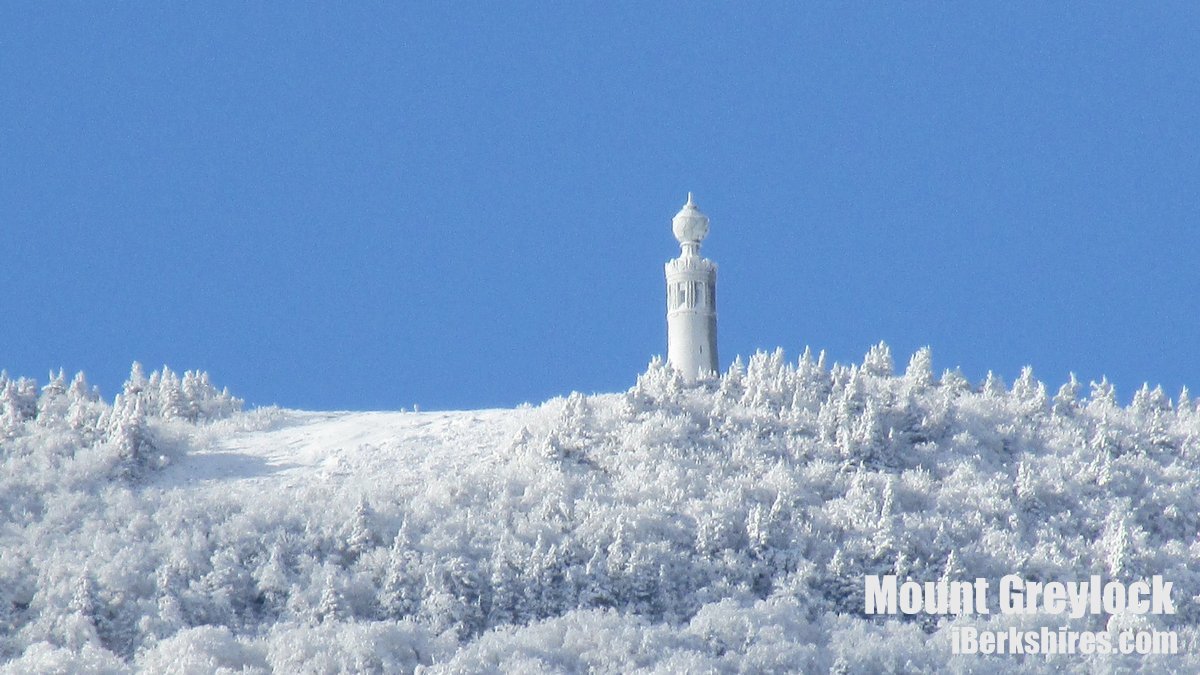
LANESBOROUGH, Mass. — The Mount Greylock Advisory Council discussed the impact on the state reservation of a proposed regulation that would limit longer vehicles on the mountain's roads.
Chairman Cosmo Catalano Jr. said during Thursday's brief virtual meeting that the state is considering a limit on vehicles longer than 21 feet.
Mark Jester, mountain district manager for the state Department of Conservation said he wanted to be clear that DCR is still researching the prospect and although something may go through, there is still a lot of work to do on a new regulation.
"It is still in the planning process and this isn't just Mount Greylock, it is with our other high-ground locations," he said. "We are looking at this across the state. It wasn't just Greylock included in the MassDOT survey."
Cheshire representative Gary Trudeau is opposed to the regulation because he felt it would limit access to the summit.
"I am more interested in getting people up the mountain and giving them access," he said.
Specifically, he was concerned about service vehicles that needed to climb the mountain for deliveries and maintenance. Also, larger passenger vehicles often bring students and groups of people to the state's highest summit.
Trudeau added that his own truck is 21.4 feet and by the proposed rules he would not be allowed to drive up the mountain's roads.
He also didn't think the regulation would be easy to enforce.
Jester again clarified that much of this still has to be worked out but did note there would be an exception for larger service vehicles that need to access the summit.
He added that most trucks fit in that 21-foot range, and there wouldn't be a problem if they were a bit over.
"On average trucks are OK even if they are closer or a little over they can use the roads," he said. "Your truck, my truck, DCR trucks, those are fine."
He said the regulation is really aimed at buses and recreational vehicles that not only cause extra wear and tear on the road, but could create dangerous situations on the switchbacks. He added that it is difficult to park these larger vehicles at the summit and that they often cause traffic flow problems.
He did agree that driving students and groups of people up the mountain would be difficult without buses or larger vans. He said this is an issue that still needs to be worked out.
Adams representative Heather Lindscott thought some sort of regulation was a good idea and was happy it was being considered by the state.
"I think it is a good idea. I think school buses and RVs going up there is scary," she said. "There has to be some sort of limit. The road is not built for that."
Jester said there are no plans to put a new regulation in place in the immediate future.
"It is not out of the realm of going through, and it is a matter of working out the details about the length and what types of vehicles it addresses," Jester said. "I am not saying it will happen tomorrow but maybe before the end of the year."
Other than that there wasn't much to discuss and Park Supervisor Travis Clairmont gave a brief report.
"It has been pretty light," he said. "I don't think I have ever had a report where I didn't have an incident to report."
He went over some winter maintenance and said the administrative garage underwent some paving and drainage work.
"In the past, it was pretty much an ice factory," he said.
He said the furnace in the building has failed, and that they are working toward a repair.
He said composting toilets have been removed form the summit, and there are plans to install new ones.
To improve communication with the snowmobiling community and minimize complaints, Clairmont said they are beta testing a new Groomer Tracker App that will upload directly to sledmass.com's interactive map.
This allows users to see when and which trails were recently groomed in real-time.
In lighter news, Clairmont said he has made a new friend on the mountain.
"We have had a ruffed grouse hanging out near the visitors center through November and December," he said. "It has been following me around for like 30 days. I can't do any work on the mountain without it showing up … I named it Sheila."
Clairmont said the ruffed grouse is perfectly comfortable sitting on the hood of vehicles or getting inside them when she can.
He said she even makes an appearance on group hikes.
"I tell everyone on the hikes that we will have an encounter, and they look at me like I am crazy like I have a pet bird in the woods," he said. "On every occasion when we go on a hike the bird would come out of the woods and walk up to me and follow us for the rest of the hike."
He said ruffed grouse are usually pretty territorial, especially when they are nesting and it is odd to meet one so friendly.
Clairmont said he hasn't seen her in a few weeks but hoped for another visit soon.
"Hopefully she is alright, and I will see her again," he said. "It was nice during the fall and early winter."
Tags: Mount Greylock,