Tyler Street Firehouse Gets Kaleidoscope Project Treatment
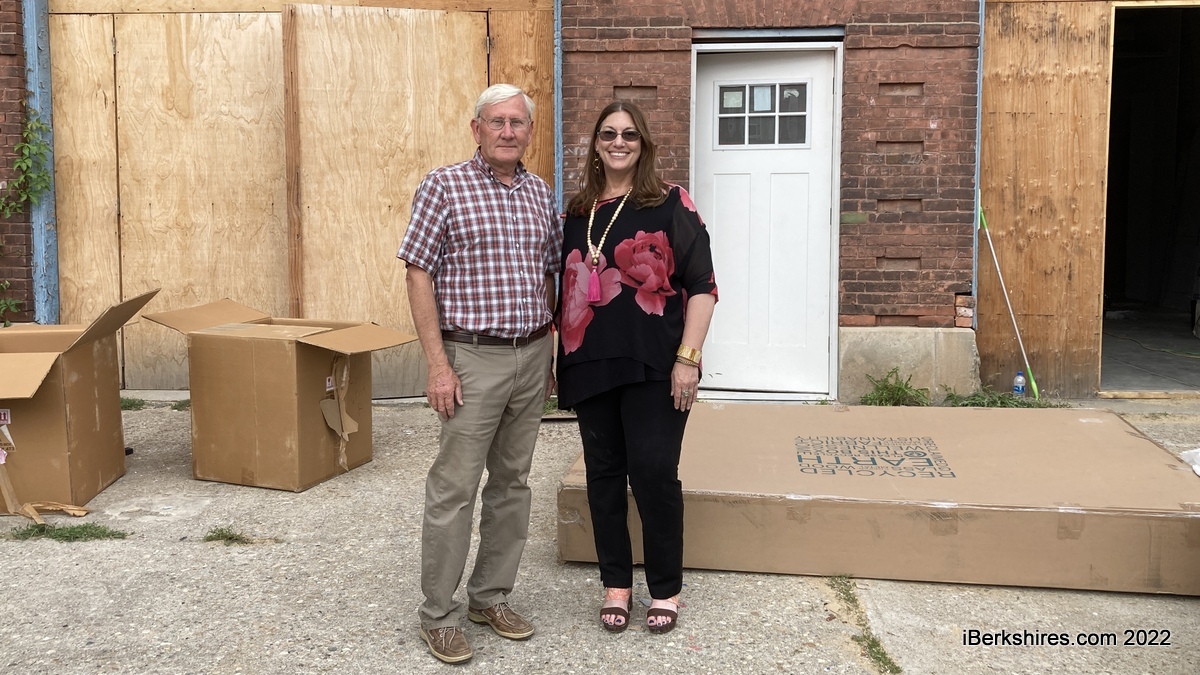
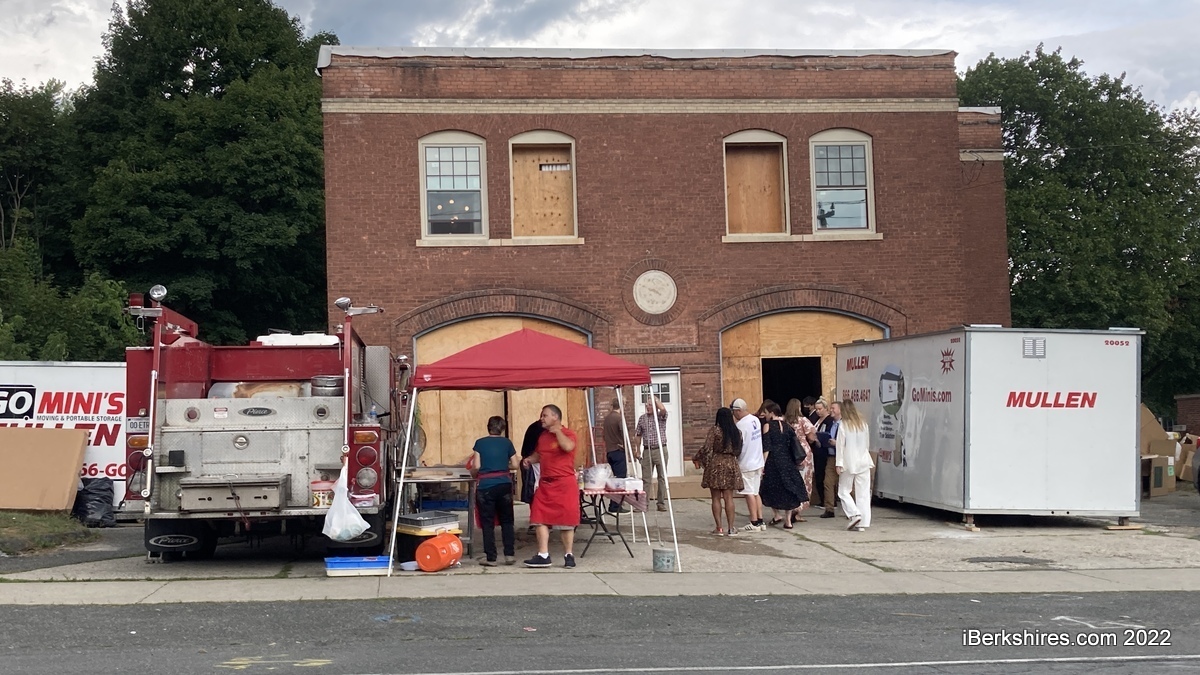
PITTSFIELD, Mass. — The former Tyler Street firehouse is soon to feature four individually curated market-rate units.
Developer David Carver has teamed up with the Kaleidoscope Project of West Stockbridge to have the apartments completed by well known Black and Hispanic designers. Each one has a different inspiration and feel.
"The Kaleidoscope Project started almost two years ago with a mission to give our BIPOC [Black, indigenous and people of color] interior design and artists a voice," said Amy Lynn Schwartzbard, founder and interior designer of more than 30 years.
"I felt that our industry as a whole, the design industry, wasn't inclusive or diverse and even more alienated than anything else, alienated people of color. So we provide platforms for them to showcase their work and we only work on real projects, so the projects we work on our benefit the community in some way."
The project last year brought in 23 designers to remake the historic Cornell Inn in Lenox.
Hard materials for the units were donated by the Kaleidoscope Project's many sponsors. Among the sponsors, The Shade Store did all of the window treatments and Fisher & Paykel supplied high-end appliances.
Schwartzbard said the tenants of these units will have $70,000 kitchens. The apartments will be staged for viewing so that the designer's complete vision is channeled.
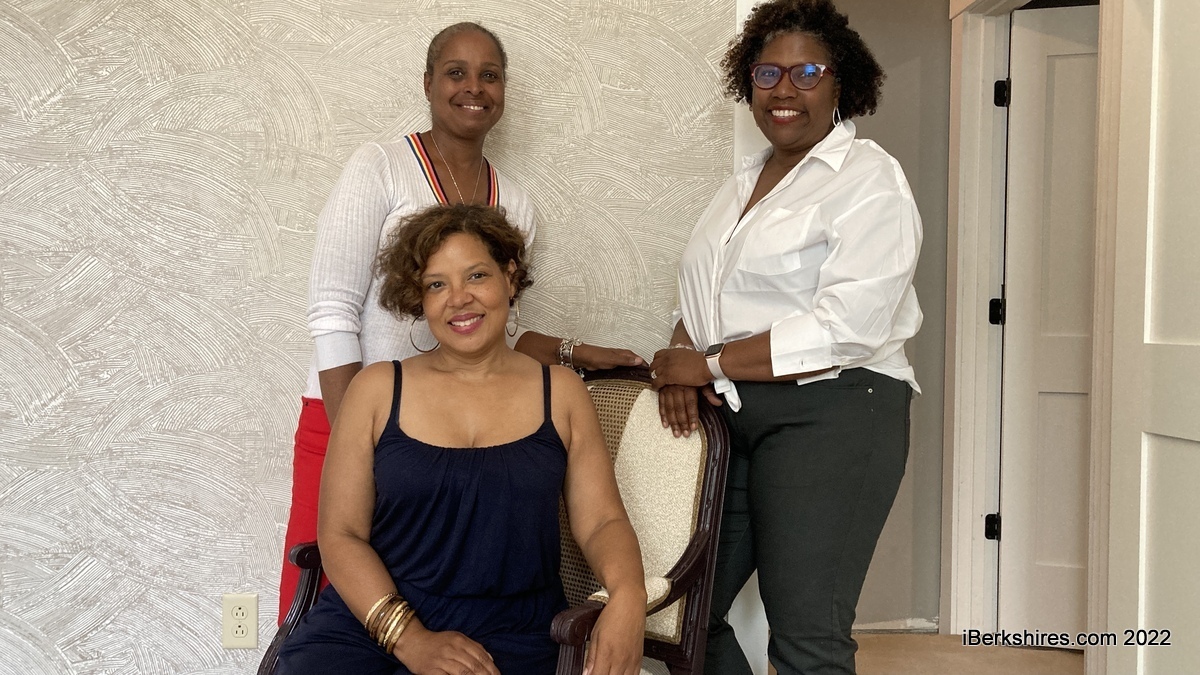
Denise Gordon, Tanya Lewis and Marilyn Lavergne of Austin Gray Design Group in Brooklyn, N.Y., and Everick and Lisa Brown of Everick Brown Interior Design in New York City are transforming the two one-bedroom apartments on the first floor.
Rasheeda Gray of Gray Space Interiors in Philadelphia and Virginia Toledo of Toledo Geller Interiors in New Jersey designed the two two-bedroom units on the second floor.
"I didn't meet Amy until we actually started this project, I was introduced to her from people that we both know and so we got together and talked about this a little," Carver explained.
"She asked me if we had anything that might be interesting for her to pursue, one of our projects, and so I listed all the projects that we're working on, she said 'that one' so I said 'OK.' We had already started construction but wasn't really much of an issue to jump in at that point."
The units are expected to be finished in early September and Carver expects to be finished with the site in October. He announced his intent to redevelop the historical firehouse about a year ago and has since received $100,000 in Community Preservation Act funds and a 10-year tax increment exemption (TIE) agreement.
Carver said the city has been very supportive of the project.
Due to supply chain and labor shortages, there has been some delay in its completion.
Austin Gray Design Group was inspired by the art community in the Berkshires and particularly African American history of artists and creatives in the area.
"When we were blessed with a space that had such high ceilings, we immediately thought 'artist loft," Lewis said.
Gordon, who is the founder of the group, said her vision was to create a space that was intense and relaxing at the same time. The main space is darker and moodier than the light and airy bedroom space that encourages relaxation.
They are partnering with a New England artist to feature their oversized pieces on the walls and the wallpaper and cabinetry that was chosen feels organic or something that an artistic person would be drawn to, she added.
"We got involved in this project for a couple of reasons. Chief among them, I'm joining in with a group of designers who are emerging in the work that we do but what made this project in particular very unique is that we are readapting the use of a space that obviously had kind of run its course, in a part of the community that is emerging forward," Lavergne said.
"We wanted to really propel this thing forward to propel the momentum that's already here forward by doing so with the power of design. Specifically, we're looking at this as something that's been transformative beyond change, which can always change back. The goal of this project is really to transform this building, the lives of the people that live here, the life of the activity on the street, and we have every belief that it will transform the life of things here in all of Pittsfield."
Gordon said working with the Kaleidoscope Project has always been about the camaraderie that they build with other designers. The designers are early in their careers and partnering with and learning from their colleagues has been amazing, she added.
"That same spirit that we have together here is what we wanted to give to the community as well," she said. "So together we do this and then the community hopefully will be able to benefit from this being here."
Gray said she envisions a "38-year-old woman who had a prior career and she is now a social media influencer" in her unit, which features an abundance of color mixed with sophisticated accents.
"She lives, works, and plays here," Gray said.
"So she entertains and she just wanted a space where there's different personalities in each room. It feels fresh, it feels fun, she's energized when she walks into her home at the end of the day, and it's just fun with a sort of level of sophistication to it."
The designer became involved with this project because of its mission.
"The mission supports BIPOC designers by bringing awareness and opportunity to designers of color," she said.
"Secondly, it supports students of color who are interested in the arts and that's very near and dear to my heart because I am a second career designer and would love to have experienced arts early in my childhood, to sort of support this passion or talent of myself. If I can do that for students of color by participating in something like this, it's amazing."
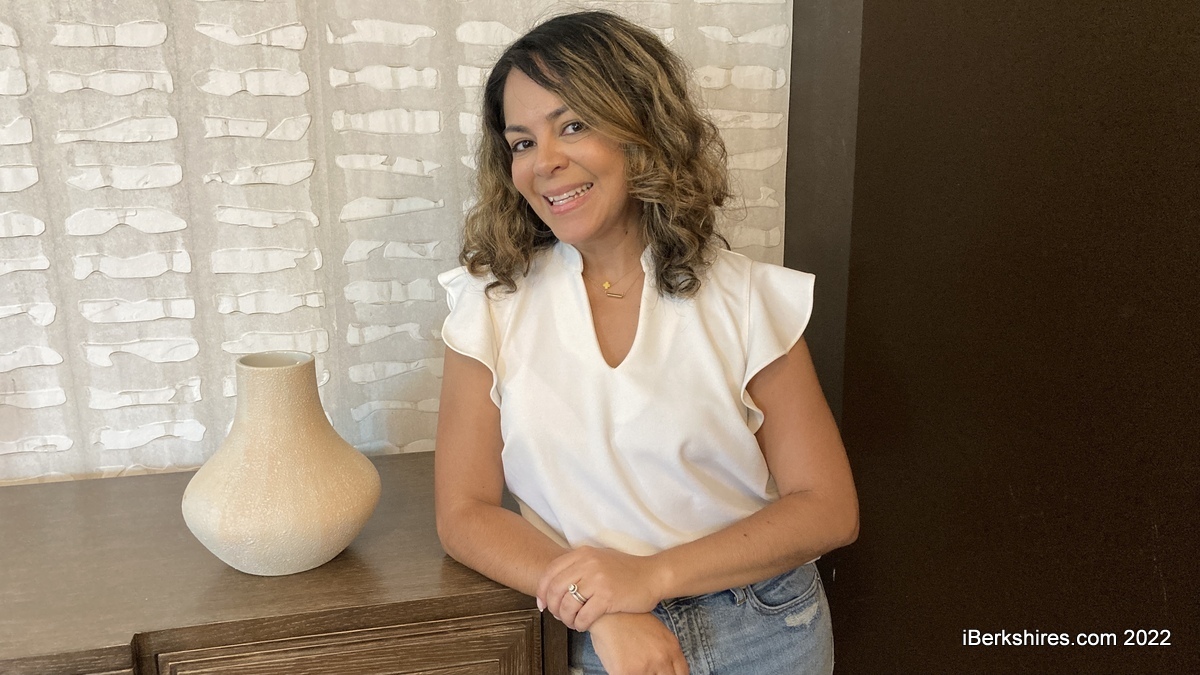
Toledo was inspired by the building's history in her design with accents of color that are inspired by the building's historical brick structure. The element of smoke was also prominent in her design.
She played with the idea that a home can be light and billowy and moody and dark at the same time, with lighter color palettes in the common spaces and more depth as you move into the unit.
"I kind of felt that being a firehouse for so many years, that energy must have stayed in here. I didn't think there was ever a way that I could create this really soothing effect here because the gentlemen who worked here for so many years, had a very sort of volatile job, right?" she said.
"You could be sitting around and having a beer or you could be that next call could be a huge fire so I wanted to harness that in some way and so I did that by playing with big pattern in some areas, followed by things that were a lot calmer."
This is Toledo's second installment with the Kaleidoscope Project, as she recently worked on a larger project at the Cornell Inn in Lenox.
"I have been in this industry almost 20 years now, 16 years in my own firm and four with another, and there's no question there's a lack of diversity, or at least the presence of it, the presence of seeing designers that look like me — I have a Puerto Rican background — whether at show houses or in the spotlight," she explained.
"And we're out there, we're just not given the same opportunity so if there was a show house that was going to highlight that and give BIPOC designers from across the country that opportunity for the press to actually see that yes, we exist, the talent is there, give us the opportunity, how could I say no to that?"
She also said she found the project interesting because it would allow people to live in designer apartments for a market rate price.
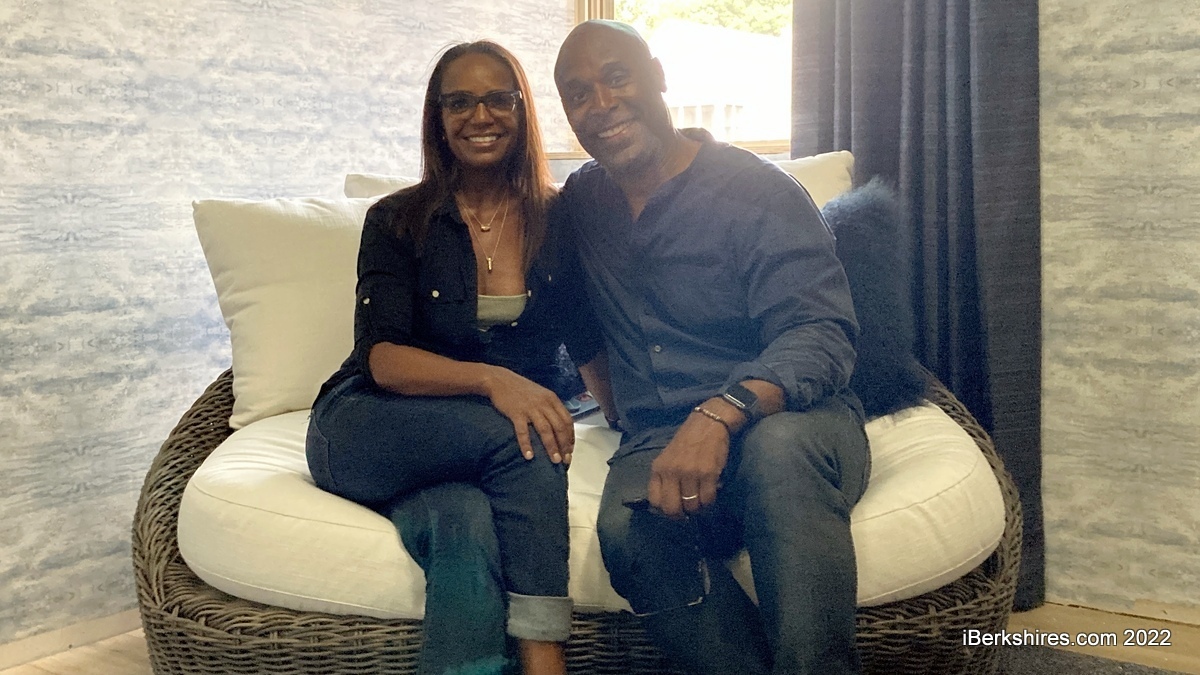
Everick Brown Interior Design's vision for its unit is inspired by the outdoor-indoor lifestyle of contemporary young people and the outdoor recreation of the Berkshires.
"The vision was to bring outdoors and really inspire people to think in a different way," Brown said. "So generally, you wouldn't think about bringing outdoor furnishings to the inside. Why did we do that is we wanted to really be provocative and make people go, 'Whoa, I would never think to do that.'"
The designers are also passionate about the Kaleidoscope Project's mission and want to inspire those who are designers as well as those who are still learning.
"And then just the camaraderie," Brown said. "I think if you run around, when you talk to the teams, you'll meet a cohort that's unlike any other."
Tags: design, historic buildings,