Williamstown ZBA OKs Recovery Center at Former Sweet Brook
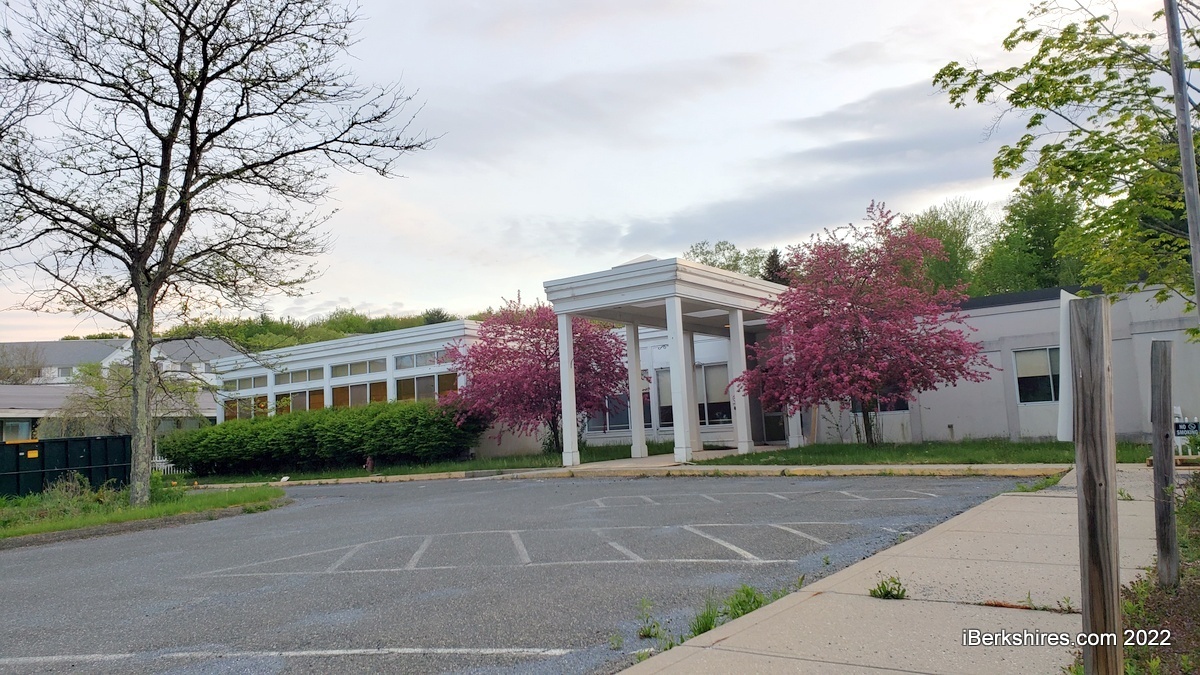
WILLIAMSTOWN, Mass. — After discussion over four meetings, the Zoning Board of Appeals approved an application to operate a chemical dependency rehabilitation facility in the former Sweet Brook nursing home on Cold Spring Road.
It was unanimously approved on Thursday with conditions related to fencing and landscaping.
"We've been revisiting this now [for] several months, we've asked the petitioner to work with with the abutter, they've done so and they've come back with a proposal that appears to make both parties happy," Chair Andrew Hoar said.
"And again, this is a special permit for a change of use. I think this board at this time has gone way beyond due diligence."
Williamstown Recovery Realty LLC intends to use the building as an inpatient chemical dependency and co-occurring disorder treatment facility with Williamstown Recovery LLC as the operator. The facility aims to provide medical supervision, assessment, and clinical services for adult men and women with substance abuse issues.
It will fall under the same use as the previous nursing home and will not require any change to the current utilities.
The property falls under RR3 for institutional use and its use as an inpatient behavioral health-care facility required a special permit from the ZBA. Only superficial interior improvements are proposed to transform it to the new use.
Partner Sean Stewart in this meeting revealed that Moresi & Associates will act as the property managers and that it has already begun to address a number of minor items including a stop-work order and the replacement of a faulty sprinkler head.
"Moresi & Associates were the property management firm that managed that property for the prior owners so they're quite familiar with with the facility and the land," Stewart added.
He thanked the board for supporting the project and said it is an unmet need that will benefit both residents and the broader community.
The applicant had been negotiating details of the site plan with attorney Karla Chaffee, who represents the assisted living facility that abuts the property. She affirmed that the plan represents the entities' agreement and asked the board to add a condition incorporating the plan and requiring maintenance as a condition of approval.
The special permit's approval was continued last month so that the two could reach an understanding about the fencing and landscaping plans.
Stone Hill Road resident Paul Haklisch has consistently voiced concerns about the applicant's qualifications and returned to this meeting.
He began by clarifying that everyone wants to abate the drug-use problem in Berkshire County and acknowledged that it is the state's responsibility to approve the operating authority of the applicant, which the board has reminded him of.
But Haklisch challenged that the board has a responsibility with respect to granting special permits.
He read from Section 70-8.4 of the town bylaw that states "Special permits shall be granted only if the special permit granting authority determines that the proposal's benefits to the Town will outweigh any adverse effects for the Town or the vicinity."
"As I've said in prior meetings, what could be more adverse to the community than an operator with no experience running a drug rehabilitation center in a residential neighborhood with a high school just down the road?" he asked.
The resident said it is part of the board's authority and obligation to safeguard neighborhoods. He asked Stewart if he has any experience in owning this type of facility and what executives will be on-site to ensure safe and professional operations.
Hoar pointed out that these questions were addressed in prior meetings and allowed Stewart to respond.
Stewart explained that he is working with Complete Compliance Consulting -- which had representatives present in the Zoom meeting -- and that is "knee deep" in reviewing resumes and filling positions.
He said this is one of the most heavily regulated sub-sectors within health care and detailed a list of licenses required by the state and other third-party agencies. The priority is to get a medical director, staff and a clinical team.
"We will follow all of the required guidelines and regulations that the state requires because one, it's not safe," Stewart said. "And two, we won't be able to get paid via managed Medicaid and or commercial payers if we don't have a license and have met the annual site survey and other audits and requirements that are needed."
The ownership group is an investor managing a partial hospitalization program (PHP) and an intensive outpatient program (IOP) drug addiction center in the state of Florida and has an interest in another facility in Louisiana.
"Collectively our team has over 75 years of experience in long-term care generally," he added.
"We have some experience in addiction recovery and residential rehab but again, that's one of the reasons why we're closely aligned with Complete Compliance, who has a ton of experience across the country in this sector and we're very optimistic about making this a success not just for ourselves but for the community and the residents."
Haklisch and Stewart engaged in some back and forth over relative experience and the conversation was directed toward Jennifer Holbrook, a representative from Complete Compliance.
She reported that her firm has been working with the Northern Berkshire Community Coalition and the state Office of Rural Health. They are interviewing medical personnel from Harvard Medical Centers for the director position.
"We have had an outpouring of support and contacts to be able to find a way to start this facility with experienced personnel," Holbrook said. "And that's our goal for leadership."
She added that there are a lot of policies and procedures that have to be fulfilled before having any patients on the property.
Stewart believes that they will not be ready until the end of next June.
The motion for approval included that the board "finds that the serious regional and local need for a facility of this type outweighs any detriment to the neighborhood or surrounding area."
"I want to just say from a personal note, I started off as a fairly skeptical view of the application and that through the various months and meetings that we've had with the applicant, I have been convinced that this will be run adequately and that will be beneficial to the community," board member Robert Mathews said.
"And I wanted to recognize that Mr. Haklisch, his concerns are valid and that they're real concerns and if he still shares those concerns after this meeting and after this process, that he should share them with the licensing board because most of his concerns I feel are more appropriately directed towards those boards."
Tags: substance abuse,