Adams Zoning Board Debates New Cumberland Farms Signage
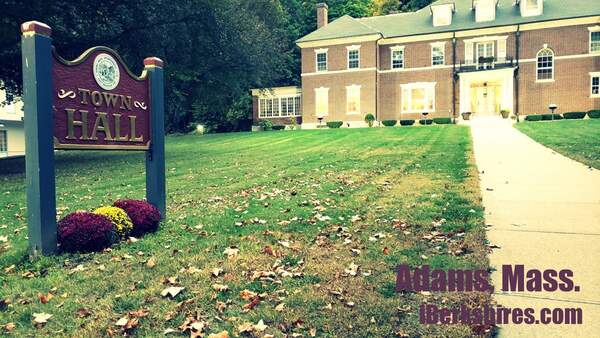
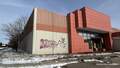
ADAMS, Mass. — The Zoning Board of Appeals has continued an application by Cumberland Farms proposing the installation of additional signage at its Commercial Street location.
The requested variance asks permission to install a 33.92 square-foot Ria's Pizzeria sign on the eastern side of the building. Two additional illuminated 5.83 square-foot signs for Ria's and Farmhouse Kitchen are also a part of the request.
When board Member Nathaniel Karns asked how not having the signs would cause hardship, Thomas Reidy of Bacon Wilson Attorneys, representing Cumberland Farms, cited financial reasons. Reidy also mentioned the shape of the lot and the building's location in relation to Commercial Street.
"The substantial hardship is going to be a financial hardship," he said. "Where, given the investment that they've made in the community, if they're unable to have these signs, which would alert the public, the customers, to the offerings at the site, they would not be able to receive a return on their investment."
Board member David Rhinemiller said he is not sure how not having the signage will cause hardship. Reidy did not have any additional information to provide when asked by Rhinemiller for data or some other proof the lack of signage would cause this.
"Everybody's saying that it's going to be a financial hardship. There is no proof of that," Rhinemiller said. The town's size limit for signage, as written in its signage bylaws, is 48 square-feet.
Community Development Director Eammon Coughlin recommended the board deny the application, saying it did not meet the criteria for a variance. While Coughlin was not able to attend, he provided a letter explaining his reasoning, noting that the current 59 square-foot signage is only allowed because of a previously approved variance.
"The signage currently installed is more than adequate to promote the business and the services it provides," he wrote in the letter. "Based on the applicant's responses to the variance criteria, I do not see any grounds for hardship to the business caused by denying the request for additional signage."
Three abutting residents came to the meeting to protest the new signage. One resident, Dawn Karo, cited noise, light pollution, increased trash and other issues as an abutter. The other two residents in attendance voiced similar concerns.
"They're not good neighbors. They haven't been good neighbors. The noise from there, it wasn't just a little bit of noise, it was rattling my windows," Karo said. "I made more than 50 calls to Cumberland Farms, their lawyers, their other representatives."
Reidy said Cumberland Farms is working with engineers and architects on noise mitigation. He said he would let Cumberland Farms know about the other issues the residents noted.
"There was an issue identified, and instead of sticking their head in the sand, you know, they came up with a, frankly, a pretty expensive solution, but a solution," he said.
The board will take up the issue again at its next meeting.
Tags: ZBA, cumberland farms, signage,