Glen Campground Presentation Focuses on Economics, Community
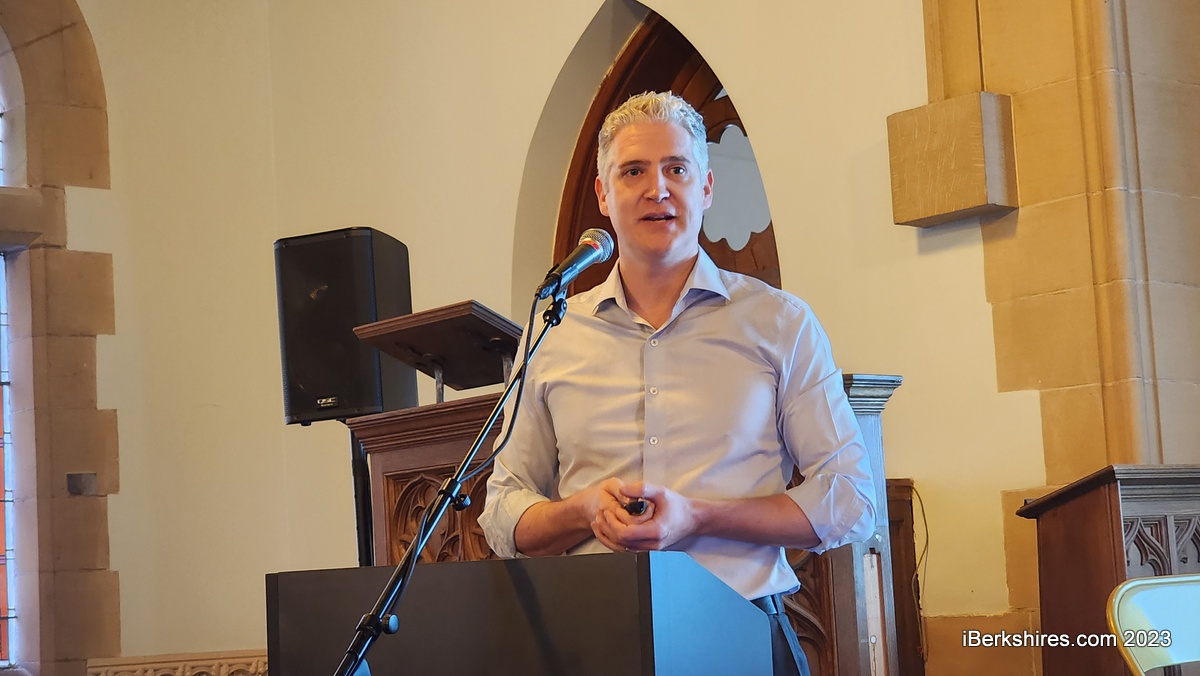
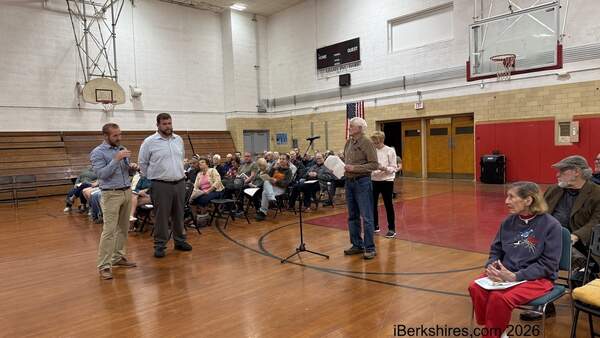
Shared Estates managing partner Daniel Dus speaks at Thursday's public forum on the Greylock Ecovillage plans.
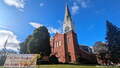
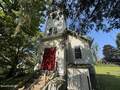
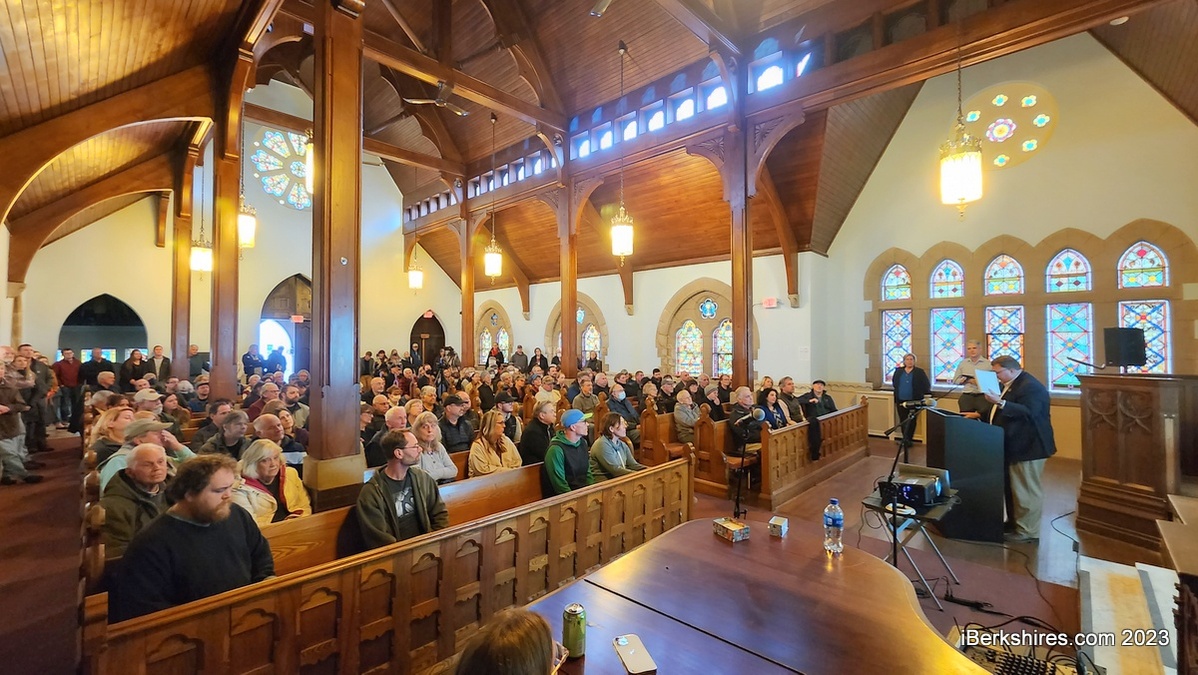
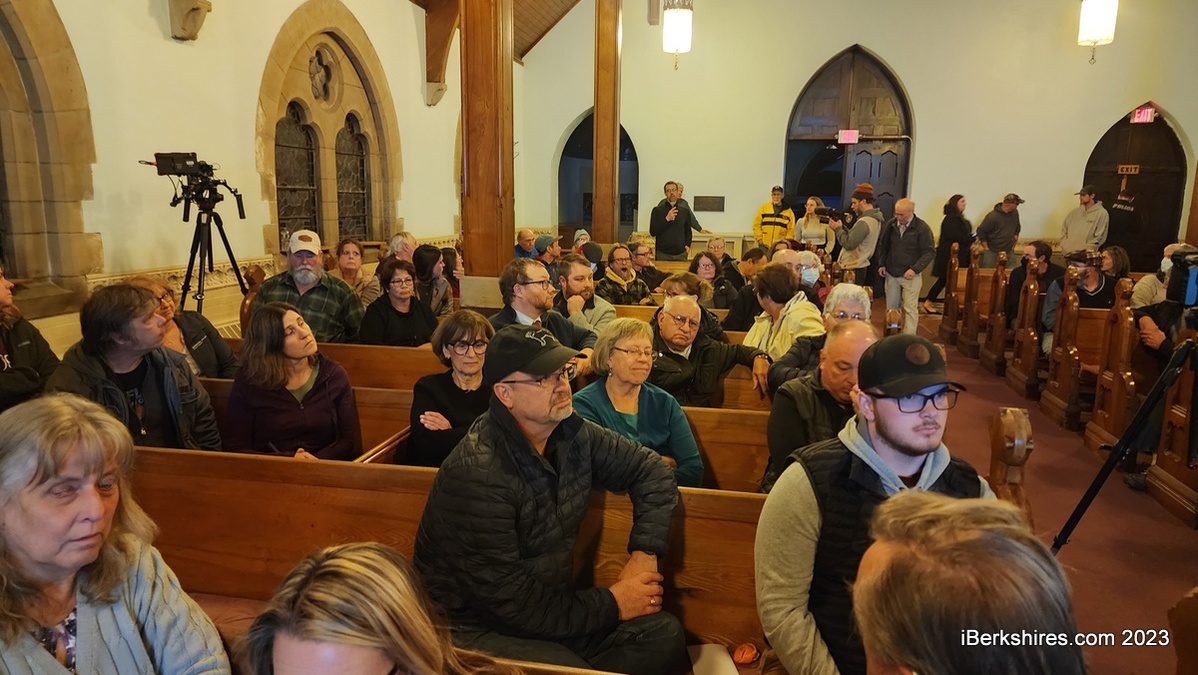
Daniel Dus, managing partner of Shared Estates, spoke to at least 150 people who packed into the former St. Mark's Church to learn about the proposal.
"We at Shared Estates, we're not here to build a run-of-the-mill campground. We're not here to build a project that isn't top notch in every way. We're here to make this an absolutely outstanding stay option," he said. "When people come here, they're going go home and I'm going to say, I never stayed anywhere like that. That was so cool. It was so fun. It was absolutely breathtaking."
Dus fielded a number of questions following a nearly 90-minute presentation as residents raised concerns about environmental issues, public safety, the mix of cabins and tents, Shared Estates' investment structure, and permitting.
The proposal ran into some criticism after being selected in December but Dus said the responses over social media had been largely positive.
Time and again he stated that the company was committed to integrating into the community by addressing local concerns and supporting local vendors.
He pointed to opportunities for local vendors through an app used by the company's guests, an entrepreneurial program for high school students, local equity investments and the partnership's support of community organizations.
And the company is looking for feedback, said Dus, and that input has already meant the controversial mirror cabins are no longer in the plans.
"We believe that it's absolutely essential that this project especially has an active, robust dialogue, and that's what's going to make a successful project," he said.
The campground is projected bring in $3.5 million to $6 million a year and will provide $8 million or more in revenue directly to the town over 25 years. The year-round facility is expected to bring hundreds of people to Adams on a regular basis, based on Shared Estates' bookings.
"We want to fill up those empty storefronts," he said to applause.
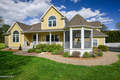
The 9-year-old company has redeveloped a number of significant and historic properties, including George Westinghouse's Playhouse in Lee (featured on Netflix's "World’s Most Amazing Vacation Rentals") and Christopher Reeve's home in Williamstown, for leasing on the short-term rental market.
The funding comes from crowdsourcing, with about 300 equity investors so far at $1,000 and up. About a third are from Berkshire County.
Dus said the target demographic for the campground will be similar to that for the mansions — the middle class, multigenerational families that make up between two-thirds and three-quarters of their guests.
"Group travel is actually our core market. ... These are very high-end mansions in South County. What the heck are you doing with a campground, right?" he said. "In fact, it's the exact same target demographic."
The key is the number of beds available for these groups.
"We think this project is going to crush it," Dus said, because unlike renting a mansion, "people can find the accommodation size they're looking for."
Other factors for success the company found in its research are an inclination for outdoors activities in the Berkshires and a desire to support sustainable and carbon neutral ventures.
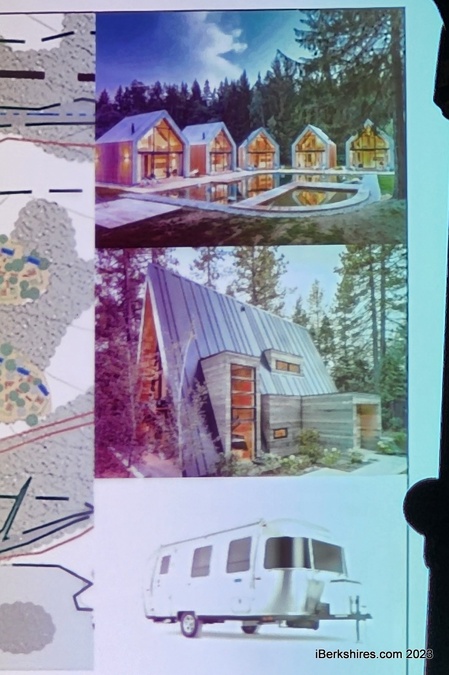
The campground will have a mix of modern cabins, Airstreams and tent sites for a capacity of 250. While on the same footprint developed in the master plan some years ago, the solar-powered, environmentally conscious "ecovillage" will have half as many sites at 72 with more clustering to conserve greenery.
The master plan from the beginning was to offer tent sites (considered "primitive" because they were walk-ins), rustic cabins and eco-cabins. The developer will continue to work with Vanasse Hangen Brustlin Inc., the design and engineering firm that's been with the glen project for nearly 16 years.
Dus said trails will not be touched and that there will be minimal soil disturbance. Some clearing will have to take place but about $1 million will be spent on landscaping with semi-mature trees and gardens.
Several people questioned the types of accommodations, arguing for more tenting opportunities and using B&B Micro Manufacturing's tiny homes rather than Airstreams, describing them as "soda cans in the woods."
Dus said he's interested in working with B&B and they'd take a look at more tenting. But he acknowledged that tent sites starting at $40 are loss leaders and were being included in terms of accessibility and variety.
The Shared Estates' sites may be high end but he characterized them as affordable, saying they roughly run around $100 per person per night, about the same as the average motel. The difference is they can sleep more people.
One woman told how she likes to hike up to the lean-tos on Mount Greylock to camp for free but that's not for everyone. And she wondered how the campground would work with the outdoor center on public programming like a mushroom walk.
"I hate it but it doesn't mean the town can't benefit from it," she said, adding that her brother's family probably would like it. "But maybe we can go on a mushroom walk or maybe they go into the Daily Grind."
Dus said there is a desire to collaborate with the outdoor center, now under construction, and there are discussions with the town.
There was an objection to the "Greylock Ecovillage" name for a transient venue from one attendee; Dus thought it fit considering it was grass roots, community oriented and carbon neutral but later added that it was only a working name. He said they'd solicited some recommendations but had yet to receive any.
In response to permitting questions, he noted that some $3 million had been spent by the town and state on studies and permits already. Shared Estates' plans would still have to go through the Planning Board site review process and that they are talking with the state about any necessary study updates.
"We would not take this on from scratch if all the permitting wasn't in place," Dus said, adding it was the town and state's work that is making it possible.
Prior to Dus' presentation, Town Administrator Jay Green ran through the history of the glen, its failed private investments, and the years of work it's taken to get to this point.
"The town of Adams has to decide where it wants to be in this market when the door opens," said Town Administrator Jay Green. "There's limited time to step through. That time is now."
Tags: Greylock Glen,