Letter: Accessing Benefits From Recent Climate Legislation
 |
To the Editor:
The Berkshire chapter of Citizens' Climate Lobby and its partners are hosting a free public forum on the evening of Monday, April 3, that will highlight recently passed climate legislation and the opportunities available to local governments and their constituents.
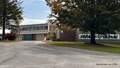
The Berkshire chapter of Citizens' Climate Lobby and its partners are hosting a free public forum on the evening of Monday, April 3, 2023, at the Berkshire Innovation Center, at 45 Woodlawn Ave. in Pittsfield. The event is open to the community, and the reception with appetizers will begin at 5:30 p.m., and panelists will begin at 6:15 p.m.
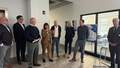
The panelists are Massachusetts state Sen. Paul Mark, former Undersecretary of Energy and Climate Solutions Judy Chang, Executive Director of Green Energy Consumers Alliance Larry Chretien, and Congressman Richard Neal with a brief message.
The forum, sponsored by The Berkshire Eagle, Berkshire Innovation Center, Ener-g-Save, and Citizen's Climate Lobby, will highlight recently passed climate legislation and the opportunities available to local governments and their constituents. The panelists will explain the benefits of these new laws including job creation, access to immediate rebates, generous tax credits, and more, and will appeal to businesses and individuals alike. The event will be live-streamed on Pittsfield Community Television. Moderated questions from the audience will be posed to the panel.
"I am excited to join local leaders, community members, and climate activists to discuss state and federal legislation recently signed into law and how these new policies can benefit us in the Berkshires," declared Senator Paul Mark. "Climate change is one of the most important issues we face as a state and as a nation and how we respond to this challenge and work to proactively mitigate the negative consequences is going to impact all of us in a tangible way for years to come."
Uli Nagel of Lee, liaison to Congressman Richard Neal's office, shared her concern, "Lack of snow cover in the winter is hurting our local ski resorts, and the drought-like conditions in the summer are difficult for local farmers. Events like these help educate our community; these new laws can help to slow that trend."
Christine Kelly
Sheffield, Mass.