Berkshire Museum Displays Artwork by Ex-Incarcerated Individuals
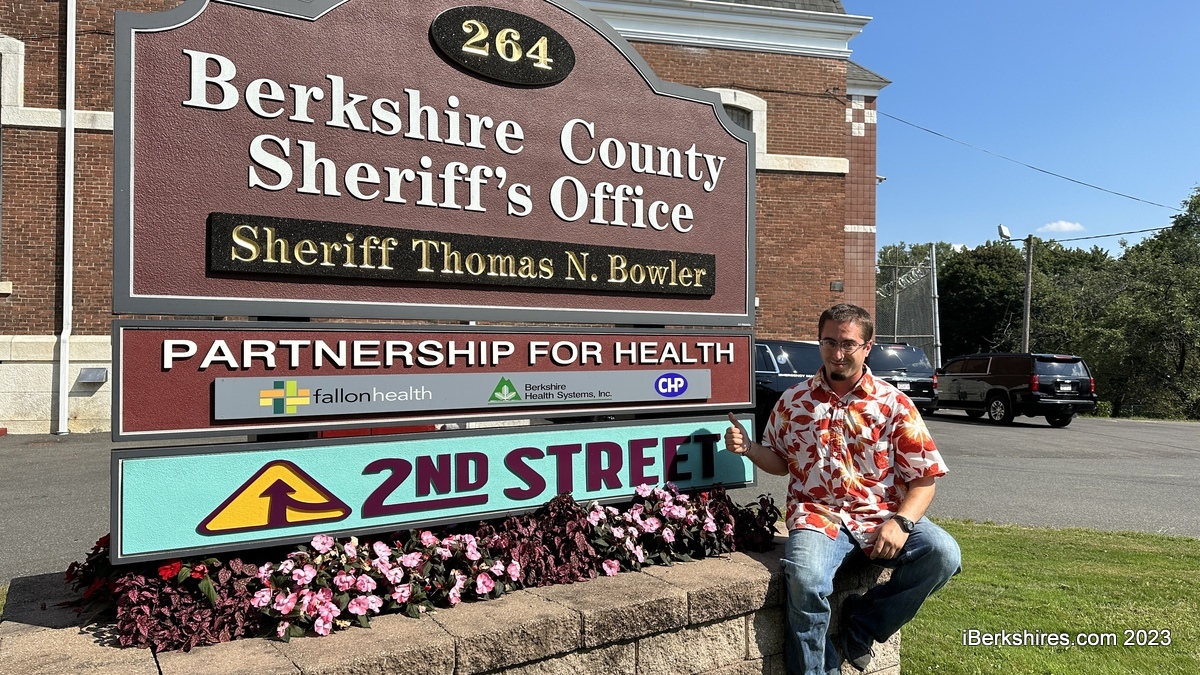
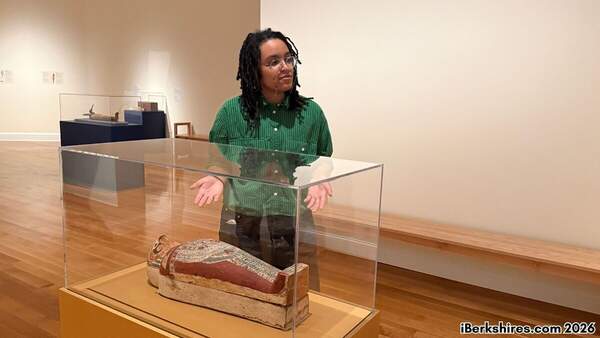
Daniel Lowenstein is one of the artists in the exhibit.
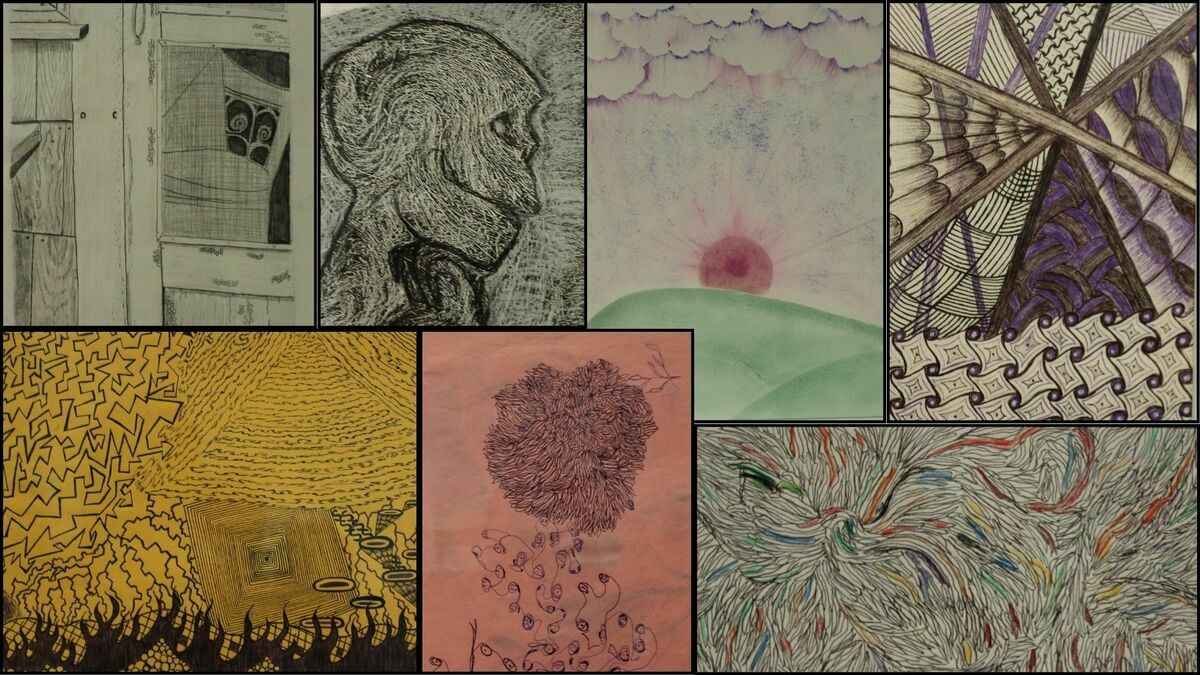
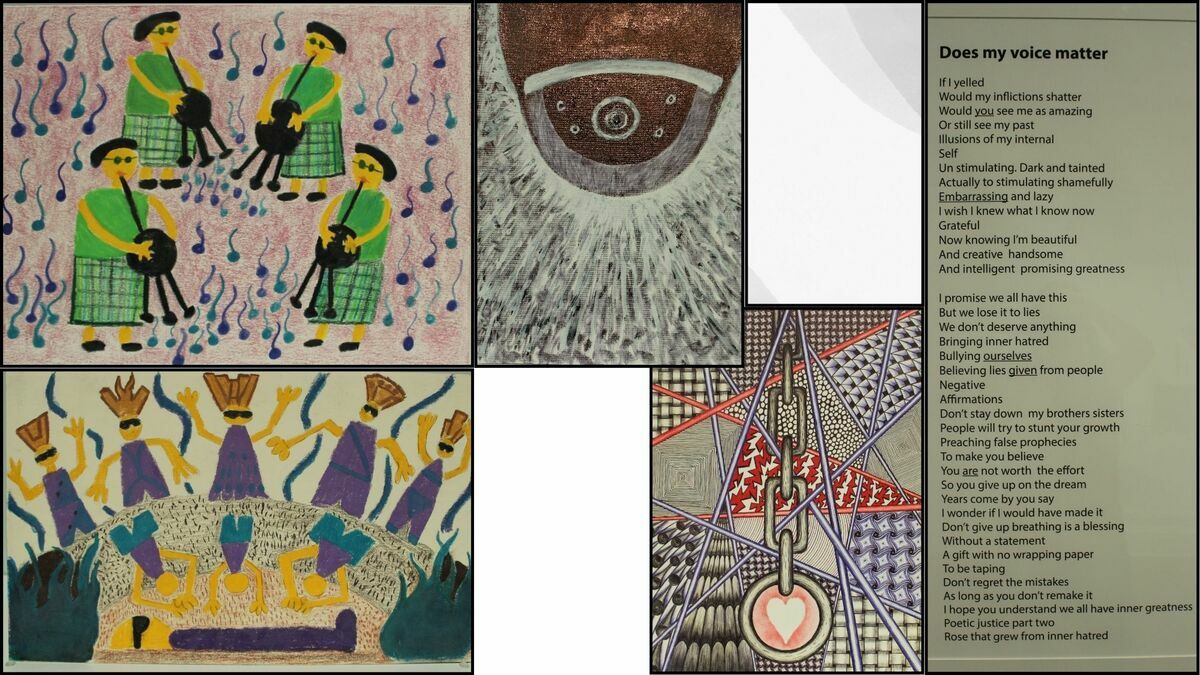
The installation displays 12 pieces of work from poetry to paintings made by presently and formerly incarcerated individuals in Berkshire County.
The goal of the exhibition is to change the perception society has toward those who spent time in jail, Second Street Second Chances Board President Mark Gold said.
It is important for the community to see these people in a different way because a lot of time they are stereotyped and stigmatized and an exhibit like this provides the community a chance to see them in a new light, he said.
"I think it's a distrust. It's not understanding what went into what is essentially a lot of times, not all the time, but a lot of times it's just a bad decision. All of us have made bad decisions. A lot of us didn't end up incarcerated for them, but we still made them," Gold said.
"These are people who made bad decisions. and if they don't want to turn their life around there's nothing we're gonna do but if they do, we're there for them."
Sheriff Thomas Bowler echoed these remarks adding that these artists are "very talented individuals in many different ways" and that seeing their work on display at the museum is a wonderful experience for the community and the artists.
"A lot of these individuals are not bad people that just made some bad choices and letting them express themselves and be a part of the community it's just a wonderful experience for them as well as for us," Bowler said.
"We know when they come out, they're coming back into our community. They're part of our community. We want them to feel welcomed back in their community, and let them contribute to the community as well."
One of the artists, Daniel Lowenstein, remarked, during a followup conversation, that the general population not being understanding and being incapable of showing empathy for people who have been incarcerated makes reintegration exponentially more difficult.
"Creating art is a way to sort through emotions and life events. I would say art gives people a way to navigate the world and also through creating art, maybe a way that the world can understand you," Lowenstein said.
Although a person's experiences when incarcerated is not universal it still is not a pleasant experience and can be a strain emotionally and mentally. It is "inherently traumatic" but does not receive sympathy from society because it is "viewed as a deserving punishment," he said.
Although it is a product of having committed a crime it is still a difficult experience to live through.
"I think for people living through incarceration, creating art can be a way to help sort through the pain and struggle of that experience and I think at the same time by creating art, maybe it helps people recognize you as still having feelings and being capable of expression," Lowenstein said.
Viewing incarceration as a punishment and believing they should suffer for it is not productive, he said.
The goal of incarceration in our justice system is correction, Lowenstein said, to help the individual see that their behavior was wrong and reintegrate them so they can be a productive member of society.
Upon leaving corrections, however, there is a societal judgment that you can not be trusted again and that you are "worthless" or "monsters" because you were incarcerated.
"I think it's important the public is exposed to this perspective because until the public has more understanding, reintegration will continue to fail," he said.
This exhibit is really important for the Berkshire Museum and the community, the museum's chief curator Jesse Kowalski said.
The museum hopes that this exhibit will demonstrate that the Berkshire Museum is a welcoming place because a lot of people do not feel welcome at museums and believe that it is a place for a certain crowd, Kowalski said.
"I think it's great for people to come in and see that it's not just certain people that are allowed to have their artworks on the walls or become famous or whatever, and that everyone really deserves a chance," he said.
The museum hopes to make this exhibit an annual occurrence so that they can continue to provide this opportunity for presently and formerly incarcerated individuals, Kowalski said.
Being a community oriented organization the Berkshire Museum was thrilled when Second Street reached out to them a year ago to inquire on this opportunity. When Kowalski joined the museum in April, he joined the team.
More information on "Insight Out" here.
Tags: art exhibit, Berkshire Museum,