Central Berkshire Officials Pass Policy Mandating Recess
DALTON, Mass. — The Central Berkshire Regional School District approved a controversial wellness policy during its meeting on Thursday night that mandates recess time. There have been times when elementary teachers have used the time for extra study.
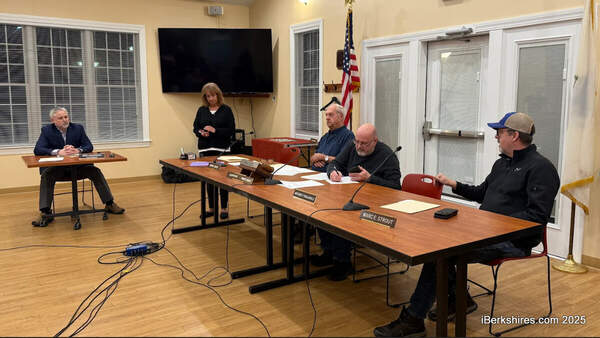
The policy passed 8-5 after a discussion focused mainly on Section 3 that covers policies around physical activity and recess.
Some School Committee members argued that the language surrounding recess was vague making it easy to misinterpret.
The policy states that students are required to have a 20- to 30-minute break of " unstructured free-play" to optimize social emotional learning.
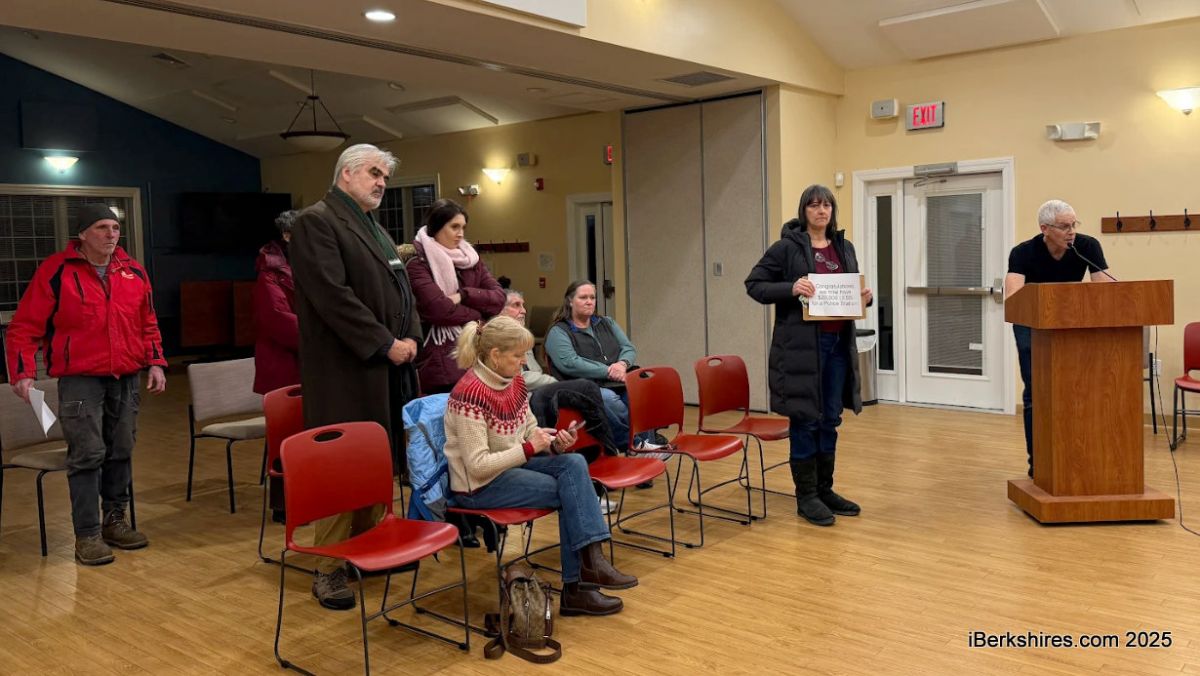
Teachers union President Liz Jackson attended the meeting to express her concerns and frustrations regarding this new policy stating that it was unnecessary.
She has recess duty for two different elementary schools twice a week and observed that it goes well. Sometimes a student will go outside a little bit later than the beginning of recess but the current system is not broken, she said.
"It's not something that we need to put our energy into. We're hyper focusing on that now," Jackson said. "I'm not even sure if the people who wrote the policy have ever done recess duty or visited during that time, or visited elementary."
The district has great educators that know the needs of their students, she said. "Let them do their work. They're doing great work. Let them just do that. You don't need a policy for it."
Teachers are under a tremendous amount of pressure in elementary schools to teach reading and math skills, Assistant Superintendent Michael Henault said.
You can’t fault a teacher who prioritizes giving a student extra help over recess, he said, but studies have shown that the extra 15 minutes of help in the long run is less important than daily physical activity for students.
"The way that I read this policy, is we're saying we're prioritizing students' mental health and well-being for 30 minutes a day, when the rest of the six hours that they're here are focused very rigorously on math and reading and we are going to make sure that we provide every student with that 20 to 30 minutes per day," Henault said.
A policy like this is needed because there are cases where a teacher's judgment was to not allow a student to go out to recess if they need extra help, Policy Subcommittee Dick Lacatell said.
"Nobody wants regulation or guidelines or policy policies, but they're put in place because of abuse of some fashion. And it was felt at one point that we had to document or codify the requirement to allow children out for recess, because of teachers' judgment, in some cases, they were not being allowed to go out," Lacatell said.
The district's previous policy essentially says recess shall be provided, but during a visit to Kittredge Elementary School, there were a couple of days where kids were in the classroom rather than outside, School Committee member David Stuart said.
Using similar policies from districts across the state, Stuart worked with the subcommittee to create a policy that is a little clearer, encouraging kids to go outside.
The policy change can be interpreted two different ways, Safety and Wellness subcommittee Chair Elizabeth Lounsbury said.
Either it can be read that the policy does not have restrictions on when a teacher can use recess for additional extra support or it does because extra help is not included in the recess policy, she said.
There is a law that was proposed in 2017 mandating that students have a right to recess but it has not passed, Superintendent Leslie Blake-Davis said, but it could be since it is still "hanging out there."
The bill went before the joint committee with the House and Senate in 2017, nothing has happened since, Stuart said.
The policy does state that recess can be withdrawn as a consequence of an individual's behavior when it jeopardizes the health and safety of the student or others and only after all other means of addressing the issue has been exhausted.
To some this section read that a policy could be withdrawn from an entire classroom, while others felt it was clear that it is referring to using it as a consequence towards an individual student.
"I definitely think that we need to do something in order to clarify [the policy] because if multiple people just around this room are interpreting this language differently than everyone is going to interpret it differently and therefore it's not serving the purpose that is supposed to," School Committee member Charlotte Crane said.
Tags: CBRSD, school policy,