State Shelter System Approaches Capacity Limit
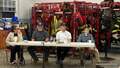
BOSTON — Emergency Assistance Director Lt. General Scott Rice provided an update on next steps for the state's emergency family shelter system as it approaches its capacity limit.
Earlier this month, Governor Maura Healey announced that the state does not have enough shelter space, service providers or funding to safely expand beyond 7,500 families. As of Monday, Oct. 30, there are 7,319 families in emergency shelter.
"The Incident Command Team has been hard at work over the past few weeks preparing for this new phase of our emergency family shelter system and keeping in close communication with our partners. We are implementing some key changes this week that will help our team assess families for eligibility and prepare to launch a waitlist when we reach our limit of 7,500 families," said Emergency Assistance Director Rice. "We are committed to ensuring that families know about resources available to them while we prioritize helping long-term shelter residents exit into more stable housing options and connecting them with work opportunities. The Healey-Driscoll Administration continues to call on the federal government to act to address this federal problem, especially when it comes to the need for a large-scale, overflow site for families to stay until a shelter unit becomes available."
Eligible families will continue to be placed into shelter until the system reaches 7,500 families, at which time a waitlist will be established. The Incident Command Team expects this capacity limit to be reached imminently. In preparation, the state is implementing a number of changes effective November 1, including:
-
Families will apply for the Emergency Assistance (EA) program at EA field offices, the EA phone line at (866) 584-0653, or the Quincy Family Welcome Center at Eastern Nazarene. They will be screened for EA eligibility, which includes completing the EA application, verifying identity, verifying familial relationship, checking electronic databases, and gathering all available documentation.
-
If a family is determined to be eligible for EA, they will complete a Clinical and Safety Risk pre-screen questionnaire to self-report immediate clinical and/or safety risk concerns that may necessitate priority for placement. Translated forms will be available.
-
Families that demonstrate a clinical or safety risk in the pre-screen will complete a full medical assessment to further establish prioritization.
-
As families exit the shelter system, new families will enter vacated units. If there is no capacity on a given day, families will be placed on a waitlist and notified when a unit becomes available. The order of the waitlist is based on whether a family has a clinical or safety risk priority designation combined with the date they were deemed eligible.
-
When a unit opens for a family on the waitlist, they will be contacted via phone, email and text.
-
Families placed on the waitlist will receive information about other resources available to them, translated into several languages. They will also be assessed for basic needs and offered the opportunity to apply for public benefits through the Department of Transitional Assistance, receive necessities including diapers, hygiene products, and formula, and be referred to community-based resources.
The Allston Family Welcome Center will continue to assist families with applying for public benefits through the Department of Transitional Assistance, providing necessities including diapers, hygiene products, and formula, and referring families to community-based resources.
In an effort to help families exit emergency shelter and move into more stable housing options, the administration has expanded its HomeBASE program, which helps cover rent and other costs for families with children under 21 years old or pregnant people. The maximum HomeBASE benefit has been raised from $20,000 to $45,000 to provide over three years, previously 24 months, in rental assistance and related support. Additionally, to help more families access the program faster, presumptively eligible families can now access HomeBASE funds, and landlords can receive a bonus payment equal to one month's rent for a successful lease up.
The administration will also offer mobile vouchers to the approximately 1,200 EA families who have been in EA longer than 18 months. Mobile vouchers, also known as tenant-based vouchers, are rental vouchers which are valid for any housing unit that meets the standards of the state sanitary code. Rental vouchers are among the most effective, evidence-based interventions to end family homelessness.
Earlier today, the Healey-Driscoll Administration announced that they are coordinating with the U.S. Department of Homeland Security to host a work authorization clinic for migrants staying in emergency shelter during the week of November 13, 2023. The state will be providing transportation from shelter sites to the clinic, which will take place in Middlesex County.
The administration has also launched several programs to provide legal assistance to EA families and help shelter residents start working, including a new partnership with Commonwealth Corporation Foundation to connect businesses to individuals in shelter who are still waiting for their work authorization but looking to gain on-the-job training and skills development. This new program is beginning as a pilot, starting with Salem but with interest in building business partnerships in other shelters and communities over time. Interested employers and businesses should contact LWDBusinessinfo@mass.gov.
The United Way Migrant Relief Fund also supports the essential needs of migrant families, including temporary accommodations, food, clothing, diapers, hygiene items, transportation, health screenings, translation services, ESOL classes and legal assistance. The fund has raised $1.4 million since it was launched in August. More information can be found at unitedwaymassbay.org/migrantre