McCann Awaits Inspection For HVAC Building
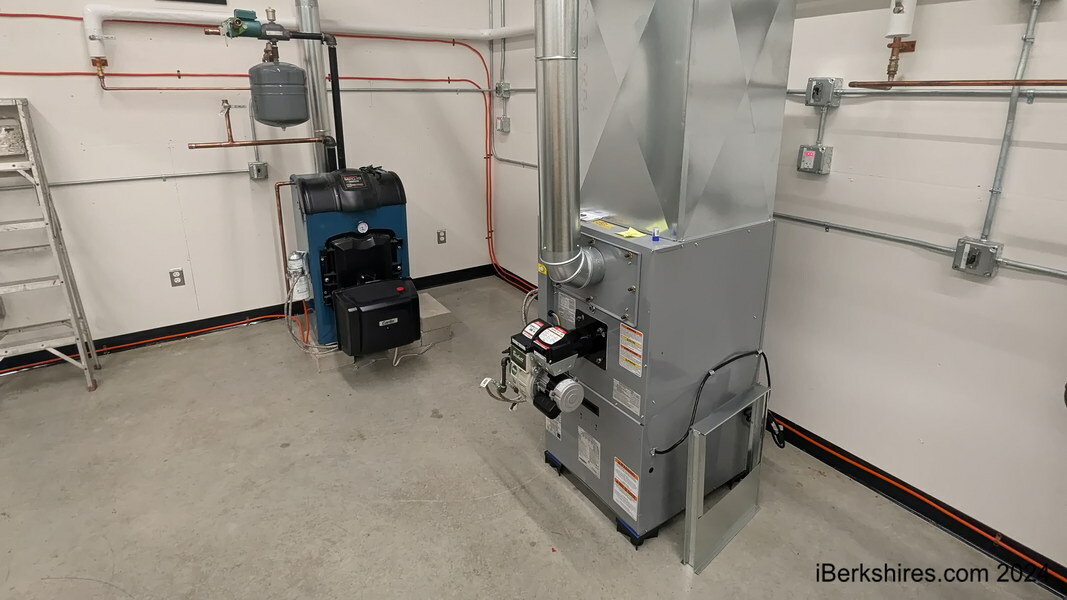
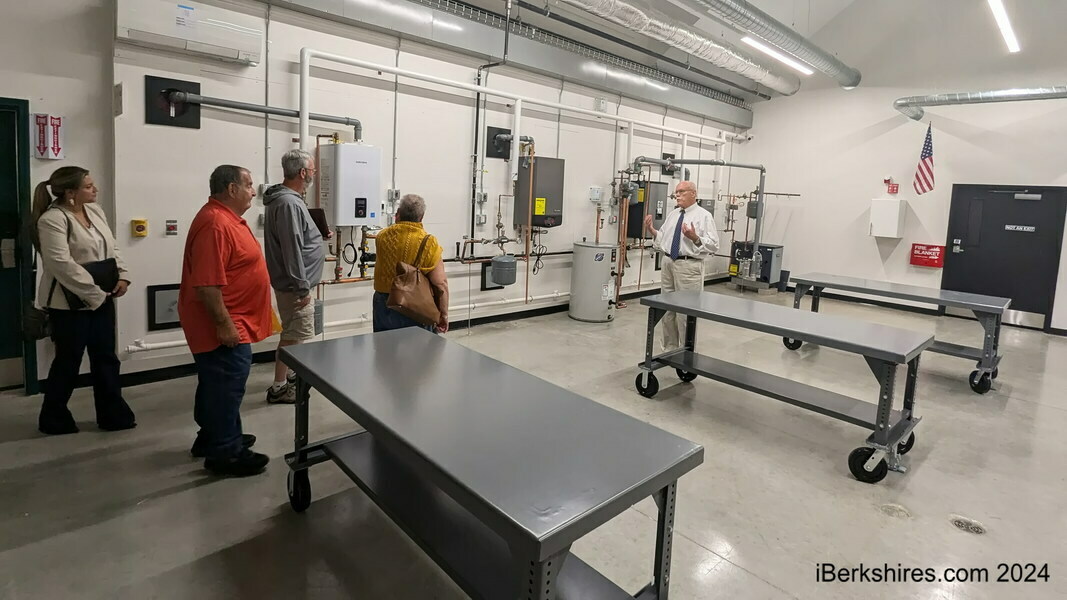
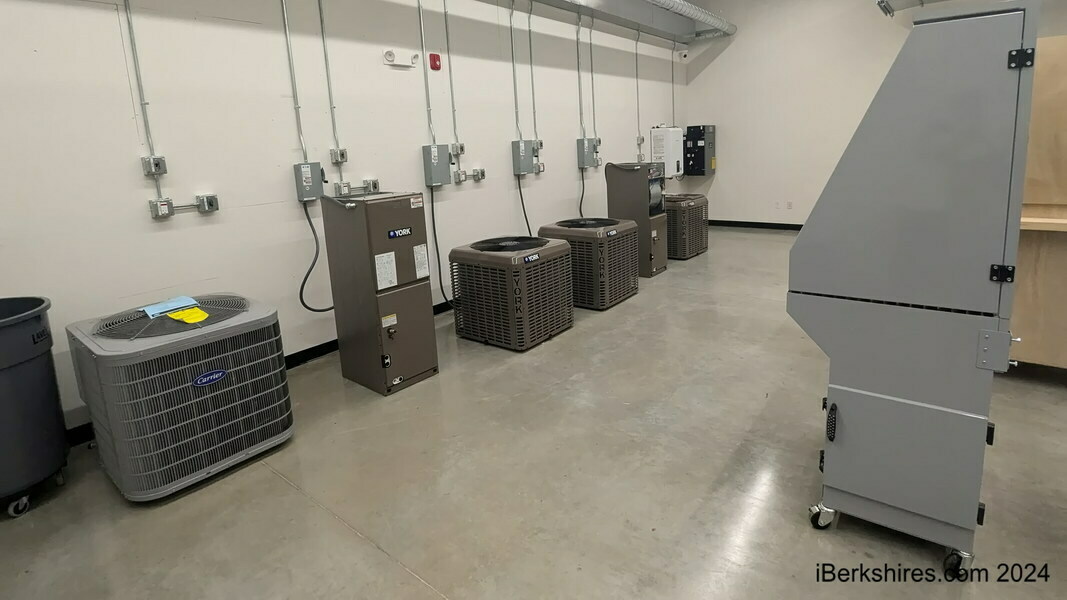
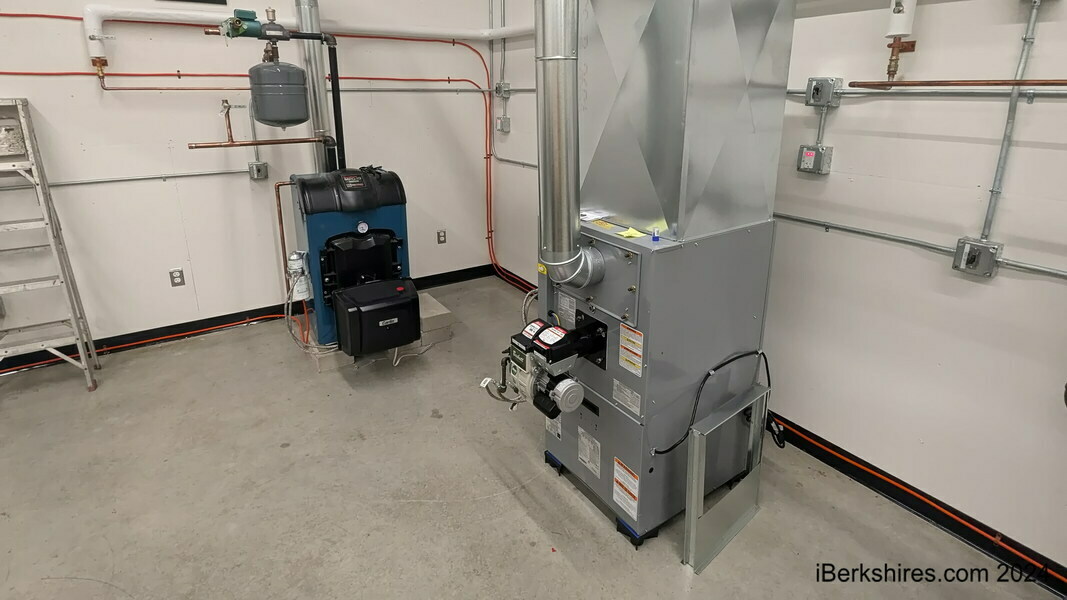
The building has different types of heating and air conditioning systems for the HVAC program that started this fall.
"The Department of Education will come and review and approve the site to meet the criteria of Chapter 74," Brosnan said Thursday after the committee meeting. "If they approve everything officially, the program can continue. They will go through everything and make sure the building meets their requirements."
In 2022, McCann was awarded a $3,110,000 Skills Capital Grant to construct the 5,580-square-foot building to implement the new heating, ventilation and air conditioning program. This would include the new building on the school's campus as well as equipment for the program.
The school has hired staff to run the program and, currently, has been running an HVAC exploratory program for interested students. Being able to use the building is the last piece of the puzzle.
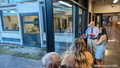
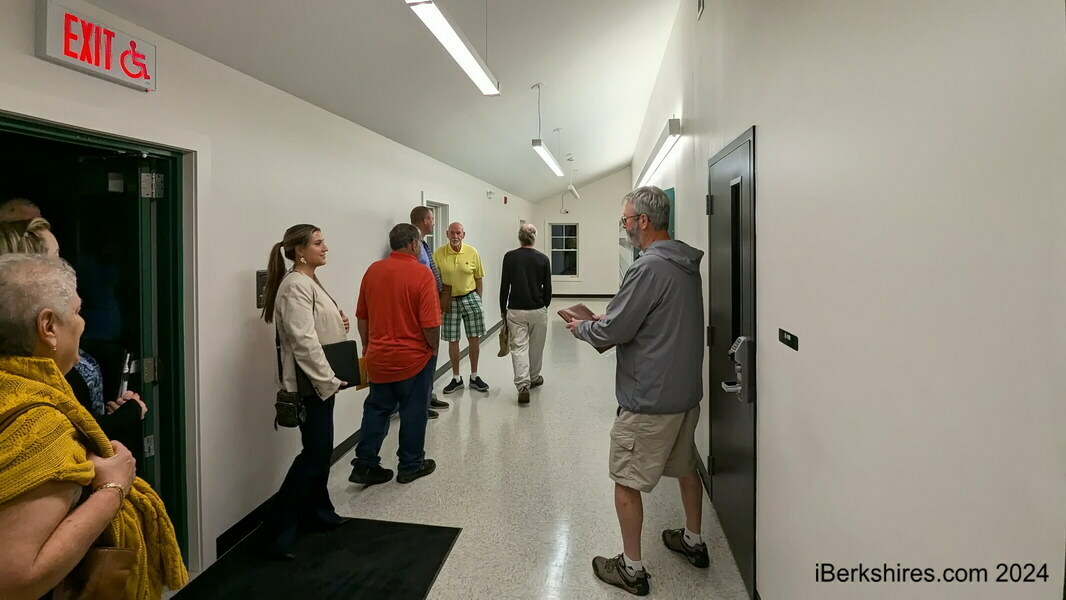
Brosnan brought the committee through the building's foyer, pointing out the two single unisex bathrooms underlining that the building isn't designed to hold a lot of students.
"This is the capacity of the building," he said adding that the individual shops' capacity is around 15 students. "This is all we will need."
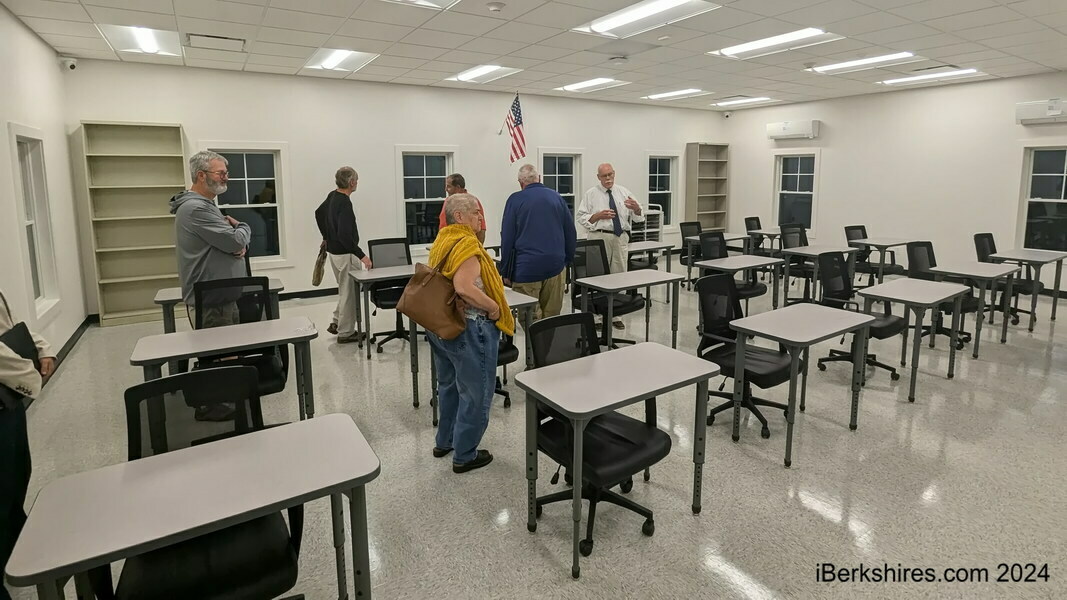
Down the hall there are lockers and Brosnan said once students are in the building for class, they are there for the duration and their shop theory and CTE (career and technical education) classes will be held in the building's classroom.
He said if students need to go back to the main building, they will sign out and walk immediately to the building which will be unlocked briefly for them.
"If they need to go to the nurse, guidance, the office they have access to the building the door opens right after so they can't do anything else or go any place," he said. "They can't go anywhere else they can't go anyplace so we have that structure."
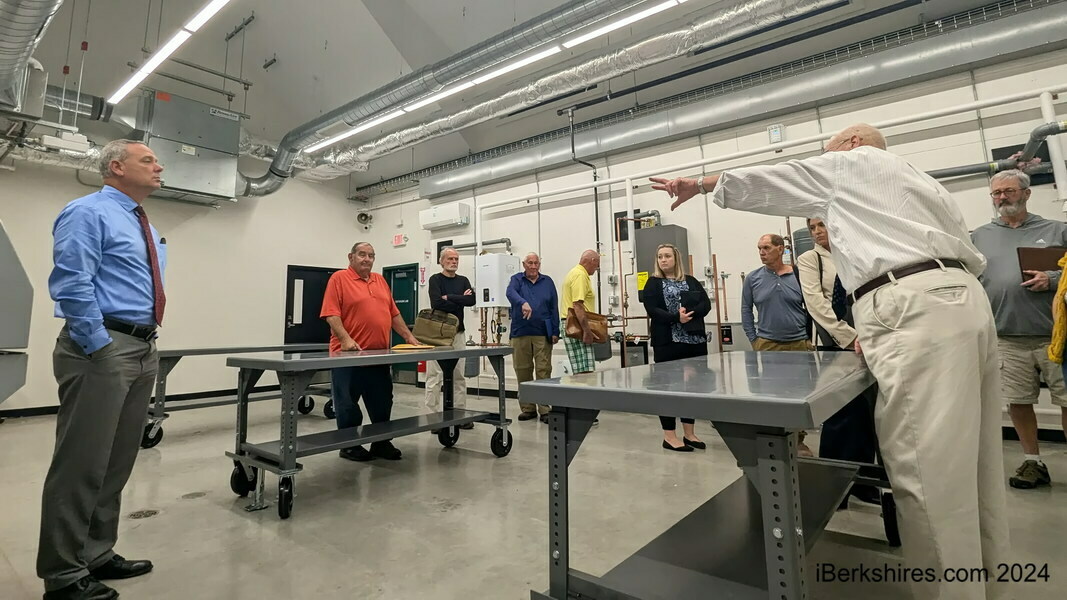
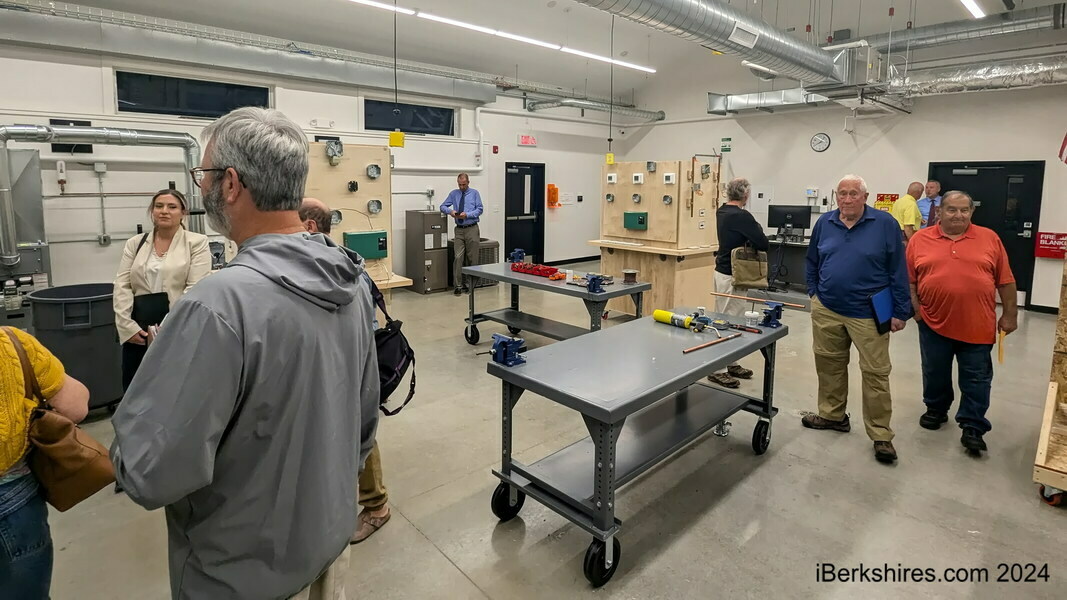
Brosnan walked into the first shop noting many units and workstations would be moved before the inspection.
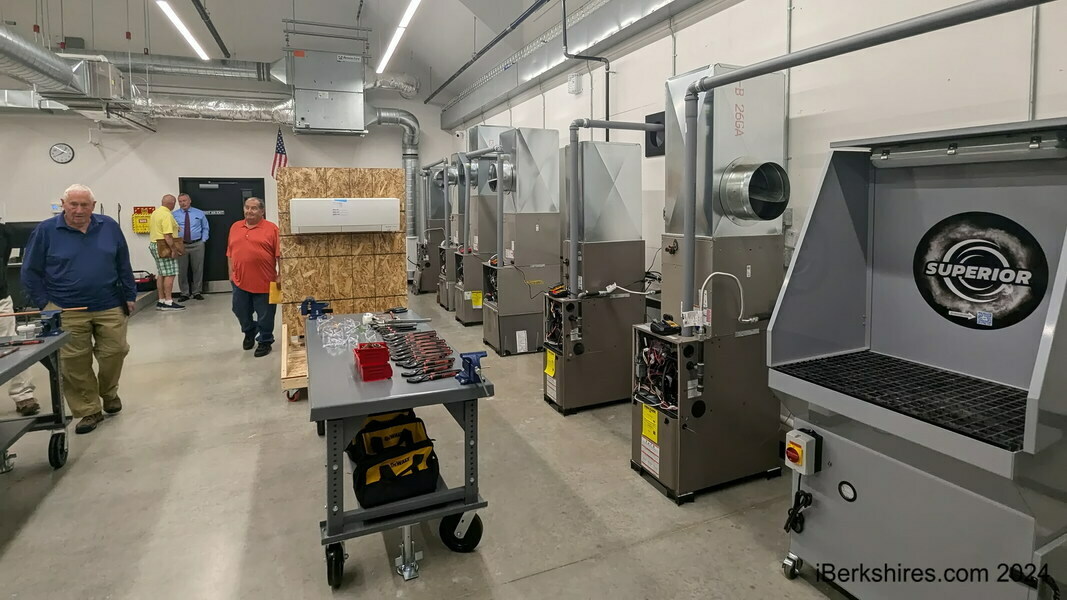
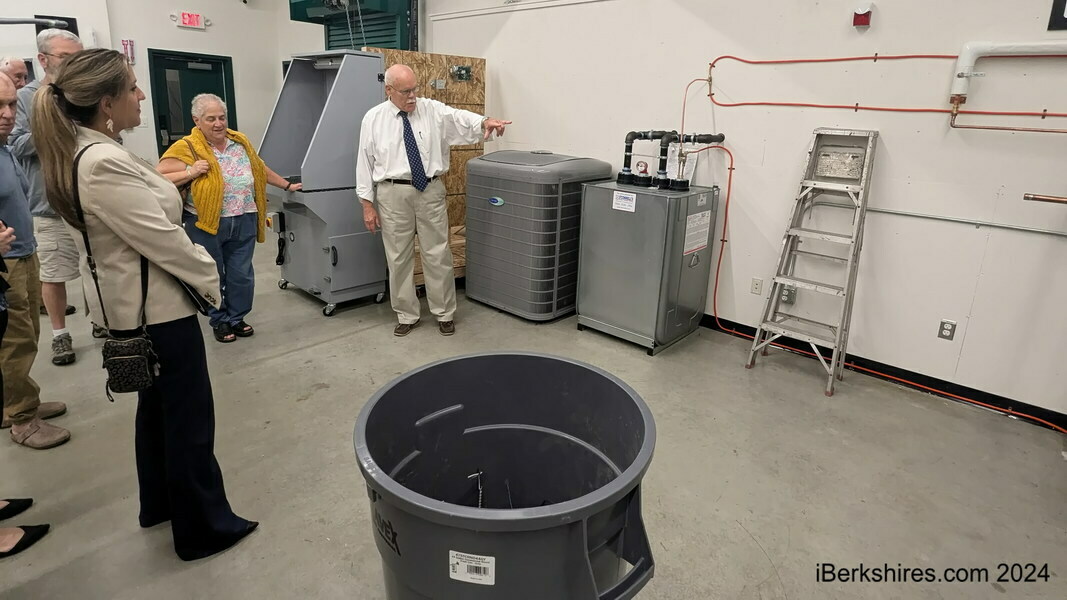
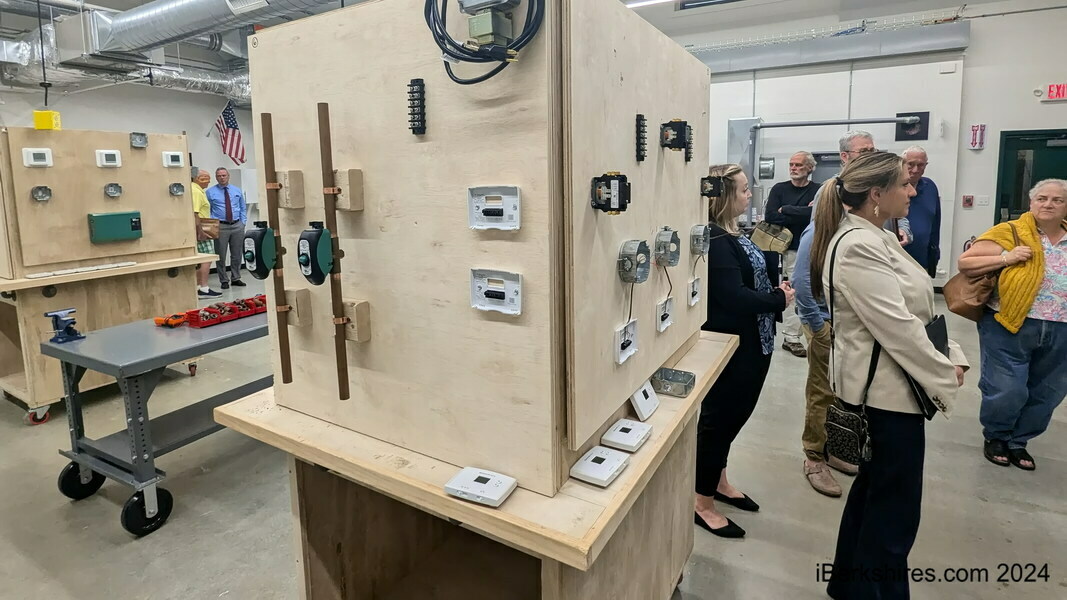
The shops are outfitted with different units students can work on. Students will work on oil burning and natural gas units as well as air conditioning. Wooden moveable workstations are set up for students to work on installing thermostats, control panels and other components.
Shops have fume hoods for soldering and all the required safety gear and implements.
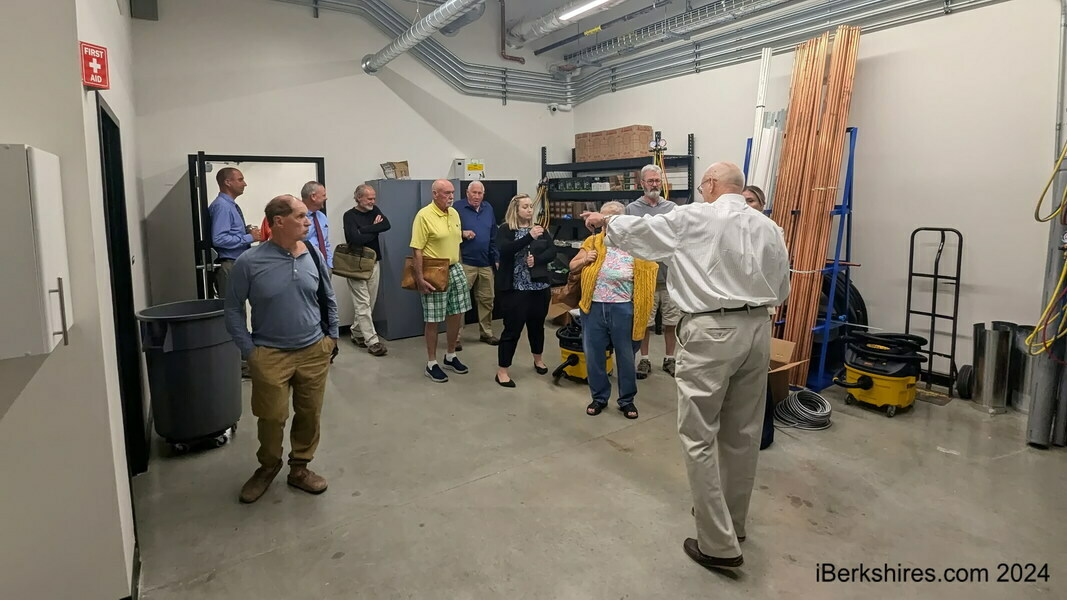
Brosnan walked through a storage room that will remain locked and inaccessible to students.
"These are locked doors and students have no access to this," he said. "This is where your mechanical and the electrical is. Supplies will be kept here, too. Students are not coming in and out of here."
He then proudly pointed to the wall of breaker boxes noting the building requires a lot of electricity.
"There is a lot of power going through this building," he said. "The electrician did a great job."
Outside, students can actually install air conditioning units.
"They will take it out, they will assemble it, balance it, level it and get that experience moving it, connecting it," he said. "Those are all lock-out, tag-out switches so they will do the work with no electricity. The instructor takes the lock off, does the inspection. It is very safe."
He said the building is designed so that students can do a complete install, giving them real-world experience.
"If they just worked on a set station they would not get to appreciate that they have to take the unit off the vehicle, they have to move it on the location, balance it, level it, plumb it," he said. "Those are skills we want."
Brosnan ducked his head out to the portico facing Hodges Cross Road pointing out the hookups along the building. He joked that the portico is also where the superintendent's rocking chair will be placed.
Tags: HVAC, McCann, vocational program,