Letter: Response to Crane and Art re: Notch Reservoir Project
 |
To the Editor:
In the recent guest column "North Adams Is Leading on Climate Response," Dicken Crane and Henry Art argue that one of the key objections to the proposed Notch forest management plan is that "Mother Nature can best manage the forest." They go on to say that is not the case.
The Crane and Art argument badly misstates the concerns of North Adams citizens who are opposed to the project. These concerns as summarized in a recent letter to the editor by Justin Wagg ("Halt the Notch Reservoir Logging Project," Oct. 4, 2024) include:
The risk of contamination to our drinking water from the use of heavy machinery that combined with soil erosion could cause siltation and ultimately the need to dredge the reservoir, the cost of which is likely to be passed on to all those who use this water source, not only residents of North Adams, but also residents of Williamstown and Clarksburg.
Further, we are concerned that because not all wetlands and vernal pools have been properly mapped out, and buffer zones have not been marked out on the ground, it will apparently be up to the discretion of the people operating machinery to make these identifications on the fly.
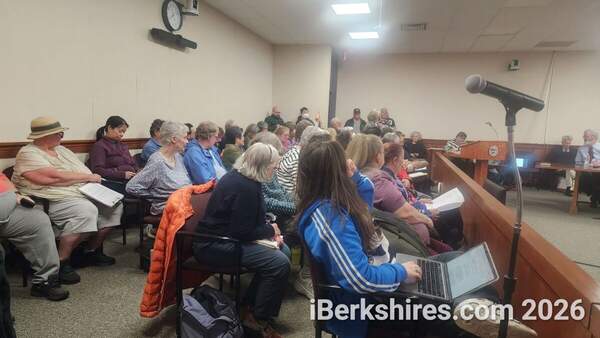
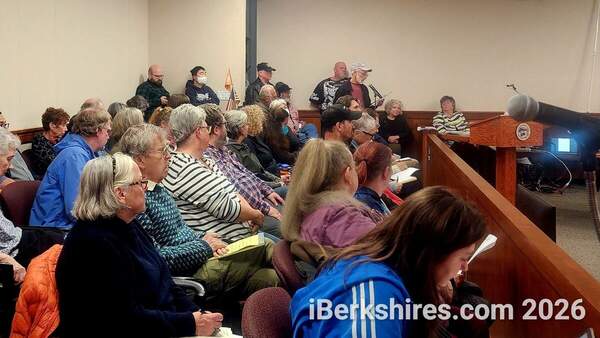
Additionally, Wagg's letter pointed out the lack of a necessary hydrological study of the area, as Audubon representative, Andrew Randazzo, acknowledged in the town hall meeting on Sept. 12, 2024.
Audubon has admitted that logging in the area will result in soil erosion. Homeowners in this area are already suffering the ill effects of previous logging projects, and have legitimate concerns about how their roads and homes will be adversely affected by further erosion.
Bellows Pipe Trail is an iconic hiking trail that connects our community to Mount Greylock. This celebrated trail draws tourists and locals and contributes to the city's appeal and economy. The proposed plan would turn a large portion of this trail into a logging road.
Strain on our local infrastructure. Heavy logging trucks and equipment will have to use Notch, Reservoir, and/or Luce roads (all of which run through residential neighborhoods). There is no plan in place and no money earmarked for repair to these roads. Moreover the safety of our residents does not seem to be a concern.
Little, if any financial benefit to the city from this project has been demonstrated, despite what Mr. Crane and Mr. Art say in their piece. The city's financial projections show a poor financial outcome from the logging project. North Adams is more likely to suffer a financial setback once the cost of infrastructure repair is added in. To risk our watershed, our trails, and increased infrastructure strain makes no sense. A minimal financial gain, if that is the case, does not justify the environmental and community costs.
Then there is this: the way the planning of this project has and is being carried out has resulted in a complete lack of trust, including, but not limited to, the inclusion of a carcinogenic herbicide until very recently (it was removed after push back by the public and the Conservation Commission) and the fact that the cutting plan has not yet been released despite the fact that the public comment period closed on Sept. 30.
The city's representatives, their partners at Mass Audubon, and Mr. Crane and Mr. Art continue to dismiss the legitimate concerns of local residents by repeating the apparent merits of the project without acknowledging the impacts to our homes, roads, and water, and without doing any planning to ensure those impacts are mitigated before, during, and after the work is done.
We are asking that the city of North Adams and its partners respond to our concerns with full transparency about what this plan entails, how it will affect residents and local infrastructure, and what the long-term financial impact of their plan will be.
More information and further study. That doesn't seem like too much to ask.
Julie Blake
North Adams, Mass.