Hoosac Valley School Committee Approves $23M Budget for Fiscal 2026
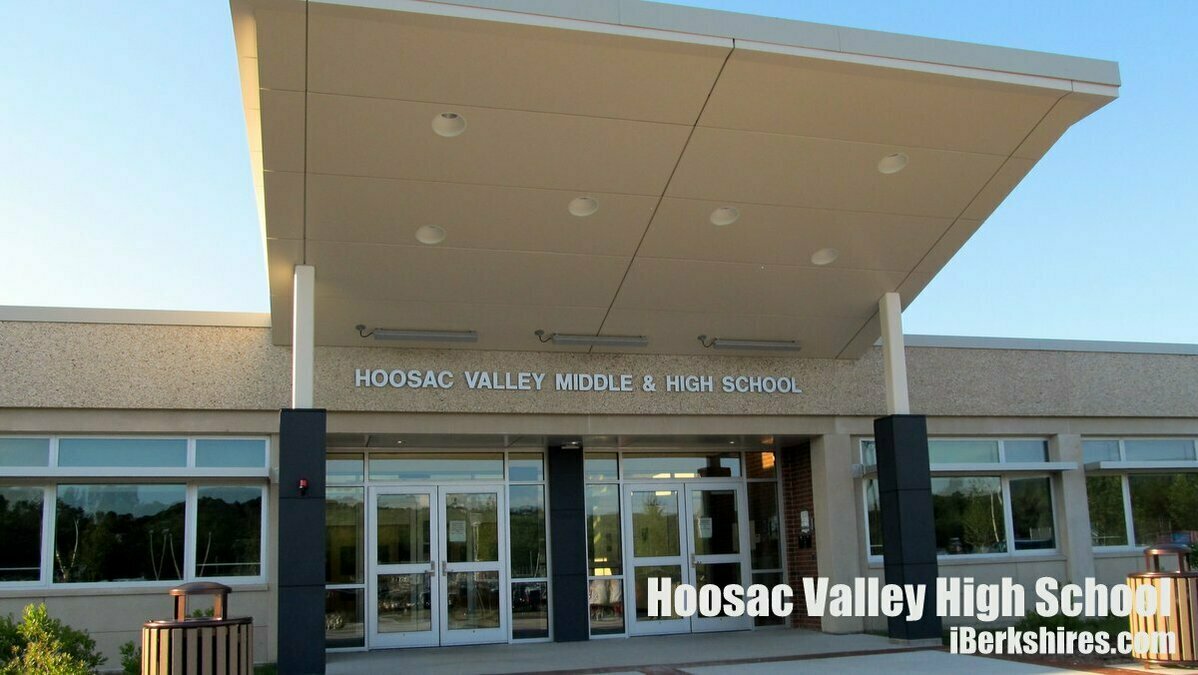
CHESHIRE, Mass. — The Hoosac Valley Regional School Committee approved a fiscal 2026 budget of $23,136,636 on Monday.
The budget consists of a foundation budget of $21,038,650, a transportation budget of $1,013,986 and a capital budget of $1,084,000.
The vote was 5-1 with member Fred Lora voting in opposition.
The spending plan is up $654,917, or 2.9 percent, over this year. Out-of-district special education tuitions and a 16 percent hike in health insurance are major drivers of the increase.
"Between those two pieces alone, we're about a $1.5 million increase in our budget," said Superintendent Aaron Dean. "That doesn't take into account any of our obligations contractually, and things like utilities. So the bottom line is we have limited resources."
The town assessments will be within their levy limits with Adams seeing a 2.3 percent increase of $135,391 for a total of $5,958,203, and Cheshire a 3.623 percent increase of $104,773 for a total of $2,996,643.
"I will point out that both of these assessments are lower than the municipal minimum that was put out by the state," said Dean. "So we did a lot of work and continue to do to get these to a range that I think was respectful to the towns. As you look around, there's a lot of towns that are that are going to go up, 7, 8, 9 percent."
To offset increases, the district will use $500,000 in school choice funds, $275,000 from circuit breaker, another $215,000 in school choice for a partnership with the New England Center of Children that hopefully can be replicated systemwide, $275,000 from the Excess & Deficiency account for building maintenance and $340,000 in Rural Aid to cover salaries for the data specialist, Pathways coordinator, MS student support and the elementary and middle school deans.
"Our theme is about balancing reductions and investments," said the superintendent.
The short-term strategic response is consolidations within the budget and partnerships using allowable funds, he said. "Going into this, our budget reductions are going to primarily be through attrition, retirement."
One consolidation may be in athletics as the district is looking into participation in the Northern Berkshire co-ops. For example, there was only one high school student participating in a skiing co-op and they will graduate this year.
"Currently we have 13 interscholastic sports programs for approximately 300 students. We have more programs than we have students," Dean said. He anticipated the sports structure could look different by fall and, if not, certainly for the following year.
His concern was that the district didn't fall back after making significant investments in curriculum and social emotion programs.
"This is not school in the 1990s, we're in 2025 right now, and the complex nature of the education that we have to deliver is unbelievable. You have seven or eight different levels of need in every single class," Dean said. "A teacher cannot plan for those by themselves. They require support people in and out of classrooms all day."
Lora had objected that he asked for an organizational chart and it was not forthcoming. Dean projected a chart onto the display screen but Lora said it had not been provided to him earlier and that it didn't go into the detail he was expecting.
"All due respect, I did spend some time at the school district office ... it's not like I haven't requested this information in multiple formats, and it doesn't exist," he said. "And if you're going to resource a organization for the future, you absolutely need to look at what you need today."
Dean and other School Committee members said the budget provided the detail as the needs of the district can change on a daily basis depending on student and personnel.
"There's nothing on paper that actually defines what this organization looks like other than the budget sheet in front of us," responded Lora. "I don't believe that that's enough information for the School Committee to make educated vote on spending again, $23 million and approximately 40 percent of that is provided by our two towns."
Dean said every position was filled so the number of teachers and paraprofessionals was met.
"I think we need to sit down and get clarity in terms of what the expectations you have and how you want to see the information," he said. "You're right. I didn't meet your expectations."
Lora voted no on all four motions for the budget: the total budget, the town assessments and the use of E&D funds.
In other business, Dean provided an update on discussions about the regional agreement. The towns are looking at a five-year rolling average on enrollment to prevent dramatic swings to assessments. Dean said the towns' counsels will review the language and bring the amendments back to the committee.
The second amendment proposed to the agreement was having each town elect its representatives separately; currently, they are elected districtwide. However, it was discovered that if the elections were separate, the state will require the proportion on the seven-member committee to be determined by population. This would mean Cheshire
would lose one member, giving it only two representatives to Adams' five.
• The committee charged Dean with writing a districtwide letter expressing its commitment to maintaining the school buildings. Among the maintenance issues being discussed is the repair or replacement of sections of the roof that have been leaking.
• Middle School music teacher David Geer presented a music video made the by his seventh grade of them trying to get to the music room to play and avoiding the hall monitors while their teacher, Geer, falls asleep during the documentary he was making them watch.
The students had been working their way through a number of projects, playing different types of music, and this was the culmination of studio work.
"Each student will lay down their individual parts to some of the songs they've learned, or they pick one song that they really like, and each of them lays down their track as you would in the studio," he told the committee. "The only thing I did was help a few other students act as engineers, because some of the students maybe didn't want to perform music."
Kristen Palatt, director of curriculum, instruction and professional development, said this was an example of the applied learning the district was using.
"We constantly are talking about supporting this shift in instruction in the schools, and what does that look like, and what does that mean across content areas," she said. "This video to me and to Mr. Dean, exemplifies applied learning, and I think it is really clear example of how even music instruction has shifted with this focus on applied learning."
Tags: fiscal 2026, HVRSD_budget,