Governor Initiative To Transform Commercial Spaces Into Homes
BOSTON — The Healey-Driscoll Administration launched the Commercial Conversion Tax Credit Initiative (CCTCI), a new funding opportunity from the Executive Office of Housing and Livable Communities (HLC) to help convert underused commercial buildings into residential and mixed-use housing across Massachusetts.
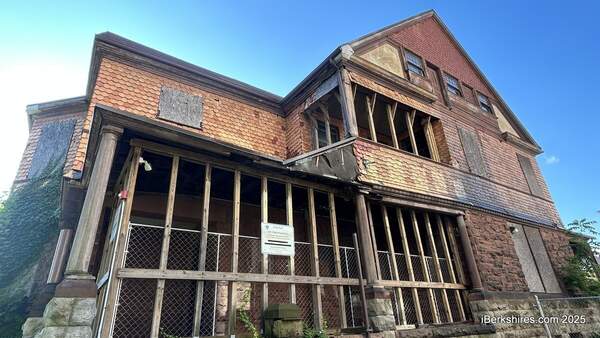
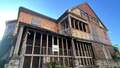
The CCTCI seeks to address the housing shortage head-on by revitalizing vacant buildings, creating new housing in existing structures, and bringing people back to main streets and downtowns.
"Massachusetts is moving faster to create reasonably-priced housing and revitalize our downtowns," said Governor Maura Healey. "This new tax credit helps communities turn empty commercial space into homes – bringing people, energy and small-business customers back to main streets while tackling our housing shortage."
Commercial to residential conversions can be complex and expensive projects, which is why last year the Healey Driscoll Administration partnered with 11 local leaders to identify development-ready commercial sites in their communities that are best fit for revitalization and transformation into new housing.
The CCTCI goes one step further and provides local leaders with the tools to revitalize vacant properties and deliver new homes for their residents through targeted funding awards. The CCTCI was created in the Affordable Homes Act signed by Governor Maura Healey in 2024 and official guidelines and application for the program are now available online.
This Initiative builds on early progress achieved this spring, when the Administration provided funding to two office conversion projects in Downtown Boston and creates a dedicated funding source for commercial conversion projects across the state.
Under the new tax credit initiative, HLC will award up to $10 million in CY2025 through a single competitive round. Typical awards will be $2.5–$3 million per project, and credits may cover up to 10 percent of eligible costs.
Eligibility and Priorities
-
Eligible sponsors include for-profit and non-profit developers and projects must be certified by HLC as Qualified Conversion Projects.
-
Municipal sign-off by the chief elected officer is required. Local contributions are strongly encouraged.
-
Larger projects with 50 or more units, projects where necessary zoning is already in place, and projects funded in-part by local contributions will be prioritized.
-
Eligibility is statewide, with priority consideration for communities that received conversion assistance from MassHousing's Commercial Conversion Initiative in 2024-2025. Projects in other communities are still eligible and will be considered.
Interested developers and municipalities can learn more here. HLC will announce the competition timeline and application materials on the program page.
The Healey-Driscoll Administration has made housing a top priority, starting with the creation of the Executive Office of Housing and Livable Communities in 2023. Since then, the Administration has initiated a comprehensive approach that includes passage of the $5 billion Affordable Homes Act, implementation of the MBTA Communities Law, creation of the Momentum Fund, the new State Land for Homes initiative to jumpstart housing production on state land, sizable increases in housing tax credits and subsidies and the banning of renter-paid broker's fees.