BCC Sees Dramatic Increase in Enrollment, Thanks to Free Tuition Programs
 |
When the Commonwealth of Massachusetts passed legislation creating programs that provide free tuition for community college students — MassReconnect in 2023 and MassEducate in 2024 — administrators at Berkshire Community College knew it would be life-changing for so many of its students. Now that data is available, the boon it created is even greater than anticipated. In 2022, amid the pandemic when enrollment was at a historic low, there were just 1,380 students enrolled at BCC for a total of 11,091 credits. Those numbers have risen rapidly in just three years, with
2025 data showing 2,085 students enrolled (a 51.1 percent increase) for a total of 16,868 credits (a 52.1 percent increase).
Further, when examining the number of matriculated students in the same timeframe — that is, students pursuing a degree or certificate — the increase is even more dramatic. In 2022, there were 991 matriculated students, versus 1,711 in 2025 (a 72.7 percent increase), with 9,069 credits in 2022 versus 15,303 in 2025 (a 68.7 percent increase).
"We are thrilled to see such impressive increases in our enrollment – increases that have surpassed our initial estimates," said Vice President of Student Affairs and Enrollment Management Adam Klepetar. "There's no doubt that free college has opened the door for people who may have thought that getting a college degree was out of reach, which is so exciting to see."
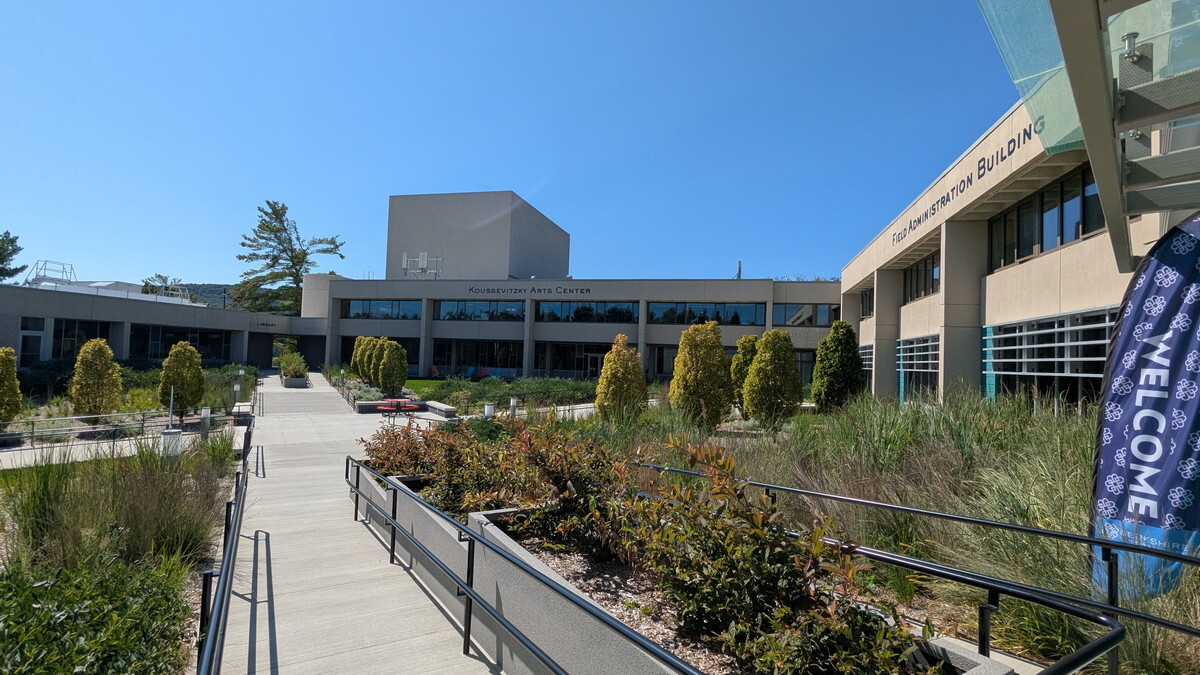
The rising costs of college tuition, together with unprecedented increases in the cost of living, often create a barrier for many people seeking to better themselves through higher education, particularly for historically marginalized people. At Berkshire Community College (BCC), where accessibility to quality education is a cornerstone of the organization, free tuition has opened more doors than any other program in the school's 65-year history.
"It's easier than ever to get an associate degree or certificate, because the majority of our students qualify for free tuition. Those students represent people of all ages and backgrounds," said BCC President Ellen Kennedy. "It's clear from our enrollment numbers that these programs are making an enormous difference in the lives of so many people."
Workforce and ESOL enrollment also on the rise
BCC's Workforce team helps individuals achieve their career goals through comprehensive training, resources and support, with the goal of empowering students with the tools and knowledge they need to succeed in the Berkshire County job market. With an attractive slate of courses and flexible schedules — and with real results in local job placements — the program has also seen significant growth. According to Executive Director of Workforce and Community Education Linda Clairmont, almost all Workforce programs have seen an increase in enrollment from 2024 to 2025. Those programs and enrollment data include:
- Medical Interpreter: Enrollment grew from 9 to 12
- Phlebotomy: Enrollment grew from 7 to 17, and the fall class is full
- Certified Nurse Assistant (CNA): Enrollment grew from 3 to 15, and the fall class is full
- Community Health Worker (CHW): Enrollment grew from 8 to 15
- Emergency Medical Technician (EMT): Enrollment dropped from 18 to 7, but students are still enrolling
- Registered Behavior Technician (RBT): Enrollment grew from 5 to 11, and students are still
- enrolling
- Para Educator: Enrollment grew from 6 to 10
- AI Essentials: This new class has 15 students enrolled; there is currently a wait list
- Front End Web Developer: This new class has 6 enrolled, and students are still enrolling
In total, the number of Workforce students grew from 56 to 108, nearly doubling over the course of just
one year.
Spring 2026 will see new additions to Workforce programming, and the Workforce team aims to increase enrollments across all sessions. And, in order to improve retention, completion, industry credentialing and job placement, Workforce has a new program for Workforce Success and Readiness, Clairmont explained.
"Beyond technical skills, these activities will give non-credit workforce students resources to successfully complete programs and the durable skills needed to enter the workforce," she said.
Beginning in late 2025 and early 2026, Workforce will begin preparing lab and classroom spaces for a new HVAC heat pump training program, with classes beginning in 2027. This skilled trade program is intended to offer new entrants and incumbent workers the skills needed to meet clean energy technology for HVAC, pump and mini-split technicians. And in January 2026, Workforce will offer three non-credit workforce training programs for AI skill building.
"With all of these new offerings in the pipeline, we expect enrollment numbers to increase even more," Clairmont said. "We are dialed in to exactly what jobs Berkshire County employers need to fill, and we are dedicated to training the next generation of students to fill these jobs."
Meanwhile, the BCC English for Speakers of Other Languages (ESOL) Program served a total of 202 students in 2025 across 13 ESOL classes, which are funded through four distinct grants. The largest funding source — the Massachusetts Department of Elementary and Secondary Education (DESE) Adult and Community Learning Services (ACLS) grant — supported an average of 141 students per month, exceeding BCC's monthly target enrollment of 118 seats by 20 percent.
Overall, the FY25 enrollment in the DESE-funded program increased by 7 percent compared to FY24.
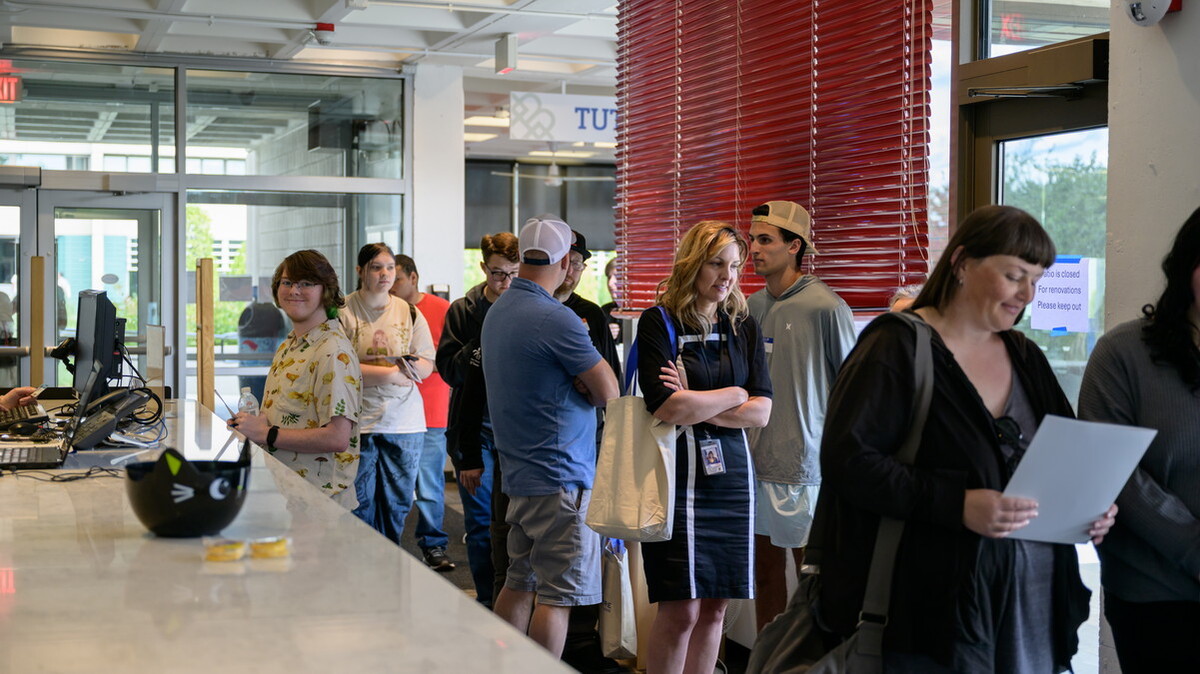
If you are thinking about enrolling at BCC, now is the time! Stop by the One Stop Center, visit www.berkshirecc.edu/admission-and-aid, or call the Admissions Office at (413) 499-4660 to get started. Our friendly staff will help you determine if you are eligible for free tuition, set up a tour of the campus, discuss financial aid options and more. You might be surprised to learn how easy it is to start advancing your education and your career.

Tags: BCC,