Lanesborough Faces Two Lawsuits Following ZBA Decisions
LANESBOROUGH, Mass. — The town is facing two lawsuits following recent decisions made during heated Zoning Board of Appeals meetings.
Tension has been high in town surrounding the language of some of its bylaws, specifically the sign and short-term renal bylaws.
One case is following a determination made in January, during which the board voted to uphold the building inspector's finding that the sign attached to Lanesborough Local Country Store's vintage pickup truck violated the town's sign bylaws.
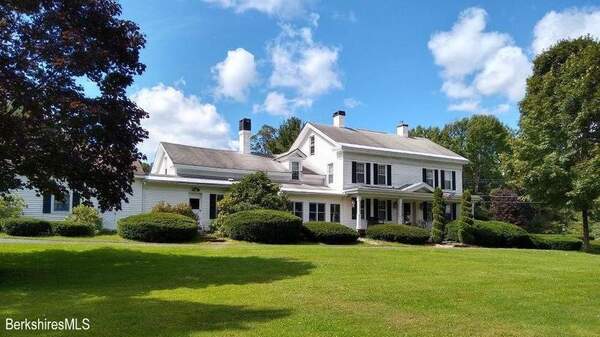
The second lawsuit followed the Zoning Board's February decision to uphold a cease-and-desist order against Second Drop Farm for short-term rentals. The board argued that, in the absence of specific bylaw regulations, such rentals are not permitted.
Both suits outline several points made by the applicants during their respective meetings.
Lanesborough Local Country Store's lawsuit was filed on behalf of Kurt Hospot, as trustee of Normal K Trust, and store owner Tyler Purdy by attorney Anthony Doyle.
It demands that the board's decision be overturned and that they be allowed to have the advertisement attached to the motor vehicle at its current location.
For the last five years, the truck has been a familiar sight parked on the grass near the store, at local events and parades, and serving ice cream at summer gatherings. The sign is mounted in the truck's bed.
The lawsuit argues that the business's sign is permitted because the town bylaws have exceptions to the definition of a sign, including signs painted on or attached to fully registered motor vehicles.
"The decision of the Zoning Board of Appeals was arbitrary, capricious and not in compliance with the plain meaning of the bylaw," the suit says.
Second Drop Farm's lawsuit was filed on behalf of Patrick Elliott, Mary Elliott, and Dan Elliott by attorney Elisabeth Goodman, of Donovan O'Connor & Dodig.
The 69-page lawsuit, including exhibits, argues that the board's decision was arbitrary, capricious, outside the board's authority, and is evidence of selective enforcement by the town.
The suit argues that, as a "Right to Farm Community," the town allows Second Drop Farm's short-term rentals because the definition of farming includes "conducting agriculture-related educational and farm-based recreational activities, including agritourism, provided that the activities are related to marketing the agricultural output or services of the farm."
The short-term rentals are incidental to the farming operations and therefore permitted by state law, Goodman claimed.
Although the town does not have regulations over short-term rentals, its bylaws do define them and collect taxes and fees on them, suggesting they are allowed in business districts. Second Drop Farm is in a business district.
The bylaws define short-term rentals as an "occupied property that is not a hotel, motel, boardinghouse, or bed-and-breakfast establishment, where at least one room or unit is rented out by an operator through the use of advance reservations.
"A short-term rental includes an apartment, house, cottage, and condominium. It does not include property that is rented out through tenancies at will or month-to-month leases. It also does not include time-share property or bed-and-breakfast homes."
Additionally, the suit highlights how the town does collect taxes and fees on short-term rentals and that there are 50 short-term rentals operating in town.
Finally, the notice for the cease and desist was incorrectly served to Samantha Phillips, who is not an owner, and the building inspector did not serve the order to any of the listed owners, the suit says.
Tags: ZBA, lawsuit,